
Bolivia Sees 630% Surge in Crypto Transactions Amid Economic Crisis
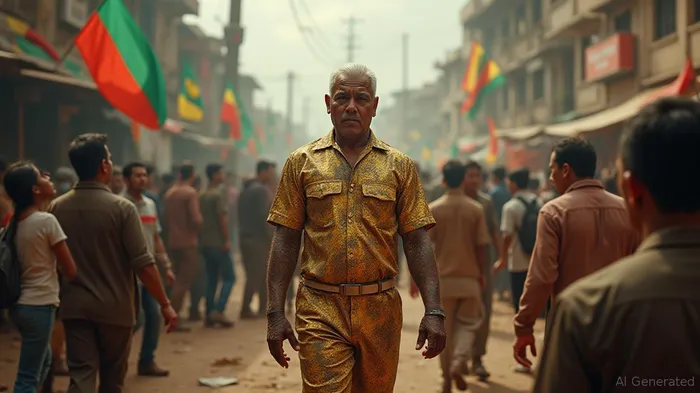
In the bustling shopping district of Cochabamba, Bolivia, a silent financial revolution is taking place. Amidst severe economic instability, Bolivians are increasingly turning to cryptocurrencies as a practical lifeline. The country's dollar reserves are nearly depleted, inflation has surged to levels not seen in forty years, and fuel shortages have caused long queues at stations. As a result, trust in traditional financial systems is breaking down. The government is still supporting the official exchange rate, but the local currency has lost nearly 50% of its value this year alone.
This economic turmoil has led to a significant surge in crypto adoption. Everyday transactions are now increasingly being conducted in digital assets. Whether at beauty salons offering Bitcoin discounts or street vendors accepting crypto via Binance, crypto usage in the country has shot up significantly. This coincides with a recent move in Bolivia, where stablecoins, especially Tether’s USDT, are becoming embedded in everyday commerce. From electronics and sunglasses to everyday treats like Cadbury and Milka chocolates, many local shops now price their goods in USDT. This signals a significant behavioral shift among consumers.
The growing reliance on digital assets reflects deeper economic instability, a desire for more stable stores of value, and the potential of crypto to solve the problems created by centralized systems that are susceptible to corruption. The data backs it up. According to Bolivia’s central bank, domestic crypto transactions hit $430 million in the past year. That marks a staggering 630% increase. As of the 31st of May 2025, over 10,000 official transactions were recorded. These totaled BOB 611 million—approximately $88 million. Most were initiated by individuals, especially men. These numbers only reflect activity through channels registered with ASFI, the national financial authority. They exclude peer-to-peer trades, which likely raise the real usage even further. This explosive growth shows that crypto, especially stablecoins, is becoming central to Bolivia’s evolving financial landscape.
Bolivia’s example reflects a broader movement that is emerging across the globe, with many other nations embracing similar strategies. This highlights a growing international recognition of blockchain’s potential to fill systemic financial gaps and offer resilient alternatives in times of economic distress.

Stay ahead of the market.
Get curated U.S. market news, insights and key dates delivered to your inbox.


AInvest
PRO
AInvest
PRO



Comments
No comments yet