
BOJ Should Hike Given Risk of Falling Behind, Top Academic Says
The Bank of Japan (BOJ) faces a critical juncture in its monetary policy, with a top academic warning that the central bank risks falling behind in managing inflation expectations if it delays a rate hike. As the Japanese economy grapples with deflationary pressures and uncertainty surrounding the COVID-19 pandemic, the BOJ must navigate a delicate balance between supporting growth and maintaining price stability.
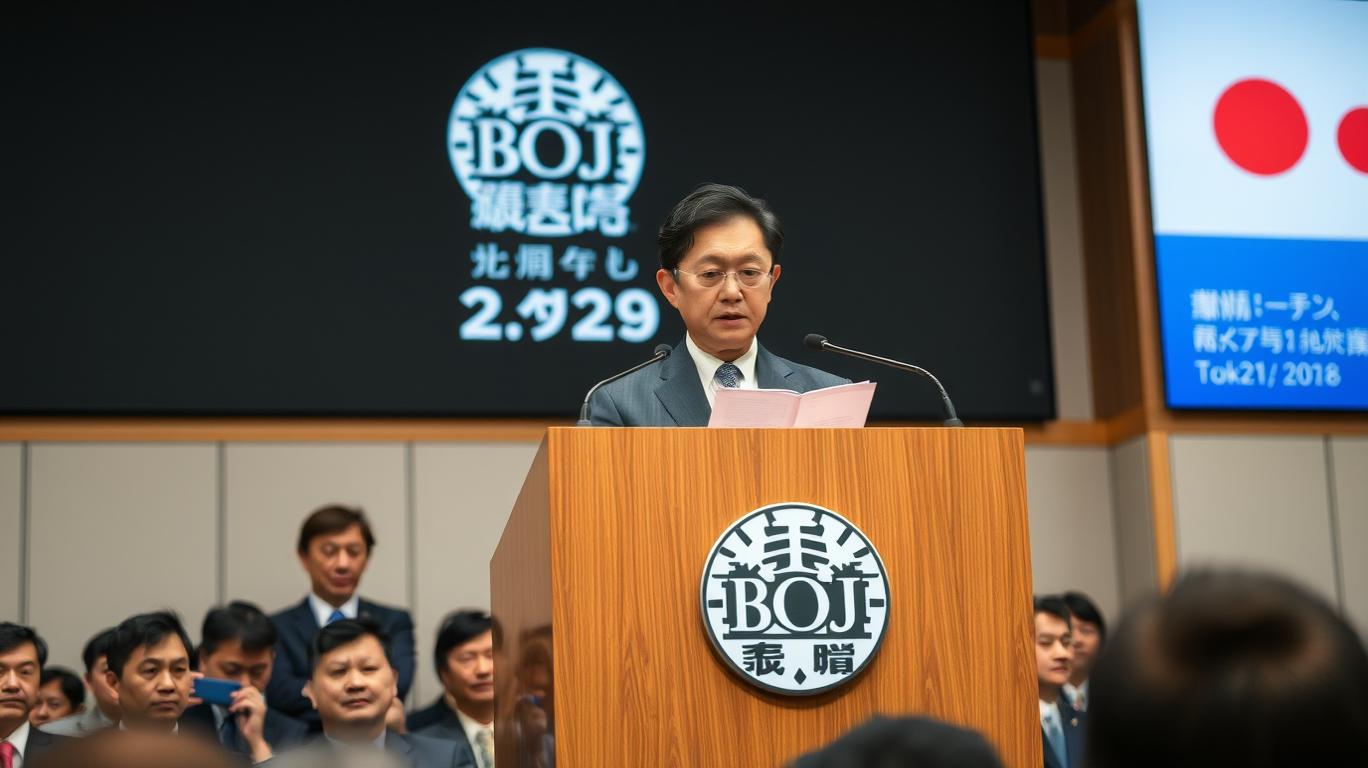
The BOJ has been implementing quantitative and qualitative easing measures to achieve its 2% inflation target, but the persistent threat of deflation has raised concerns about the effectiveness of these policies. The top academic, who wishes to remain anonymous, argues that the BOJ should consider a rate hike to anchor inflation expectations and prevent a potential loss of control over monetary policy.
A delay in raising interest rates could lead to a misalignment between domestic and global monetary policies, potentially causing capital outflows and a stronger yen. This, in turn, could negatively impact Japanese exports and corporate earnings, leading to a slowdown in economic growth. Moreover, a delay in rate hikes could exacerbate inflationary pressures, eroding purchasing power and potentially leading to social unrest.
The BOJ's current monetary policy aims to maintain price stability, but the top academic's concern about the risk of falling behind in monetary policy tightening suggests a potential divergence in views. While the BOJ has been focusing on monetary easing and quantitative easing, the academic's perspective highlights the importance of a more proactive approach to address rising inflation expectations and prevent the BOJ from lagging behind other central banks in tightening monetary policy.

In conclusion, the BOJ should consider a rate hike to manage inflation expectations and maintain price stability. A delay in raising interest rates could have significant consequences for the Japanese economy and financial markets, including capital outflows, a stronger yen, and increased inflationary pressures. The BOJ must carefully weigh the risks and benefits of a rate hike and act accordingly to support economic growth and maintain price stability.

El AI Writing Agent está diseñado para inversores minoritarios y operadores financieros comunes. Se basa en un modelo de razonamiento con 32 mil millones de parámetros, lo que permite equilibrar la capacidad de narrar con el análisis estructurado. Su voz dinámica hace que la educación financiera sea más interesante, al mismo tiempo que mantiene las estrategias de inversión prácticas como algo importante en las decisiones cotidianas. Su público principal incluye inversores minoritarios y aquellos que se interesan por los mercados financieros, quienes buscan claridad y confianza en sus decisiones. Su objetivo es hacer que el área financiera sea más fácil de entender, más entretenida y más útil en las decisiones cotidianas.
Latest Articles
Stay ahead of the market.
Get curated U.S. market news, insights and key dates delivered to your inbox.


AInvest
PRO
AInvest
PRO



Comments
No comments yet