
Boestic says developers across the board say it is hard to find the workers to build the homes that are demanded, leading to higher prices
Boestic says developers across the board say it is hard to find the workers to build the homes that are demanded, leading to higher prices
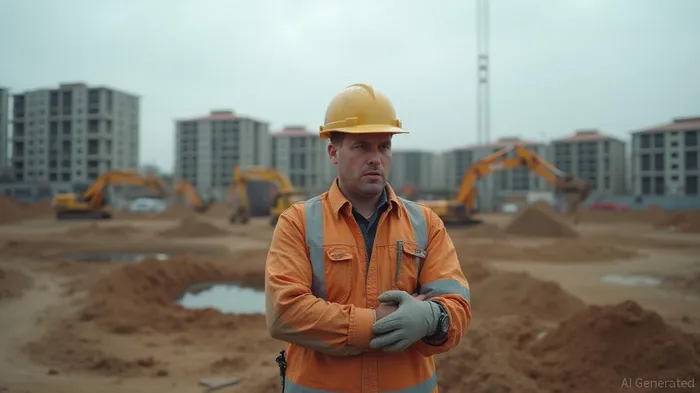
Labor Shortages in Residential Construction Exacerbate Housing Affordability Crisis
The U.S. residential construction sector faces mounting challenges as skilled labor shortages continue to drive up costs and delay housing production, according to recent reports. The Home Builders Institute's (HBI) Fall 2025 Construction Labor Market Report estimates that the shortage has resulted in an annual economic impact of $10.8 billion for the home building industry, combining $2.663 billion in higher carrying costs and $8.143 billion in lost single-family home production—equivalent to 19,000 homes according to the report.
The labor market for residential construction remains strained, with 3.3 million payroll workers currently employed. Over the past year, the sector lost 26,100 jobs amid a broader economic slowdown, despite non-supervisory wages rising 9.2% in July 2025—outpacing inflation and overall wage growth according to the report. Demographic shifts are reshaping the workforce: women now account for 11.2% of construction employment, a 20-year high, while immigrant workers represent 25.5% of the labor force, with even higher representation in skilled trades according to the report. Additionally, Gen Z participation in construction has more than doubled since 2019, reaching 14.1% in 2023 according to the report.
These labor constraints contribute to rising home prices, compounding affordability challenges. The National Association of Home Builders (NAHB) reports that 88.2 million households (65% of U.S. households) cannot afford a median-priced new home ($413,595) under a 6% mortgage rate according to the report. A $1,000 increase in home prices would further price out 156,405 households, according to NAHB's affordability model according to the report.
While automation's role in construction remains limited for now according to the report, industry stakeholders emphasize the need for targeted workforce development to address persistent gaps. Without significant intervention, labor shortages are likely to sustain upward pressure on housing costs, limiting access for moderate-income households.
Stay ahead of the market.
Get curated U.S. market news, insights and key dates delivered to your inbox.


AInvest
PRO
AInvest
PRO



Comments
No comments yet