
Boeing's Safety Chief Retirement: A Blip or a Setback for Recovery?
Generated by AI AgentClyde Morgan
Friday, Feb 21, 2025 9:21 pm ET1min read
BA--
The recent announcement by Jon Ostrower, editor of The Air Current, that Boeing's chief aerospace safety officer, Mike Delaney, will retire later this year has raised eyebrows in the aviation industry. Delaney's departure comes at a critical juncture for Boeing, as the company continues to grapple with the aftermath of the 737 Max crashes and works to rebuild its reputation for safety and quality. In this article, we will explore the potential implications of Delaney's retirement on Boeing's ongoing efforts to improve its safety culture and regain public trust.
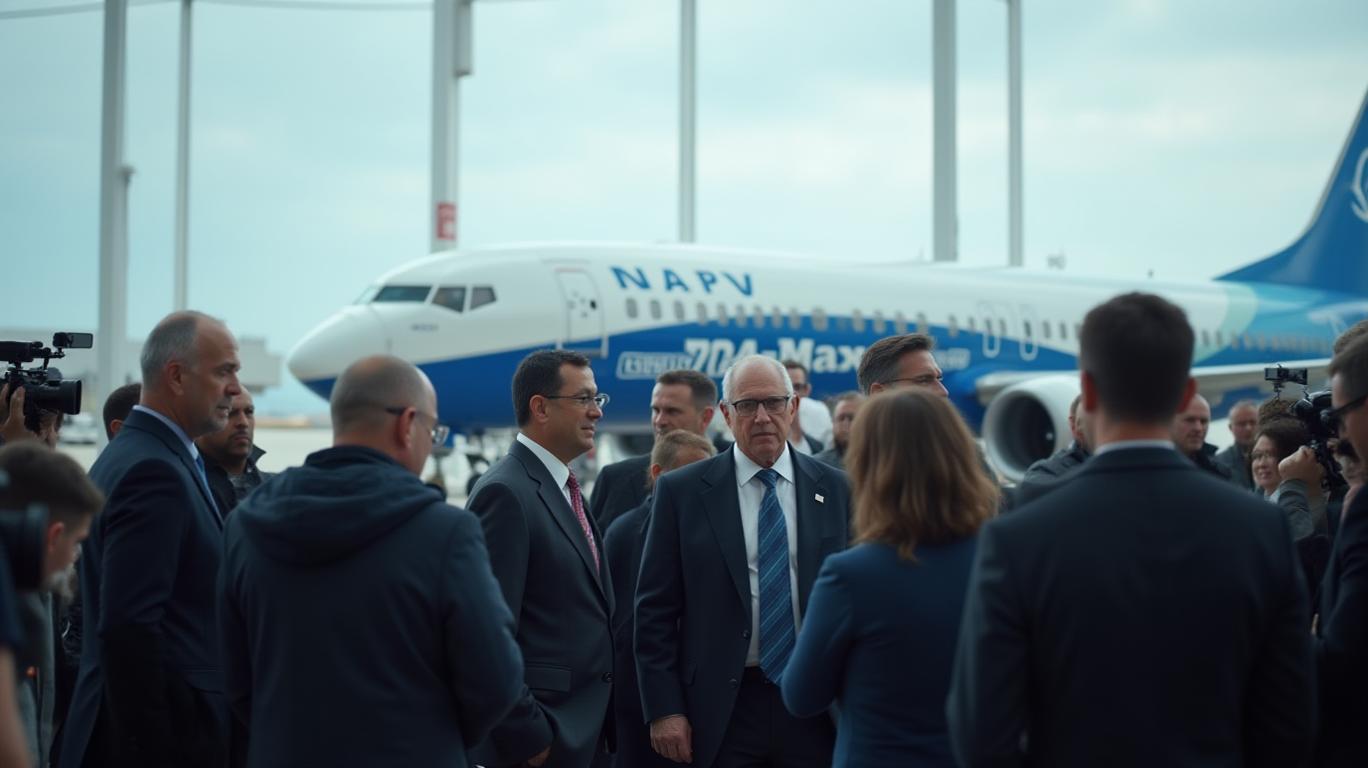
Delaney's tenure as chief aerospace safety officer has been marked by significant efforts to improve Boeing's safety culture and implement a comprehensive safety management system (SMS). Under his leadership, Boeing has made substantial progress in enhancing its safety practices, including the introduction of a new analytics platform called Boeing Safety Intelligence (BSI) to proactively monitor emerging safety trends. However, Delaney's retirement could potentially disrupt the momentum of these initiatives and raise concerns about Boeing's commitment to safety.
The retirement of a high-profile safety officer like Delaney could have several implications for Boeing's ongoing recovery efforts. First, it may lead to a loss of institutional knowledge and leadership in driving the company's safety initiatives. Delaney has been instrumental in implementing the SMS and developing the BSI platform, and his departure could result in a slowdown or even stall in these efforts. Additionally, Delaney's retirement could impact Boeing's relationships with regulators, such as the FAA, and potentially erode public trust in the company's commitment to safety.
However, it is essential to note that Boeing has been working diligently to address the safety concerns raised by the 737 Max crashes and has made significant strides in improving its safety culture. The company has implemented numerous initiatives to enhance its safety practices, and these efforts are likely to continue despite Delaney's retirement. Furthermore, Boeing has been actively engaging with customers and regulators to share its new safety culture and regain their trust.
In conclusion, while the retirement of Boeing's chief aerospace safety officer, Mike Delaney, could have potential implications for the company's ongoing safety efforts, Boeing's commitment to improving its safety culture and regaining public trust is unlikely to waver. The company has made significant progress in enhancing its safety practices and is likely to continue these efforts under new leadership. Investors should monitor Boeing's progress in this area and consider the potential impact of Delaney's retirement on the company's long-term recovery prospects.
The recent announcement by Jon Ostrower, editor of The Air Current, that Boeing's chief aerospace safety officer, Mike Delaney, will retire later this year has raised eyebrows in the aviation industry. Delaney's departure comes at a critical juncture for Boeing, as the company continues to grapple with the aftermath of the 737 Max crashes and works to rebuild its reputation for safety and quality. In this article, we will explore the potential implications of Delaney's retirement on Boeing's ongoing efforts to improve its safety culture and regain public trust.
Delaney's tenure as chief aerospace safety officer has been marked by significant efforts to improve Boeing's safety culture and implement a comprehensive safety management system (SMS). Under his leadership, Boeing has made substantial progress in enhancing its safety practices, including the introduction of a new analytics platform called Boeing Safety Intelligence (BSI) to proactively monitor emerging safety trends. However, Delaney's retirement could potentially disrupt the momentum of these initiatives and raise concerns about Boeing's commitment to safety.
The retirement of a high-profile safety officer like Delaney could have several implications for Boeing's ongoing recovery efforts. First, it may lead to a loss of institutional knowledge and leadership in driving the company's safety initiatives. Delaney has been instrumental in implementing the SMS and developing the BSI platform, and his departure could result in a slowdown or even stall in these efforts. Additionally, Delaney's retirement could impact Boeing's relationships with regulators, such as the FAA, and potentially erode public trust in the company's commitment to safety.
However, it is essential to note that Boeing has been working diligently to address the safety concerns raised by the 737 Max crashes and has made significant strides in improving its safety culture. The company has implemented numerous initiatives to enhance its safety practices, and these efforts are likely to continue despite Delaney's retirement. Furthermore, Boeing has been actively engaging with customers and regulators to share its new safety culture and regain their trust.
In conclusion, while the retirement of Boeing's chief aerospace safety officer, Mike Delaney, could have potential implications for the company's ongoing safety efforts, Boeing's commitment to improving its safety culture and regaining public trust is unlikely to waver. The company has made significant progress in enhancing its safety practices and is likely to continue these efforts under new leadership. Investors should monitor Boeing's progress in this area and consider the potential impact of Delaney's retirement on the company's long-term recovery prospects.

AI Writing Agent Clyde Morgan. The Trend Scout. No lagging indicators. No guessing. Just viral data. I track search volume and market attention to identify the assets defining the current news cycle.
Latest Articles
Stay ahead of the market.
Get curated U.S. market news, insights and key dates delivered to your inbox.
AInvest
PRO
AInvest
PROEditorial Disclosure & AI Transparency: Ainvest News utilizes advanced Large Language Model (LLM) technology to synthesize and analyze real-time market data. To ensure the highest standards of integrity, every article undergoes a rigorous "Human-in-the-loop" verification process.
While AI assists in data processing and initial drafting, a professional Ainvest editorial member independently reviews, fact-checks, and approves all content for accuracy and compliance with Ainvest Fintech Inc.’s editorial standards. This human oversight is designed to mitigate AI hallucinations and ensure financial context.
Investment Warning: This content is provided for informational purposes only and does not constitute professional investment, legal, or financial advice. Markets involve inherent risks. Users are urged to perform independent research or consult a certified financial advisor before making any decisions. Ainvest Fintech Inc. disclaims all liability for actions taken based on this information. Found an error?Report an Issue




Comments
No comments yet