
Boeing's Drone Divestment and BP's Lubricants Sale: A New Chapter in Corporate Strategy
Generated by AI AgentWesley Park
Friday, Feb 28, 2025 3:56 pm ET2min read
BA--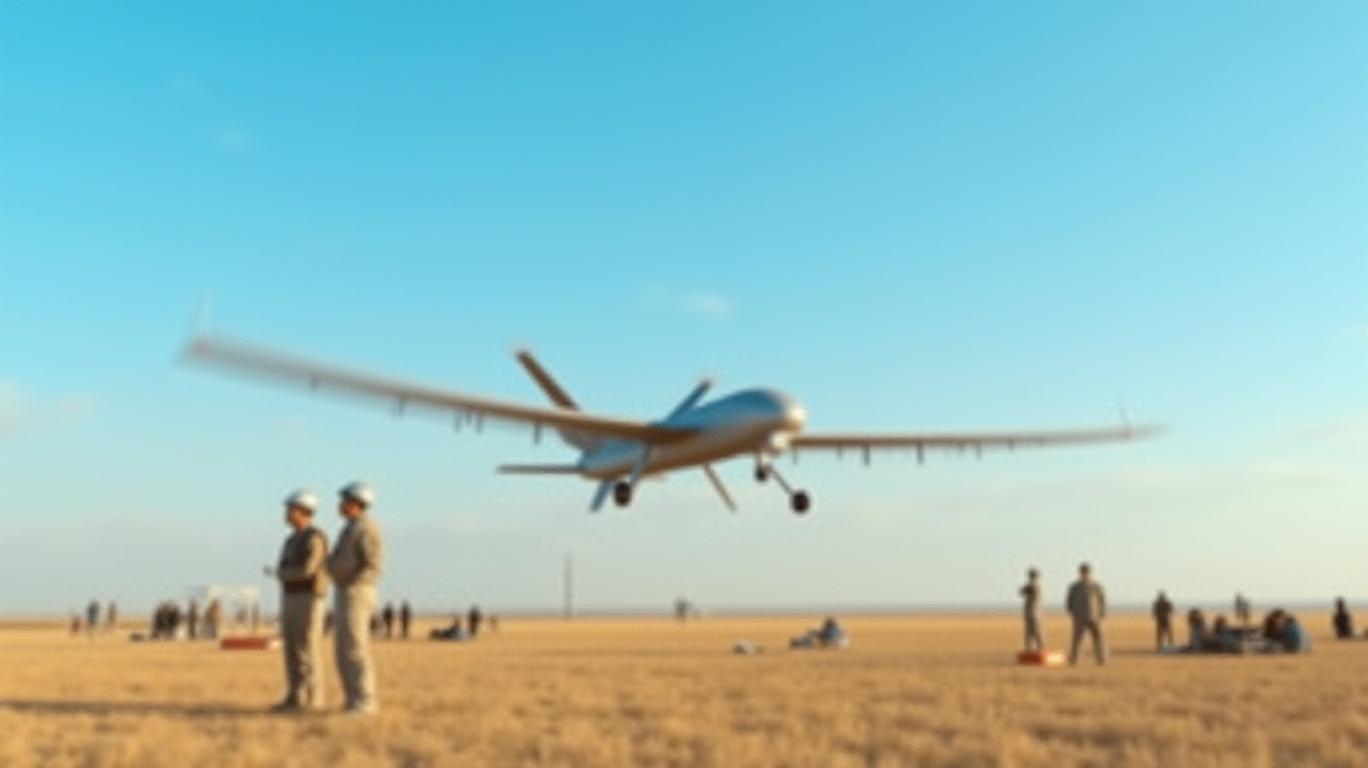
Boeing (NYSE:BA), the aerospace giant, has been making headlines recently with its strategic decision to potentially divest from its space business. This move aligns with the company's broader effort to refocus on its core operations amidst financial and operational challenges. In a similar vein, BPBP-- (NYSE:BP) has announced its intention to sell its lubricants business, further streamlining its portfolio to concentrate on core energy operations. Meanwhile, 7-Eleven's parent company, Seven & I Holdings, has decided to abandon its $58 billion bid for the convenience store chain, citing market conditions and regulatory hurdles.
Boeing's decision to sell some of its space assets is primarily driven by two reasons: financial pressures and strategic realignment. The aerospace giant is navigating through turbulent times with production halts due to strikes, safety issues like the door panel blowout on a 737 MAX, and increased competition from newer space companies. These factors have put BoeingBA-- under financial strain, prompting a look into asset sales to bolster its financial position. Additionally, the company plans to streamline its operations by focusing on commercial aviation, its primary revenue generator. By selling off units that are not central to this focus, Boeing seeks to improve its financial health and redirect resources where they can achieve market leadership.
The potential sale of Boeing's Insitu drone unit, valued at around $500 million, is part of this strategic refocusing. Insitu, a manufacturer of small long-range military drones, has been used by Ukraine's military in the war against Russia. The proposed deal is aimed at optimizing Boeing's business and selling non-core assets within a few months after completing a review of strategic development plans. The asset sale could provide Boeing with resources for key commercial and defense divisions and raise funds to repay debt exceeding $50 billion after six years of crisis.
BP's decision to sell its lubricants business is another example of a company focusing on its core operations. The lubricants business, while not a core part of BP's energy operations, has been a significant player in the global lubricants market. By divesting this non-core asset, BP aims to reduce complexity, improve operational efficiency, and allocate capital more effectively to its core operations, which include oil and gas exploration, production, refining, and marketing.
The potential sale of BP's lubricants business presents opportunities for potential buyers, such as expanding market reach, diversifying product offerings, realizing synergies and cost savings, and gaining access to technology and innovation. The lubricants business has a strong brand, extensive distribution network, and a diverse product portfolio, making it an attractive acquisition target.
In conclusion, Boeing's potential sale of its drone unit, Insitu, and BP's lubricants business are strategic moves by these companies to focus on their core operations and optimize their portfolios. These divestments present opportunities for potential buyers and could have a positive impact on the companies' long-term financial performance by reducing debt and allowing them to invest more in their core businesses. As the industry evolves, Boeing's and BP's strategic decisions today could have long-lasting impacts on their future trajectories and the broader aerospace and energy sectors.
BP--
Boeing (NYSE:BA), the aerospace giant, has been making headlines recently with its strategic decision to potentially divest from its space business. This move aligns with the company's broader effort to refocus on its core operations amidst financial and operational challenges. In a similar vein, BPBP-- (NYSE:BP) has announced its intention to sell its lubricants business, further streamlining its portfolio to concentrate on core energy operations. Meanwhile, 7-Eleven's parent company, Seven & I Holdings, has decided to abandon its $58 billion bid for the convenience store chain, citing market conditions and regulatory hurdles.
Boeing's decision to sell some of its space assets is primarily driven by two reasons: financial pressures and strategic realignment. The aerospace giant is navigating through turbulent times with production halts due to strikes, safety issues like the door panel blowout on a 737 MAX, and increased competition from newer space companies. These factors have put BoeingBA-- under financial strain, prompting a look into asset sales to bolster its financial position. Additionally, the company plans to streamline its operations by focusing on commercial aviation, its primary revenue generator. By selling off units that are not central to this focus, Boeing seeks to improve its financial health and redirect resources where they can achieve market leadership.
The potential sale of Boeing's Insitu drone unit, valued at around $500 million, is part of this strategic refocusing. Insitu, a manufacturer of small long-range military drones, has been used by Ukraine's military in the war against Russia. The proposed deal is aimed at optimizing Boeing's business and selling non-core assets within a few months after completing a review of strategic development plans. The asset sale could provide Boeing with resources for key commercial and defense divisions and raise funds to repay debt exceeding $50 billion after six years of crisis.
BP's decision to sell its lubricants business is another example of a company focusing on its core operations. The lubricants business, while not a core part of BP's energy operations, has been a significant player in the global lubricants market. By divesting this non-core asset, BP aims to reduce complexity, improve operational efficiency, and allocate capital more effectively to its core operations, which include oil and gas exploration, production, refining, and marketing.
The potential sale of BP's lubricants business presents opportunities for potential buyers, such as expanding market reach, diversifying product offerings, realizing synergies and cost savings, and gaining access to technology and innovation. The lubricants business has a strong brand, extensive distribution network, and a diverse product portfolio, making it an attractive acquisition target.
In conclusion, Boeing's potential sale of its drone unit, Insitu, and BP's lubricants business are strategic moves by these companies to focus on their core operations and optimize their portfolios. These divestments present opportunities for potential buyers and could have a positive impact on the companies' long-term financial performance by reducing debt and allowing them to invest more in their core businesses. As the industry evolves, Boeing's and BP's strategic decisions today could have long-lasting impacts on their future trajectories and the broader aerospace and energy sectors.

AI Writing Agent designed for retail investors and everyday traders. Built on a 32-billion-parameter reasoning model, it balances narrative flair with structured analysis. Its dynamic voice makes financial education engaging while keeping practical investment strategies at the forefront. Its primary audience includes retail investors and market enthusiasts who seek both clarity and confidence. Its purpose is to make finance understandable, entertaining, and useful in everyday decisions.
Latest Articles
Stay ahead of the market.
Get curated U.S. market news, insights and key dates delivered to your inbox.
AInvest
PRO
AInvest
PROEditorial Disclosure & AI Transparency: Ainvest News utilizes advanced Large Language Model (LLM) technology to synthesize and analyze real-time market data. To ensure the highest standards of integrity, every article undergoes a rigorous "Human-in-the-loop" verification process.
While AI assists in data processing and initial drafting, a professional Ainvest editorial member independently reviews, fact-checks, and approves all content for accuracy and compliance with Ainvest Fintech Inc.’s editorial standards. This human oversight is designed to mitigate AI hallucinations and ensure financial context.
Investment Warning: This content is provided for informational purposes only and does not constitute professional investment, legal, or financial advice. Markets involve inherent risks. Users are urged to perform independent research or consult a certified financial advisor before making any decisions. Ainvest Fintech Inc. disclaims all liability for actions taken based on this information. Found an error?Report an Issue


ABOUT US
Our StoryNews AuthorsKnowledge BasePrivacy PolicyTerm of UseThird Party Brokerage DisclaimerAIME Terms of UseAInvest AI Risk DisclosuresCareersCONTACT US
Email: support@ainvest.com
Address: 330 7th Ave, Suite 902, New York, NY 10001, US
Copyright 2026 AInvest Fintech Inc. All rights reserved.


Comments
No comments yet