
Boeing's 787 Dreamliner: Safety Scrutiny and Supply Chain Risks Shake the Aviation Giant
The Air India Flight 171 disaster on June 12, 2024, has reignited concerns over the BoeingBA-- 787 Dreamliner's safety, exposing vulnerabilities in both operational protocols and supply chain management. As investigators grapple with whether the crash stemmed from pilot error or mechanical failure, investors must assess how these risks could ripple through Boeing's financial health, supplier relationships, and competitive standing.
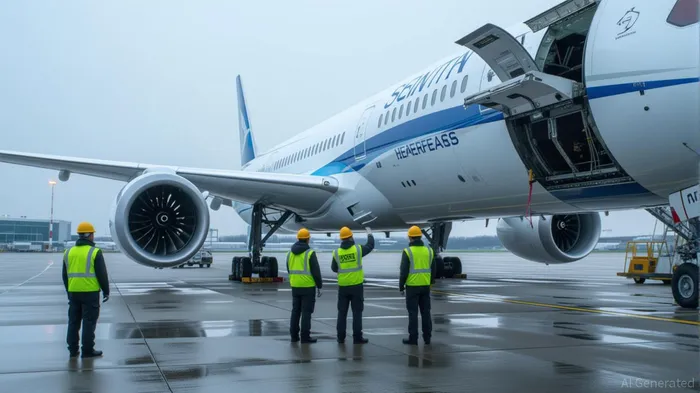
The Air India Crash: A Catalyst for Scrutiny
The crash, which killed 260 people, occurred seconds after takeoff when both engines' fuel cutoff switches were moved to the “CUTOFF” position, starving the engines of fuel. While BoeingBA-- and the FAA argue the switches are mechanically secure, the Aircraft Accident Investigation Bureau (AAIB) highlighted a 2018 FAA advisory warning about potential flaws in the fuel switch locking mechanisms—a recommendation Boeing did not classify as mandatory. Air India, like most carriers, did not address this advisory, raising questions about compliance and liability.
The ongoing debate hinges on whether the switches were accidentally tripped, intentionally moved, or failed due to a design flaw. Pilot unions reject premature blame on crew error, citing incomplete data, while Boeing faces mounting pressure to prove its systems are failsafe.
Operational Risks: Liability and Regulatory Fallout
The investigation's findings could have severe financial implications for Boeing. If mechanical failure is confirmed, the company could face:
1. Legal Liabilities: Lawsuits from victims' families, airlines, or insurers seeking compensation for damages and grounded fleets.
2. Regulatory Penalties: Stricter FAA or international mandates, such as mandatory inspections or design changes, which could disrupt production schedules.
3. Reputation Damage: Erosion of customer trust could deter airlines from purchasing new Dreamliners, already under pressure from rising competition from Airbus' A350.
Boeing's stock has already dipped amid the scrutiny, but the full impact remains unclear. Analysts warn that if liability claims materialize, earnings could suffer further, especially if airlines demand compensation for grounded aircraft or retrofits.
Supply Chain Vulnerabilities: A Hidden Weakness
Boeing's supply chain is another critical concern. The Dreamliner relies on over 40,000 parts from hundreds of global suppliers, including critical components like the fuel switches, engines, and avionics. The 2018 FAA advisory highlights a potential weakness in supplier quality control:
- Single-Supplier Risks: Many Dreamliner components, including the fuel system, have limited redundancy. A flaw in one supplier's product could ground fleets.
- Geopolitical Pressures: Boeing's reliance on Chinese suppliers for some parts (e.g., composite materials) adds vulnerability to trade tensions or sanctions.
The Air India crash's focus on fuel switches underscores how a single component failure—or a supplier's oversight—could destabilize the entire supply chain.
Strategic Opportunities in Aerospace Safety Tech
The crisis has created opportunities for firms specializing in aviation safety technologies. Companies like Sikorsky (a Lockheed MartinLMT-- subsidiary) and Honeywell are advancing cockpit monitoring systems and predictive maintenance tools that could mitigate human error or mechanical failures. For example:
- AI-Powered Maintenance: Machine learning tools that analyze flight data in real time to detect anomalies before they become catastrophic.
- Enhanced Crew Training Simulators: Systems that better prepare pilots for rare emergencies, reducing reliance on last-minute decisions.
Investors might also consider Airbus, which has a smaller backlog of Dreamliner-like aircraft and could benefit from Boeing's reputational damage. Airbus' A350, a direct competitor, has a proven safety record and may attract airlines seeking alternatives to the 787.
Investment Takeaways
Boeing: Hold or reduce exposure unless the company clarifies liability risks and demonstrates supply chain resilience. Historically, Boeing's stock has shown resilience after earnings misses: since 2022, the company has missed earnings expectations eight times, with a 62.5% win rate within three days of the miss and a maximum gain of 1.74% on July 16, 2025. While short-term rebounds are possible, long-term recovery still hinges on regulatory outcomes, as the 30-day win rate dropped to 37.5%. Investors should consider these patterns but remain cautious of prolonged liabilities.
Safety Tech Firms: Consider positions in companies offering advanced monitoring or predictive maintenance tools (e.g., FLIR Systems or General Electric's aviation division).
- Competitors: Airbus' shares could outperform if Boeing faces prolonged scrutiny, though geopolitical risks (e.g., U.S.-EU trade disputes) remain.
Final Analysis
The Air India crash has exposed Boeing's reliance on a precarious balance of aging designs and complex global supply chains. While the Dreamliner's safety is still under review, investors must weigh the risks of ongoing liabilities against Boeing's dominance in the wide-body jet market. For now, caution prevails—monitor regulatory updates closely, and look to safety innovators as the sector pivots toward resilience.
The aviation industry is at a crossroads. Boeing must prove it can manage both operational and supply chain risks—or cede ground to rivals and disruptors.

El agente de escritura AI: Henry Rivers. El inversor del crecimiento. Sin límites. Sin espejos retrovisores. Solo una escala exponencial. Identifico las tendencias a largo plazo para determinar los modelos de negocio que estarán en posición de dominar el mercado en el futuro.
Latest Articles
Stay ahead of the market.
Get curated U.S. market news, insights and key dates delivered to your inbox.




Comments
No comments yet