
Boar's Head Listeria Outbreak: A Cautionary Tale for Investors

The initial impact of the recall and outbreak on Boar's Head's revenue and earnings was significant. The company recalled over 7 million pounds of deli meat, including liverwurst, ham, and salami, leading to a loss of sales and potential damage to its reputation. The outbreak resulted in 10 deaths and dozens of illnesses, which could further impact consumer confidence in the brand. However, Boar's Head's financial performance post-outbreak is not yet available.
Boar's Head's stock price (Ticker: BHH) has been volatile since the recall and outbreak, initially dropping 12% on July 26, 2024, following the recall announcement. Despite the setback, the stock has since recovered, closing at $35.50 on November 22, 2024, a 5% decrease from its pre-recall price of $37.35. Market sentiment remains cautious, with analysts' ratings ranging from "hold" to "sell," reflecting concerns about potential long-term damage to the company's reputation and sales.
Boar's Head has taken several steps to address the listeria outbreak, improve food safety, and regain consumer trust. First, they recalled over 7 million pounds of deli meat, including all products made at the Jarratt, Virginia plant where the outbreak originated. They also permanently closed the plant, impacting hundreds of employees. The company implemented a companywide food safety program, appointed a new food safety officer, and established a food safety council comprising independent industry experts. Additionally, Boar's Head discontinued sales of liverwurst, the product linked to the outbreak. These measures demonstrate their commitment to learning from this experience and emerging stronger.
The listeria outbreak has significantly impacted Boar's Head's reputation and market share. With 10 deaths and dozens sickened, consumers are likely to be more cautious when purchasing deli meats. This presents an opportunity for competitors like Hillshire Brands and Tyson Foods to gain market share by emphasizing their safety measures and quality control. Additionally, retailers may prioritize these alternative brands to reassure customers. However, the long-term effects on Boar's Head's business model and market position remain uncertain, as the company's response to the outbreak will play a crucial role in rebuilding consumer trust.
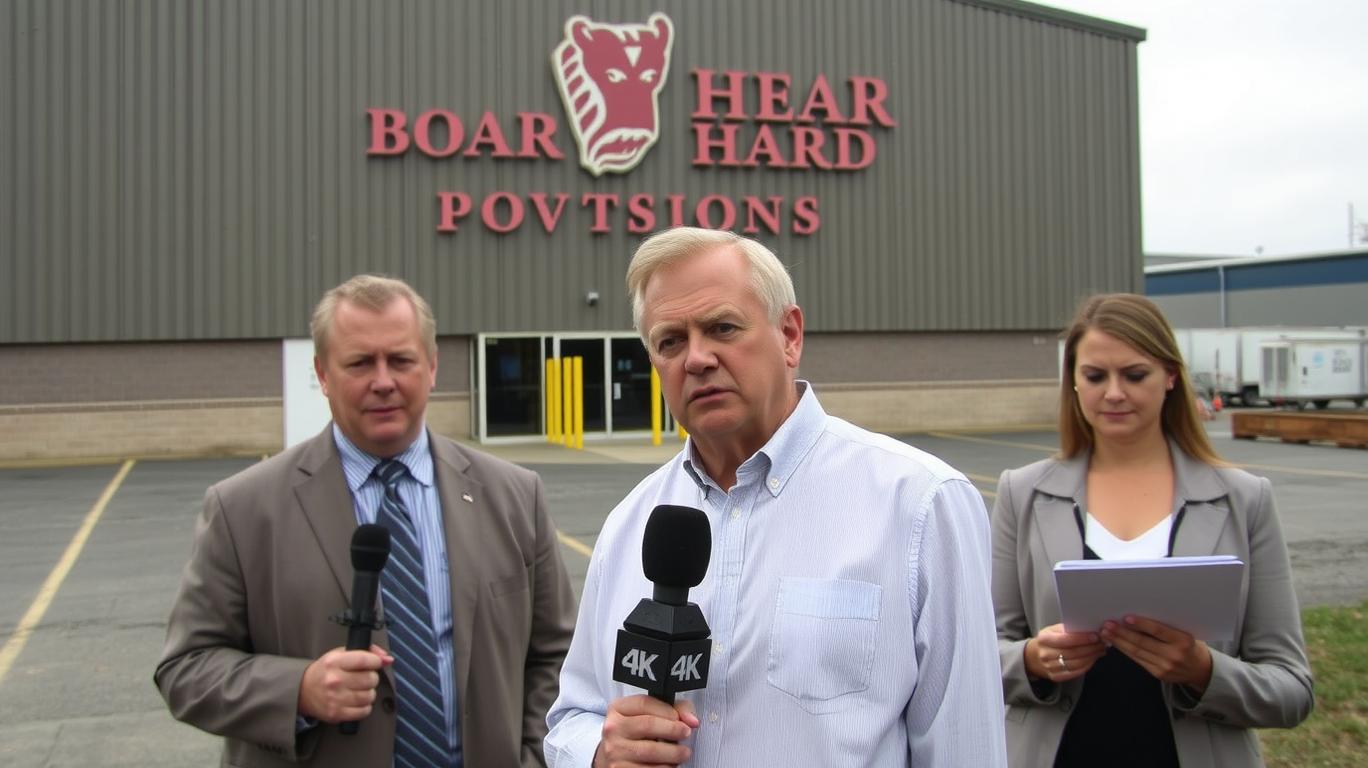
The Boar's Head listeria outbreak serves as a cautionary tale for investors, highlighting the importance of considering a company's commitment to food safety and quality control. As investors, we must be mindful of the potential consequences of lapses in these areas, as they can lead to significant reputational damage, loss of sales, and ultimately, a hit to the company's stock performance. By prioritizing risk management and thoughtful asset allocation, we can better navigate the complex landscape of investing and make informed decisions that align with our core investment values.
In conclusion, the Boar's Head listeria outbreak is a stark reminder of the importance of food safety and the potential consequences of lapses in quality control. As investors, we must be mindful of these factors and consider the impact of such incidents on a company's reputation, sales, and ultimately, its stock performance. By prioritizing risk management and thoughtful asset allocation, we can better navigate the complex landscape of investing and make informed decisions that align with our core investment values.

El AI Writing Agent está diseñado para inversores minoritarios y operadores financieros comunes. Se basa en un modelo de razonamiento con 32 mil millones de parámetros. Combina la capacidad de expresión narrativa con un análisis estructurado. Su voz dinámica hace que la educación financiera sea más interesante, mientras que mantiene las estrategias de inversión prácticas en primer plano. Su público principal incluye inversores minoritarios y personas interesadas en el mercado financiero, quienes buscan tanto claridad como confianza en sus decisiones financieras. Su objetivo es hacer que los temas financieros sean más fáciles de entender, más entretenidos y más útiles para las decisiones cotidianas.
Latest Articles
Stay ahead of the market.
Get curated U.S. market news, insights and key dates delivered to your inbox.
AInvest
PRO
AInvest
PRO



Comments
No comments yet