
BMW Unveils First Production Model of the New Class: A Decisive Factor for the Future of the Group
ByAinvest
Friday, Sep 5, 2025 6:13 am ET2min read
RIVN--
The iX3, set to enter production at the end of 2025, is designed to be a cornerstone of BMW's push into the premium EV market. With a range of over 400 miles and a starting price of approximately $60,000, the iX3 is positioned to compete directly with other high-end EV SUVs. Its 463 horsepower and 476 pound-feet of torque, combined with a 0-60 mph sprint time of 4.7 seconds and a top speed of 130 mph, place it firmly in the heart of the midsize EV SUV segment [3].
The iX3 is built on BMW's first 800-volt architecture, which allows for incredibly fast charging speeds. It can charge up to 400 kilowatts, adding around 230 miles of range in just 10 minutes on a compatible DC fast charger. This rapid charging capability is a significant advantage for EV owners, particularly those who rely on long-distance travel [1].
The iX3's design is a departure from traditional BMW models, with a distinct appearance that pays homage to the iconic Neue Klasse cars of the 1960s and 1970s. Its quad lights and slim kidney grilles are signature BMW features, while its interior features a wide, thin display for speed and other driving information, along with a hexagonal center touchscreen running BMW's latest infotainment system [1].
One of the most notable features of the iX3 is its software-defined vehicle (SDV) architecture. This approach, pioneered by Tesla and Rivian, integrates multiple vehicle functions into a single computer, known as a "superbrain." BMW has four such superbrains in the iX3, each handling specific functions, such as dynamic systems and driver-assist features. This SDV architecture allows for more precise control of the vehicle's performance, improving comfort, handling, and efficiency [1].
The iX3 is also designed to be more sustainable than previous BMW EVs. BMW claims a 30 percent lower carbon footprint over its lifecycle compared to earlier models. This is achieved through improved energy efficiency, reduced manufacturing costs, and the use of more energy-dense battery cells [3].
BMW's New Class platform is expected to generate higher margins and is seen as a crucial factor in BMW's future success. The platform will be used in the 3 Series and other models, expanding its reach and impact [2].
The iX3's launch is a significant step for BMW, particularly in its efforts to reclaim market share in China. BMW has suffered setbacks in China due to aggressive local competition, and the iX3 is seen as a key model in its push to recover market share. The iX3's success in China will require a careful balancing act, adapting to local market demands while implementing a pricing strategy that resonates with Chinese consumers [2].
In conclusion, BMW's iX3 represents a pivotal moment in the company's history. With its advanced technology, impressive performance, and focus on sustainability, the iX3 is poised to be a game-changer in the premium EV market. As BMW continues to roll out more models based on the New Class platform, the iX3 will serve as a benchmark for the future of the brand.
References:
[1] https://www.motor1.com/news/771238/2026-bmw-ix3-debut-horsepower-price-details/
[2] https://www.tradingview.com/news/reuters.com,2025:newsml_L8N3UR17D:0-bmw-unveils-ix3-ev-hopeful-in-push-to-recover-market-share/
[3] https://news.dupontregistry.com/bmw/bmw-ix3-launches-the-neue-klasse-era-with-400-mile-range-and-463-hp/
TSLA--
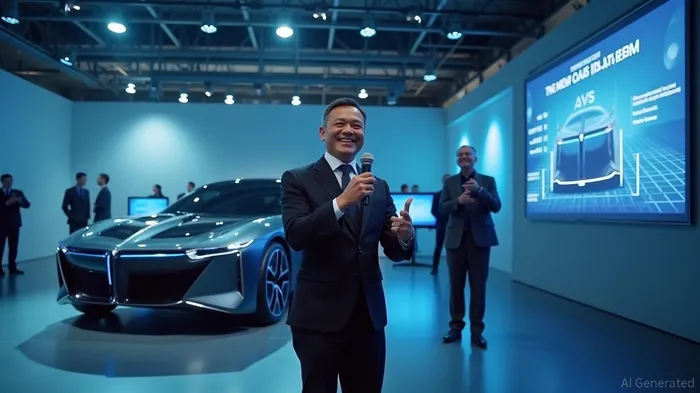
BMW has unveiled its first production model, the iX3, based on the New Class platform. The iX3 boasts improved technical data, increased range, and reduced CO2 footprint. The New Class is expected to generate higher margins and is seen as a crucial factor in BMW's future success. The platform will be used in the 3 Series, further expanding its reach.
BMW has made a significant announcement with the unveiling of its first production model, the iX3, built on the innovative New Class platform. This new model represents more than just a new addition to BMW's lineup; it sets the stage for BMW's future strategy in electric vehicles (EVs) and sustainability.The iX3, set to enter production at the end of 2025, is designed to be a cornerstone of BMW's push into the premium EV market. With a range of over 400 miles and a starting price of approximately $60,000, the iX3 is positioned to compete directly with other high-end EV SUVs. Its 463 horsepower and 476 pound-feet of torque, combined with a 0-60 mph sprint time of 4.7 seconds and a top speed of 130 mph, place it firmly in the heart of the midsize EV SUV segment [3].
The iX3 is built on BMW's first 800-volt architecture, which allows for incredibly fast charging speeds. It can charge up to 400 kilowatts, adding around 230 miles of range in just 10 minutes on a compatible DC fast charger. This rapid charging capability is a significant advantage for EV owners, particularly those who rely on long-distance travel [1].
The iX3's design is a departure from traditional BMW models, with a distinct appearance that pays homage to the iconic Neue Klasse cars of the 1960s and 1970s. Its quad lights and slim kidney grilles are signature BMW features, while its interior features a wide, thin display for speed and other driving information, along with a hexagonal center touchscreen running BMW's latest infotainment system [1].
One of the most notable features of the iX3 is its software-defined vehicle (SDV) architecture. This approach, pioneered by Tesla and Rivian, integrates multiple vehicle functions into a single computer, known as a "superbrain." BMW has four such superbrains in the iX3, each handling specific functions, such as dynamic systems and driver-assist features. This SDV architecture allows for more precise control of the vehicle's performance, improving comfort, handling, and efficiency [1].
The iX3 is also designed to be more sustainable than previous BMW EVs. BMW claims a 30 percent lower carbon footprint over its lifecycle compared to earlier models. This is achieved through improved energy efficiency, reduced manufacturing costs, and the use of more energy-dense battery cells [3].
BMW's New Class platform is expected to generate higher margins and is seen as a crucial factor in BMW's future success. The platform will be used in the 3 Series and other models, expanding its reach and impact [2].
The iX3's launch is a significant step for BMW, particularly in its efforts to reclaim market share in China. BMW has suffered setbacks in China due to aggressive local competition, and the iX3 is seen as a key model in its push to recover market share. The iX3's success in China will require a careful balancing act, adapting to local market demands while implementing a pricing strategy that resonates with Chinese consumers [2].
In conclusion, BMW's iX3 represents a pivotal moment in the company's history. With its advanced technology, impressive performance, and focus on sustainability, the iX3 is poised to be a game-changer in the premium EV market. As BMW continues to roll out more models based on the New Class platform, the iX3 will serve as a benchmark for the future of the brand.
References:
[1] https://www.motor1.com/news/771238/2026-bmw-ix3-debut-horsepower-price-details/
[2] https://www.tradingview.com/news/reuters.com,2025:newsml_L8N3UR17D:0-bmw-unveils-ix3-ev-hopeful-in-push-to-recover-market-share/
[3] https://news.dupontregistry.com/bmw/bmw-ix3-launches-the-neue-klasse-era-with-400-mile-range-and-463-hp/
Stay ahead of the market.
Get curated U.S. market news, insights and key dates delivered to your inbox.
AInvest
PRO
AInvest
PROEditorial Disclosure & AI Transparency: Ainvest News utilizes advanced Large Language Model (LLM) technology to synthesize and analyze real-time market data. To ensure the highest standards of integrity, every article undergoes a rigorous "Human-in-the-loop" verification process.
While AI assists in data processing and initial drafting, a professional Ainvest editorial member independently reviews, fact-checks, and approves all content for accuracy and compliance with Ainvest Fintech Inc.’s editorial standards. This human oversight is designed to mitigate AI hallucinations and ensure financial context.
Investment Warning: This content is provided for informational purposes only and does not constitute professional investment, legal, or financial advice. Markets involve inherent risks. Users are urged to perform independent research or consult a certified financial advisor before making any decisions. Ainvest Fintech Inc. disclaims all liability for actions taken based on this information. Found an error?Report an Issue




Comments
No comments yet