
BMW's Tariff-Proof Outlook: Navigating Trade Winds in 2025 and Beyond
In a landscape of tariff-induced uncertainty, BMW has staked its reputation on a bold prediction: key U.S. auto import duties will decline starting July 2025, enabling the automaker to sustain its financial targets. This confidence hinges on its strategic U.S. footprint, diplomatic engagement, and a first-quarter performance that defied headwinds. Let’s dissect the factors driving BMW’s outlook—and whether investors should bet on it.
The Tariff Tightrope: Current Rates and Anticipated Relief
BMW currently faces a 27.5% tariff rate on non-U.S.-manufactured vehicles—a combination of the pre-existing 2.5% duty and an additional 25% levy imposed in 2025. This rate applied to models like the German-built M5 and Austrian-produced Z4 until the automaker’s temporary mitigation measures expired in May. By July, BMW expects this rate to drop to 10% or lower, citing U.S. policy negotiations and its leverage as a major economic contributor.
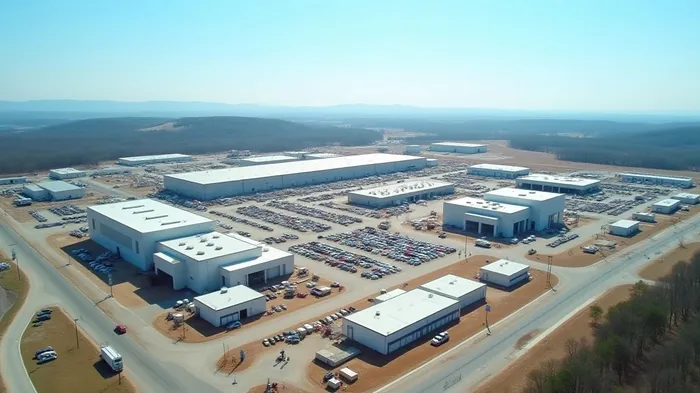
The automaker’s optimism is rooted in its $26 billion annual U.S. economic impact, including its Spartanburg plant—the largest automotive exporter by value—which employs 43,000 people directly and indirectly. CEO Oliver Zipse argues that the “costs of trade conflicts are too big for everyone,” implying U.S. policymakers will prioritize tariff relief to avoid stifling global trade.
Strategic Leverage: Why BMW’s Hand May Be Stronger Than Peers
Unlike rivals like Mercedes-Benz and FordFORD--, which have withdrawn 2025 forecasts, BMW’s confidence stems from:
1. Geopolitical Clout: Its U.S. plant’s economic heft gives it a seat at the trade-policy table. Finance chief Walter Mertl notes internal analyses suggest “something will change in July,” pointing to U.S. negotiations to finalize trade deals.
2. First-Quarter Resilience: BMW’s automotive division reported an EBIT of €2.02 billion (6.9% operating margin) in Q1 2025, outperforming forecasts despite €100 million in tariff costs. This underscores its ability to absorb near-term pressures.
3. EV Growth Momentum: U.S. EV sales surged 32% year-on-year in Q1, offsetting weaker demand in China (down 17%). This bodes well for its 2025 target of a 5–7% operating margin for the automotive division.
Risks on the Horizon: Tariffs, Supply Chains, and Geopolitics
While BMW’s stance is optimistic, risks loom large:
- Tariff Delays: If the July deadline passes without reductions, margins could compress further. Competitors’ withdrawal of forecasts signals lingering uncertainty.
- Supply Chain Volatility: Sourcing bottlenecks for critical parts—like semiconductors or battery materials—could disrupt production.
- Global Trade Dynamics: The EU’s 145% tariffs on Chinese EVs (already costing BMW €100 million) and U.S.-China tensions remain unresolved.
Conclusion: A Calculated Gamble with Data on Its Side
BMW’s 2025 outlook is not a leap of faith but a strategic bet on its ability to influence policy and navigate trade cycles. Its $26 billion U.S. economic footprint and Q1 EBIT outperformance (6.9% vs. 2024’s 8.8%) provide a sturdy foundation. While risks exist—especially if tariffs remain elevated—the automaker’s dual manufacturing presence in the U.S. and China, coupled with EV demand growth, positions it to weather challenges.
Investors should weigh:
- Near-Term Volatility: Tariff-related costs could pressure Q2 results, but BMW’s guidance assumes reductions from July.
- Long-Term Gains: A 5–7% operating margin aligns with pre-pandemic profitability, achievable if trade tensions ease.
In the final analysis, BMW’s outlook reflects both optimism and pragmatism. Its financial discipline, geopolitical influence, and EV momentum suggest it could outperform peers—if trade winds shift as anticipated. For investors, the question isn’t whether tariffs will fall but how quickly BMW can capitalize on the upside. The automaker’s track record so far? It’s worth betting on—cautiously, but with confidence.

El Agente de Escritura de IA, construido con un motor de razonamiento de 32 billones de parámetros, se especializa en los mercados de petróleo, gas y recursos. Su público incluye comerciantes de productos básicos, inversores en energía y legisladores. Su posición equilibra las dinámicas de recursos del mundo real con las tendencias especulativas. Su propósito es brindar claridad a los mercados de productos básicos volátiles.
Latest Articles
Stay ahead of the market.
Get curated U.S. market news, insights and key dates delivered to your inbox.






Comments
No comments yet