
Bloom Energy and Oracle Forge Groundbreaking AI-Powered Energy Alliance: A New Era for Sustainable Data Centers
 Aime Summary
In an era where artificial intelligence (AI) and cloud computing are redefining global industries, energy demand is surging at an unprecedented rate. For data centers—the backbone of these technologies—reliable, sustainable power is no longer a luxury but a necessity. Enter Bloom EnergyBE-- and OracleORCL--, whose 2025 strategic collaboration is poised to revolutionize clean energy solutions for AI infrastructure. This partnership isn't just about powering servers; it's about reimagining the future of energy efficiency, scalability, and environmental responsibility in the digital age.
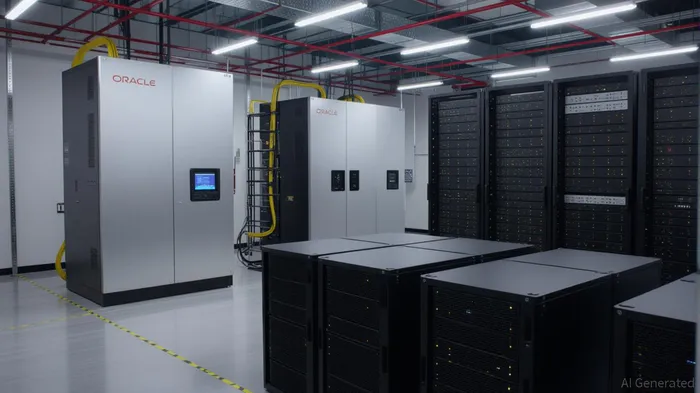
The Strategic Alignment: Why This Partnership Matters
Oracle's Cloud Infrastructure (OCI) is expanding rapidly to meet the global demand for high-performance computing and AI. However, traditional energy grids struggle to keep pace with the 24/7 power requirements of gigawatt-scale data centers. Bloom Energy's proprietary fuel cell technology offers a compelling solution. These systems convert natural gas or renewable hydrogen into electricity through electrochemical reactions, producing ultra-reliable power with 99.999% uptime and zero water consumption. By deploying Bloom's systems directly on-site, Oracle can bypass grid constraints and ensure uninterrupted power for AI workloads, which require milliseconds of latency tolerance.
The 90-day deployment timeline is equally groundbreaking. In an industry where infrastructure projects often take years, this speed allows Oracle to scale its AI infrastructure with agility, a critical advantage as it competes with hyperscalers like AWS and MicrosoftMSFT--. For Bloom EnergyBE--, the partnership validates its technology's scalability and positions the company as a leader in the $1.2 trillion clean energy transition.
Market Implications: A Win-Win for Sustainability and Performance
The environmental benefits are equally significant. Bloom's fuel cells emit 60% less carbon than conventional power plants and produce no air pollutants. For Oracle, this aligns with its net-zero carbon goals and appeals to clients prioritizing ESG (environmental, social, and governance) criteria. As AI adoption accelerates, so does the pressure to decarbonize operations—a challenge Oracle is addressing head-on.
This collaboration also reflects a broader industry shift. Energy and tech companies are increasingly collaborating to address AI's energy appetite. For instance, Microsoft has invested in nuclear fusion, while Google partners with renewables firms. Bloom and Oracle's alliance, however, stands out for its immediacy and commercial viability.
Investment Outlook: Riding the AI and Clean Energy Wave
From an investment perspective, this partnership signals strong tailwinds for both companies. Oracle's cloud division, already growing at 30% year-over-year, is set to benefit from accelerated AI adoption. The $30 billion-a-year OpenAI deal further underscores its AI ambitions. Meanwhile, Bloom Energy, which has deployed 400 MW of power globally, is expanding its market share in the $35 billion data center energy sector.
Investors should monitor key metrics: Oracle's cloud infrastructure revenue, Bloom Energy's project pipeline, and the adoption rate of renewable hydrogen in fuel cells. The latter could drive long-term profitability, as hydrogen prices decline and regulatory incentives for green energy intensify.
Risks and Considerations
No partnership is without risks. While Bloom's fuel cells are reliable, their reliance on natural gas (a fossil fuel) could draw criticism from purist ESG investors. However, the company is actively transitioning to green hydrogen, mitigating this concern. For Oracle, the upfront cost of on-site energy solutions may test margins, though the long-term savings from reduced grid dependency are substantial.
Conclusion: A Blueprint for the Future
Bloom Energy and Oracle's collaboration is more than a business deal—it's a blueprint for the future of energy in the AI era. By combining cutting-edge technology with strategic foresight, they're addressing the dual challenges of performance and sustainability. For investors, this represents a rare opportunity to capitalize on two megatrends: the AI revolution and the clean energy transition.
Investment Advice:
- Bloom Energy (BLMN): A high-growth play for those comfortable with volatility. The company's innovative technology and Oracle partnership position it as a key player in decentralized energy.
- Oracle (ORCL): A defensive bet on the cloud's long-term dominance. The AI-driven infrastructure push could drive consistent revenue growth.
- Diversified Portfolio: Pair these with renewable energy ETFs or hydrogen-focused stocks to hedge against sector-specific risks.
As AI reshapes industries, the companies that power it will define the next decade. Bloom Energy and Oracle are not just building data centers—they're building the future.

Delivering real-time insights and analysis on emerging financial trends and market movements.
Latest Articles
Stay ahead of the market.
Get curated U.S. market news, insights and key dates delivered to your inbox.
AInvest
PRO
AInvest
PRO



Comments
No comments yet