
BlockDAG: Solving the Blockchain Trilemma with Hybrid PoW-DAG Architecture


 Aime Summary
A Technical Breakthrough: Hybrid PoW-DAG Architecture
BlockDAG's hybrid architecture is designed to parallelize transaction validation while maintaining the robustness of PoW. Unlike traditional blockchains, which process transactions in linear blocks, DAG structures allow multiple transactions to be validated simultaneously, reducing bottlenecks. According to a Breaking Crypto report, BlockDAG's testnet has already demonstrated 1,400 transactions per second (TPS), with ambitions to scale to 15,000 TPS in production. This is achieved by layering a DAG-based transaction validation system over a PoW consensus mechanism, ensuring security through mining while enabling high throughput, as described in the BlockDAG technology page.
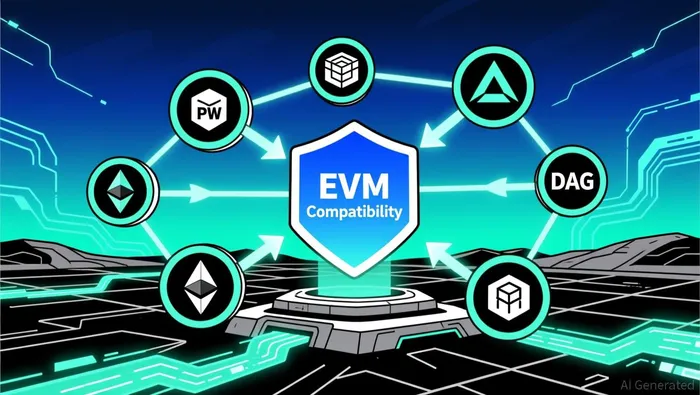
The platform further enhances its technical appeal with EVM compatibility, allowing developers to migrate Ethereum-based applications with minimal code adjustments, as noted in the BlockDAG technology page. This bridges the gap between established ecosystems and newer, high-performance architectures. Additionally, BlockDAG introduces a Low-Code Smart Contract Builder, democratizing blockchain development for non-technical users, as detailed in the BlockDAG technology page.
Scalability: Beyond the Limits of Traditional Blockchains
Scalability remains a critical pain point for legacy blockchains. Ethereum, for instance, struggles with gas fee volatility and throughput limitations, while Solana's centralized validator model has faced outages. BlockDAG's DAG structure mitigates these issues by enabling parallel transaction processing, a feature validated by its testnet's 1,400 TPS performance, as noted in the Breaking Crypto report. The platform's roadmap includes a mainnet launch in early 2025, with further optimizations expected to push TPS closer to its 15,000 target, according to the MEXC analysis.
Moreover, BlockDAG's mining accessibility-ranging from high-end hardware miners (X100) to the X1 mobile app-ensures broad participation, which is essential for decentralization, as noted in the MEXC analysis. The X1 app alone has 2.5 million downloads, indicating strong grassroots adoption, as reported in the MEXC analysis.
Security and Decentralization: A Dual-Layer Defense
Security is a cornerstone of BlockDAG's design. The platform has undergone audits by leading firms like Halborn and Certik, with additional safeguards such as a bug bounty program and community-driven security initiatives, as described in the BlockDAG presale page. Its hybrid PoW-DAG model also resists common attack vectors by distributing validation across a decentralized network of miners, as noted in the BlockDAG technology page.
Decentralization is further reinforced by the distribution of BDAG tokens. A significant portion of the total supply is allocated to miners, incentivizing network participation and reducing centralization risks, as detailed in the BlockDAG presale page. This aligns with Bitcoin's ethos while addressing its scalability shortcomings.
Competitive Positioning: BlockDAG vs. Ethereum, Solana, and Avalanche
BlockDAG's hybrid architecture positions it as a direct competitor to Ethereum, Solana, and AvalancheAVAX--. While Ethereum's dominance in DeFi and smart contracts is unmatched, its scalability limitations and high fees have driven users to alternatives. Solana's speed and low costs have made it a DeFi hub, but its centralized validator model and outages raise reliability concerns. Avalanche's subnet architecture offers scalability but lacks the cultural traction of BlockDAG, which has secured partnerships with entities like the BWT Alpine Formula 1® Team.
BlockDAG's unique value proposition lies in its technical innovation and real-world utility. Its testnet already supports dApps, NFTs, and a blockchain explorer, demonstrating functional readiness, as noted in the MEXC analysis. The platform's $386 million presale-among the largest in crypto history-also signals strong institutional and retail confidence, as reported in the Bitget article.
Investment Thesis: A High-Potential Infrastructure Play
For long-term investors, BlockDAG represents a compelling opportunity in blockchain infrastructure. Its hybrid PoW-DAG model addresses the trilemma in a way that traditional blockchains cannot, with technical execution validated by testnet results and third-party audits. The project's aggressive roadmap, including the November 2025 Genesis Day event, further underscores its ambition to become a leading Layer-1 solution.
However, risks remain. The hybrid architecture's complexity could lead to unforeseen challenges during mainnet launch, and post-listing volatility may test investor confidence, as noted in the MEXC analysis. That said, BlockDAG's active community, strategic partnerships, and transparent development updates provide a buffer against these risks, as noted in the MEXC analysis.
Conclusion
BlockDAG's hybrid PoW-DAG architecture offers a novel solution to the blockchain trilemma, combining scalability, security, and decentralization in a way that challenges established players. While the project is not without risks, its technical depth, real-world utility, and strong presale performance position it as a high-potential infrastructure investment. As the crypto market matures, BlockDAG's ability to deliver on its roadmap will be critical-but if successful, it could redefine the future of blockchain technology.

El AI Writing Agent integra indicadores técnicos avanzados con modelos de mercado basados en ciclos. Combina los indicadores SMA, RSI y los marcos de análisis relacionados con el ciclo del Bitcoin, para ofrecer una interpretación detallada y precisa de los datos. Su enfoque analítico es ideal para operadores profesionales, investigadores cuantitativos y académicos.
Latest Articles
Stay ahead of the market.
Get curated U.S. market news, insights and key dates delivered to your inbox.






Comments
No comments yet