
Block Restructuring Impacts Afterpay And Cash App Users: Here's What To Know
 Aime Summary
- Block Inc. is , , to adapt to AI-driven operations.
- The layoffs will cost the company in severance and restructuring expenses.
- The decision is part of a broader shift in the fintech industry, where automation and AI are reshaping traditional business models.
The fintech world is in the middle of a major transformation. BlockXYZ-- Inc.—the parent company behind Cash App, Square, and Afterpay—has announced one of the largest layoffs in its history. Jack Dorsey, the company’s co-founder and CEO, has signaled a decisive shift toward AI-driven operations, stating that "something has changed" in how companies like Block operate according to reports. For retail investors and users of Afterpay or Cash App, this means a potential reconfiguration of the services they rely on, as well as a glimpse into the future of work in the tech sector.
What Does This Restructuring Mean For Afterpay And Cash App Users?
For the millions of consumers who use Afterpay or Cash App daily, the immediate concern may be whether their experience will be affected. Block has emphasized that the layoffs are part of a strategic push to increase efficiency and long-term growth. The company's CFO stated that the move allows for faster decision-making and better alignment with evolving market needs. So far, there have been no official signs of service disruptions or changes to the functionality of Afterpay or Cash App. However, as AI tools take over more of the operational work, users might notice fewer customer service representatives or changes in how the apps are updated and maintained.
Still, the broader picture is more about what this means for the future of fintech and the labor market. Jack Dorsey has made it clear that this is not a short-term cut but a long-term strategic move. As AI tools become more sophisticated, they are expected to replace roles that were once handled by human teams, especially in software development and operations. That could mean fewer jobs in traditional tech functions, but also more innovation in how financial services are delivered.
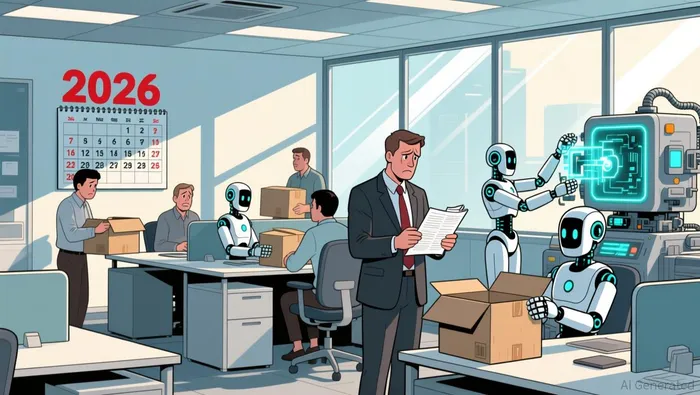
How Are Workers Coping With The Layoffs?
For the employees affected by the layoffs, the transition has been anything but easy. One senior software engineer, , was among those let go and shared his experience online. He noted that the shock of sudden job loss was compounded by the fact that the company had done well financially— . This highlights a growing concern: mass layoffs are increasingly occurring in companies that are otherwise performing well. Experts suggest that workers in this situation should consider negotiating severance packages and leveraging outplacement services.
For job seekers, the message is clear: adaptability is key. Dorsey himself has warned that other companies will likely follow Block's lead as AI becomes a more central part of business operations. That means job seekers must be prepared to re-skill and pivot, particularly in tech fields like software engineering where automation is already reshaping roles.
What Are The Implications For Investors And The Market?
Block's decision has sparked a mix of reactions from investors. On one hand, the company's stock following the announcement, as the market appeared to take the move as a sign of confidence in the company's long-term growth. On the other hand, the scale of the layoffs is a stark reminder of the pressures facing tech companies in a world where automation is rapidly becoming the norm.
For investors, the key question is whether this strategic shift will pay off in the long run. Block has stated that it expects to continue growing both Cash App and Square's gross payment volumes, but that will depend on how well the company can integrate AI into its operations without alienating users according to reports. The cost of the restructuring is also a factor. in severance could weigh on short-term earnings, even as the company anticipates long-term efficiency gains.
Still, Block is not alone. The broader tech sector has seen a wave of layoffs in early 2026, driven in part by the increasing use of AI. This suggests that the market is already anticipating a shift in how companies operate and what they need from their workforce. For now, the focus remains on how Block and its subsidiaries—Cash App and Afterpay—will fare in the coming quarters and whether they can maintain user trust and engagement in a rapidly changing landscape.
What's clear is that the future of fintech is being shaped by AI. Whether that's a net positive for investors, consumers, or employees will depend on how quickly companies can adapt—and how well they can balance automation with human touch in a world that still values personal connection.

Stay ahead of the market.
Get curated U.S. market news, insights and key dates delivered to your inbox.


AInvest
PRO
AInvest
PRO



Comments
No comments yet