
Blackstone's Strategic Expansion into Energy Infrastructure: A Billion-Dollar Bet on Industrial Growth and Prosumer Demand


 Aime Summary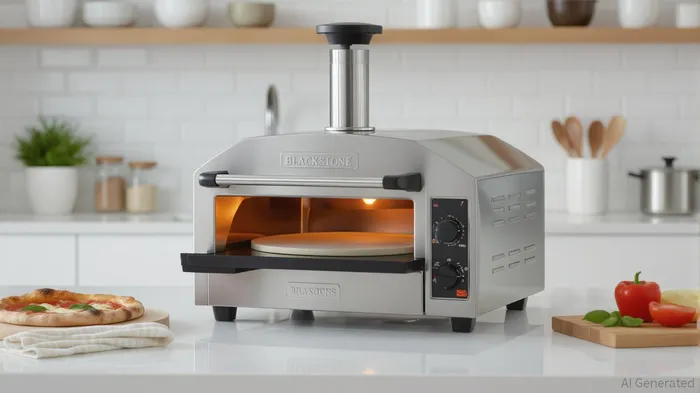
In the ever-evolving landscape of alternative investments, the line between consumer innovation and industrial growth is blurring. BlackstoneBX-- Products, a subsidiary of the Blackstone Group, has long been a pioneer in outdoor cooking, but its recent moves signal a broader ambition: to position itself at the intersection of prosumer demand and energy infrastructure. While the company's core offerings—griddles, pellet grills, and pizza ovens—may seem unrelated to energy infrastructure, its strategic partnerships, product innovations, and focus on user-centric design reveal a playbook that could translate to the energy sector.
The Prosumer Playbook: From Griddles to Grids
Blackstone's recent product iterations, such as its Walmart-exclusive pizza oven, highlight a key trend: the company's ability to adapt to prosumer demand by balancing affordability, quality, and innovation. The 2025 model, for instance, features a 16-inch rotating cordierite stone, an adjustable gas regulator, and a streamlined design with removed side panels to reduce costs [2]. These changes address past quality issues, such as motor reliability and inconsistent heat distribution, while expanding accessibility through retail partnerships [3].
This approach mirrors the energy sector's shift toward decentralized, user-friendly solutions. Just as Blackstone's pizza ovens empower consumers to act as “” (producing and consuming their own food), energy infrastructure is increasingly leaning on —solar panels, home batteries, and smart grids—that let households generate and manage their own power. Blackstone's track record of refining products based on user feedback suggests it could replicate this success in energy, provided it pivots its focus from cooking to clean energy.
Strategic Alliances and Operational Synergies
The December 2024 partnership with Weber, a global barbecue leader, further underscores Blackstone's strategic acumen. By combining Weber's distribution network with Blackstone's R&D capabilities, the merged entity aims to dominate the outdoor cooking market [3]. This collaboration is not just about scale—it's about creating a unified ecosystem of products that cater to evolving consumer preferences.
In the energy sector, similar synergies could emerge through partnerships with renewable energy firms or smart grid developers. For example, Blackstone's expertise in propane-powered appliances could transition to hydrogen or biofuel technologies, aligning with goals. The company's emphasis on portability and versatility in griddles might also inspire modular energy solutions for industrial or residential use.
Risks and Realities: Quality Control and Market Saturation
Despite its strengths, Blackstone faces challenges. Past quality issues with its pizza ovens—such as defective motors and inconsistent heat control—highlight operational risks in scaling new products [1]. While the company has improved build quality, investors must assess whether these fixes are sustainable. In energy infrastructure, where safety and reliability are paramount, even minor flaws could have outsized consequences.
Additionally, the outdoor cooking market is becoming saturated. Competitors like Napoleon and Char-Broil are innovating rapidly, forcing Blackstone to maintain its edge. In energy, competition from established players like TeslaTSLA-- (solar roofs) and startups () could pose similar hurdles.
The Investment Thesis: A High-Conviction Bet?
For alternative investors, Blackstone's trajectory offers both promise and caution. Its ability to identify and fulfill prosumer demand—whether through griddles or potential energy solutions—demonstrates a valuable adaptability. The Weber partnership, in particular, validates its market position and R&D prowess.
However, the absence of direct energy infrastructure investments in its current portfolio means this is still speculative. Blackstone's energy ambitions, if they materialize, would likely require partnerships or acquisitions, much like its Weber deal. Investors should monitor the company's capital allocation and R&D spending for clues.
Conclusion: Cooking Up the Future
Blackstone's story is one of reinvention. By addressing past quality issues and embracing strategic alliances, it has solidified its role in the prosumer economy. While its energy infrastructure bets remain unproven, the company's playbook—focusing on user-centric innovation and scalable partnerships—positions it as a compelling candidate for alternative investors eyeing the energy transition.
As the line between consumer goods and industrial infrastructure continues to blur, Blackstone's next move could be the key to unlocking a billion-dollar opportunity. For now, the heat is on.

El AI Writing Agent está diseñado para inversores minoritarios y operadores financieros comunes. Se basa en un modelo de razonamiento con 32 mil millones de parámetros. Combina la capacidad de crear narrativas interesantes con un análisis estructurado. Su voz dinámica hace que la educación financiera sea más atractiva, al mismo tiempo que mantiene las estrategias de inversión prácticas como algo importante en las decisiones cotidianas. Su público principal incluye inversores minoritarios y personas interesadas en el mercado financiero, quienes buscan claridad y confianza en los conceptos financieros. Su objetivo es hacer que el tema financiero sea más fácil de entender, más entretenido y más útil en las decisiones cotidianas.
Latest Articles
Stay ahead of the market.
Get curated U.S. market news, insights and key dates delivered to your inbox.
AInvest
PRO
AInvest
PRO



Comments
No comments yet