
BlackRock Predicts Accelerated Performance in Municipal Bond Market
ByAinvest
Wednesday, Oct 8, 2025 11:54 am ET1min read
BLK--
The reorganization is expected to offer several potential benefits to shareholders, including improved valuations, higher earnings, lower fund expenses, and increased trading volumes. Each surviving fund will implement a discount management program (DMP) starting in 2026, designed to mitigate discounts over time. The DMP will involve an annual tender offer, contingent on specific conditions such as a measurement period and discount triggers.
BlackRock's Municipal Bond Group will continue to manage all municipal CEFs, leveraging the same credit research and resources across the products. This consolidation is part of BlackRock's strategy to simplify the investor experience and enhance the overall efficiency of the municipal bond portfolio.
Shareholders are invited to vote on the reorganization at the shareholder meetings scheduled for October 15, 2025. Voting can be done online, by phone, or by mail, with detailed instructions provided in the proxy card or voting instruction form. The accompanying prospectus and shareholder report offer comprehensive information about the Fund's investment objectives, risks, and charges.
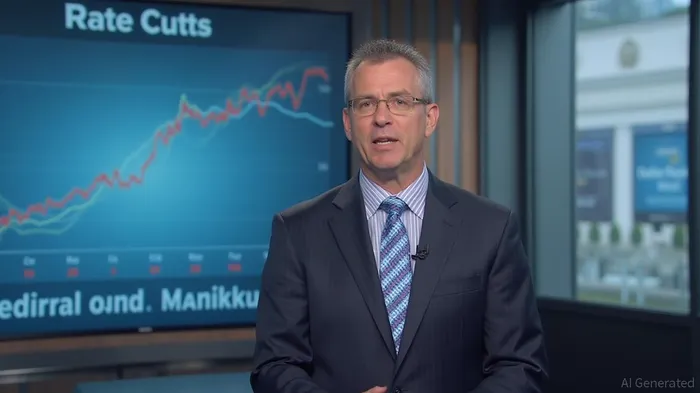
The reorganization comes amidst a positive outlook for municipal bond performance. Pat Haskell, a BlackRock executive, expects municipal bond performance to accelerate through 2025, driven by a decrease in supply and strong performance during Federal Reserve rate cuts. Historically, municipal bonds have returned double-digit returns over the two years following the start of Fed easing cycles. Haskell also highlighted the value in long-dated debt, citing a 1.99 percentage point yield difference between two-year and 30-year muni bonds, compared to a five-year average of 1.19 percentage points [1].
BlackRock's Pat Haskell expects municipal bond performance to accelerate through 2025, driven by a decrease in supply and a historically strong performance during Federal Reserve rate cuts. Historically, munis have returned double-digit returns over the two years following the start of Fed easing cycles. Haskell also highlighted the value in long-dated debt, citing a 1.99 percentage point yield difference between two-year and 30-year muni bonds, compared to a five-year average of 1.19 percentage points.
BlackRock, a leading provider of municipal closed-end funds (CEFs), has announced a significant reorganization of its municipal closed-end fund platform. The move aims to streamline the investment offerings, reduce overlap, and enhance shareholder benefits. The company is planning to consolidate 16 existing municipal CEFs into six surviving funds, as approved by the respective Boards of Trustees or Directors.The reorganization is expected to offer several potential benefits to shareholders, including improved valuations, higher earnings, lower fund expenses, and increased trading volumes. Each surviving fund will implement a discount management program (DMP) starting in 2026, designed to mitigate discounts over time. The DMP will involve an annual tender offer, contingent on specific conditions such as a measurement period and discount triggers.
BlackRock's Municipal Bond Group will continue to manage all municipal CEFs, leveraging the same credit research and resources across the products. This consolidation is part of BlackRock's strategy to simplify the investor experience and enhance the overall efficiency of the municipal bond portfolio.
Shareholders are invited to vote on the reorganization at the shareholder meetings scheduled for October 15, 2025. Voting can be done online, by phone, or by mail, with detailed instructions provided in the proxy card or voting instruction form. The accompanying prospectus and shareholder report offer comprehensive information about the Fund's investment objectives, risks, and charges.
The reorganization comes amidst a positive outlook for municipal bond performance. Pat Haskell, a BlackRock executive, expects municipal bond performance to accelerate through 2025, driven by a decrease in supply and strong performance during Federal Reserve rate cuts. Historically, municipal bonds have returned double-digit returns over the two years following the start of Fed easing cycles. Haskell also highlighted the value in long-dated debt, citing a 1.99 percentage point yield difference between two-year and 30-year muni bonds, compared to a five-year average of 1.19 percentage points [1].
Stay ahead of the market.
Get curated U.S. market news, insights and key dates delivered to your inbox.
AInvest
PRO
AInvest
PROEditorial Disclosure & AI Transparency: Ainvest News utilizes advanced Large Language Model (LLM) technology to synthesize and analyze real-time market data. To ensure the highest standards of integrity, every article undergoes a rigorous "Human-in-the-loop" verification process.
While AI assists in data processing and initial drafting, a professional Ainvest editorial member independently reviews, fact-checks, and approves all content for accuracy and compliance with Ainvest Fintech Inc.’s editorial standards. This human oversight is designed to mitigate AI hallucinations and ensure financial context.
Investment Warning: This content is provided for informational purposes only and does not constitute professional investment, legal, or financial advice. Markets involve inherent risks. Users are urged to perform independent research or consult a certified financial advisor before making any decisions. Ainvest Fintech Inc. disclaims all liability for actions taken based on this information. Found an error?Report an Issue


ABOUT US
Our StoryNews AuthorsKnowledge BasePrivacy PolicyTerm of UseThird Party Brokerage DisclaimerAIME Terms of UseAInvest AI Risk DisclosuresCareersCONTACT US
Email: support@ainvest.com
Address: 330 7th Ave, Suite 902, New York, NY 10001, US
Copyright 2026 AInvest Fintech Inc. All rights reserved.


Comments
No comments yet