
BlackRock Becomes Second-Largest Bitcoin Holder With 636,000 BTC
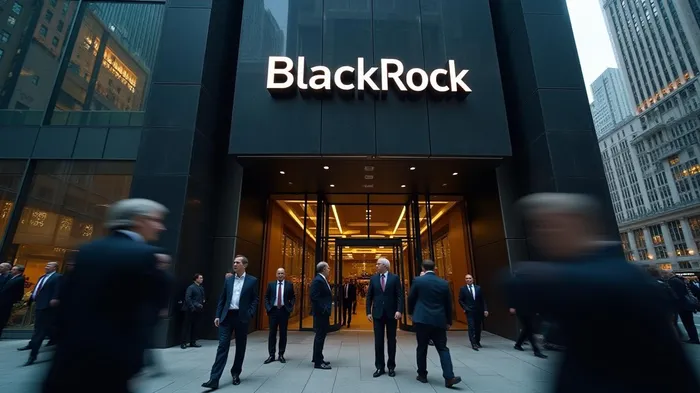
BlackRock, the world’s largest asset manager, has officially become the second-largest holder of Bitcoin (BTC) globally, with 636,000 BTC under management. This milestone places BlackRockREM-- behind only the mysterious creator of Bitcoin, Satoshi Nakamoto, who is estimated to hold between 1 million and 1.1 million BTC. This development underscores BlackRock’s growing influence not just in traditional finance but also in the crypto markets.
BlackRock’s Bitcoin spot ETF, iShares Bitcoin Trust (IBIT), has rapidly climbed the ranks and is now among the top 5 U.S. ETFs by year-to-date inflows. IBIT has attracted nearly $8.9 billion in net inflows, surpassing long-established funds and indicating a strong institutional appetite for crypto exposure. This surge in inflows highlights the increasing demand for regulated, liquid, and tax-efficient exposure to Bitcoin, particularly through spot ETFs like BlackRock’s.
The total cumulative inflows for Bitcoin ETFs have reached a historic milestone, surpassing $40 billion as of May 2025. This growth is largely driven by institutional investors seeking regulated and efficient ways to gain exposure to Bitcoin. For many large asset managers, pension funds, and sovereign institutions, ETFs remain the most practical or even the only route to gain exposure to Bitcoin due to internal compliance restrictions or regulatory mandates. This trend is reshaping the Bitcoin ownership structure, with an increasing share of circulating BTC being absorbed by ETF issuers, further centralizing holdings among a few major financial players.
The growing institutional presence is contributing to Bitcoin’s evolving narrative from a speculative asset to a macro hedge and strategic reserve. With Bitcoin currently trading above $100,000, BlackRock’s position represents a powerful vote of confidence in crypto’s long-term viability. The concentration of Bitcoin holdings among a few large entities has significant implications for the market. Large holders, often referred to as "whales," can influence market dynamics with their buying or selling decisions. The presence of long-term holders, such as Satoshi Nakamoto and early miners, whose coins remain untouched, is often seen as a sign of confidence in Bitcoin's future. This stability can help to mitigate price volatility and provide a sense of security for investors.
The rise of institutional investment vehicles, particularly exchange-traded funds (ETFs), has fundamentally changed the landscape of Bitcoin ownership. By May 2025, U.S. spot Bitcoin ETFs collectively held over 1.1 million BTC, surpassing even Nakamoto’s legendary stash and accounting for more than 5% of all Bitcoin in existence. This shift towards institutional adoption signals growing mainstream acceptance, potentially stabilizing Bitcoin’s price and broadening its investor base. The distribution of Bitcoin ownership is more concentrated than many realize, with a handful of entities—some anonymous, some corporate, some governmental—controlling vast portions of the total supply. As institutional adoption accelerates and regulatory frameworks evolve, the list of top holders will continue to shift. However, for now, Satoshi Nakamoto’s untouched fortune remains the stuff of legend, a silent testament to Bitcoin’s origins and the enduring mystery at the heart of the world’s most valuable digital asset.

Stay ahead of the market.
Get curated U.S. market news, insights and key dates delivered to your inbox.




Comments
No comments yet