
BlackRock Consortium Secures 49% Stake in 11 Billion Jafurah Gas Project with Aramco
 Aime Summary
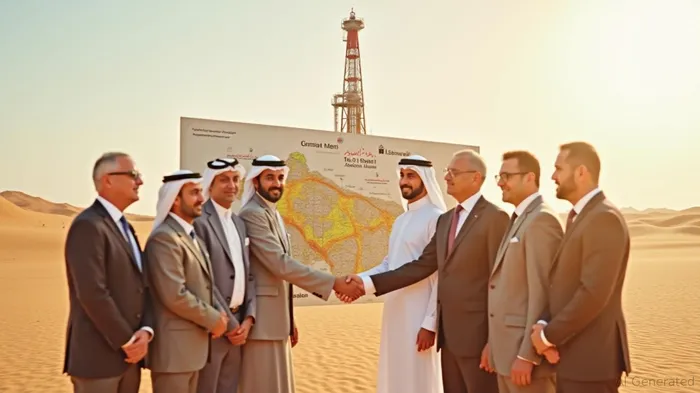
BlackRock’s Global Infrastructure Partners (GIP) has finalized an $11 billion lease-and-leaseback agreement with Saudi Aramco for the Jafurah Gas Project, marking one of the largest infrastructure investments in the energy sector [1]. The deal involves the formation of the Jafurah Midstream Gas Company, with GIP acquiring a 49% stake while Saudi Aramco retains operational control [2]. The 20-year agreement allows Aramco to free up capital for strategic energy transition initiatives such as carbon capture, blue hydrogen, and renewable projects, supporting its Vision 2030 objectives [2].
The Jafurah Gas Project is a key pillar of Saudi Arabia’s national energy strategy, aiming to enhance gas utilization in domestic power generation and reduce oil consumption. It is projected to displace over 350,000 barrels of crude oil daily by 2030 and cut carbon emissions by 20% [2]. The project includes 1,500 kilometers of pipelines, advanced gas processing infrastructure, and a production capacity of 2 billion standard cubic feet per day. The gas will also support Aramco’s SPARK petrochemicals initiative, adding value through downstream integration [2].
The deal reflects a shift in the energy financing model, where sovereign energy companies collaborate with institutional investors to fund critical infrastructure while maintaining control of core assets. The structure of the Jafurah agreement—backed by minimum throughput commitments and sovereign guarantees—reduces exposure to commodity price volatility, making it an attractive investment for capital allocators seeking stable, inflation-protected returns [2]. This approach could encourage further institutional investment in Middle Eastern energy infrastructure, particularly in the context of global decarbonization efforts [2].
Environmental and economic factors also highlight the significance of the deal. Aramco’s methane emission rates are among the lowest in the industry, and the company has nearly eliminated routine flaring [2]. The Jafurah project aligns with global ESG investment trends, offering a pathway for energy transition that balances growth with sustainability [2]. However, long-term success depends on the pace of renewable energy adoption and regulatory shifts. If these factors accelerate, the demand for gas could face downward pressure before the agreement’s 20-year horizon [2].
The BlackRock-Aramco deal also signals growing confidence in the investment environment in the Middle East. Aramco’s ability to secure institutional capital on favorable terms underscores the region’s evolving role in global energy markets [2]. This transaction may serve as a blueprint for other Gulf nations seeking to attract foreign investment in energy infrastructure, potentially accelerating private-sector participation in decarbonization projects [2].
[1] https://www.ainvest.com/news/blackrock-consortium-secures-11-billion-jafurah-gas-deal-saudi-aramco-2508/
[2] https://www.ainvest.com/news/aramco-11-billion-jafurah-midstream-deal-implications-energy-infrastructure-investment-middle-east-2508/

Stay ahead of the market.
Get curated U.S. market news, insights and key dates delivered to your inbox.
AInvest
PRO
AInvest
PRO



Comments
No comments yet