
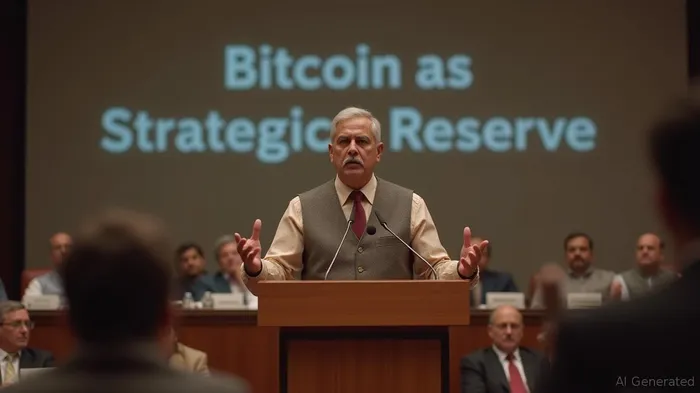
BJP Spokesperson Urges India to Adopt Bitcoin as Strategic Reserve
Pradeep Bhandari, a national spokesperson for the ruling Bharatiya Janata Party (BJP) in India, has called for the country to consider adopting Bitcoin as part of its strategic national reserves. This suggestion comes as global interest in digital assets continues to grow, with countries like the U.S. and Bhutan already integrating Bitcoin into their economic frameworks.
Bhandari, in an editorial and public statement, argued that India should view Bitcoin as more than just a speculative asset. He cited the U.S. government’s Bitcoin Reserve, which was launched under President Trump in January 2025 and now holds over $20 billion in value. According to Bhandari, this move by the U.S. demonstrates Bitcoin’s potential as a hedge against inflation and a long-term reserve asset. He proposed that India could benefit from exploring a pilot reserve strategy based on the U.S. model.
Bhandari highlighted several advantages of Bitcoin, including its decentralized design, fixed supply of 21 million coins, and liquidity. He suggested that these features make Bitcoin an ideal fit for reserve diversification, offering a more stable alternative to traditional assets like gold or fiat currencies. The digital nature of Bitcoin, he noted, could also help India position itself as a tech-forward, Web3-supportive economy.
Bhandari also pointed to Bhutan’s ongoing Bitcoin mining initiative as a potential framework for India to follow. Since 2021, Bhutan has been mining Bitcoin using hydropower, building a reserve exceeding $1 billion by mid-2025. Bhandari noted that India’s renewable energy potential far exceeds Bhutan’s, suggesting that a sustainable Bitcoin strategy could be viable and impactful. However, he cautioned that scale, regulation, and infrastructure would need to be addressed.
Bhandari’s remarks come at a time when India’s regulatory policy on cryptocurrencies remains unclear, despite the country taxing crypto gains. He stressed the need for clarity, especially as other countries like the U.S., Brazil, and China push forward with their Bitcoin strategies. During its G20 presidency, India helped form a crypto working group with the IMF, but local progress has been limited. Bhandari highlighted that the IMF now classifies Bitcoin as a capital asset, increasing the urgency for India to update its legal and policy framework.
With institutional investors showing rising interest and other BRICS nations advancing their crypto agendas, Bhandari urged India not to fall behind. He underlined that Bitcoin has matured into a credible store of value, citing its recognition by U.S. regulators and inclusion in state-level reserve policies. He noted that three U.S. states now allow public funds to be held in Bitcoin, suggesting a growing trend of formal adoption.
For India, the next step may involve testing Bitcoin as part of its sovereign reserves. Bhandari concluded that the time has come for India to act before others set the standard, emphasizing the potential benefits of a well-regulated and sustainable Bitcoin strategy for the country’s economic future.

Stay ahead of the market.
Get curated U.S. market news, insights and key dates delivered to your inbox.


AInvest
PRO
AInvest
PRO



Comments
No comments yet