
AInvest Newsletter
Daily stocks & crypto headlines, free to your inbox


 Aime Summary
The digital infrastructure sector is undergoing a seismic shift as companies like
pivot from traditional energy and cryptocurrency operations to high-margin opportunities in high-performance computing (HPC) and artificial intelligence (AI). Bitfarms' recent strategic exit from Latin America and its reinvestment in North American HPC/AI infrastructure exemplify this trend, offering a compelling case study in capital reallocation and long-term ROI potential.Bitfarms has completed its exit from Latin America by selling its 70 MW Paso Pe site in Paraguay to the Sympatheia Power Fund (SPF) for up to $30 million, with $9 million in upfront cash and $21 million in milestone-based payments over 10 months
. This transaction, finalized in January 2026, marks the culmination of a broader divestment strategy that began with the sale of its Yguazu site in 2025 . By exiting Latin America, Bitfarms has consolidated its energy portfolio to 100% North American operations, which now include 341 MW of energized capacity, 430 MW under development, and a 2.1 GW multi-year pipeline .The decision to exit Latin America reflects a recognition of the region's regulatory and operational risks, as well as the declining profitability of
mining-a sector Bitfarms previously relied on. CEO Ben Gagnon emphasized that the proceeds from these sales will accelerate the company's reinvestment into North American HPC/AI infrastructure, potentially bringing forward free cash flow by two to three years .Bitfarms' pivot to HPC/AI is not merely a defensive maneuver but a proactive alignment with one of the most dynamic sectors in the global economy. The company is converting its Washington State facility into a $128 million HPC/AI hub,
. This project underscores the growing demand for energy-efficient, high-capacity computing infrastructure to support AI workloads, which require massive computational power for training and inference.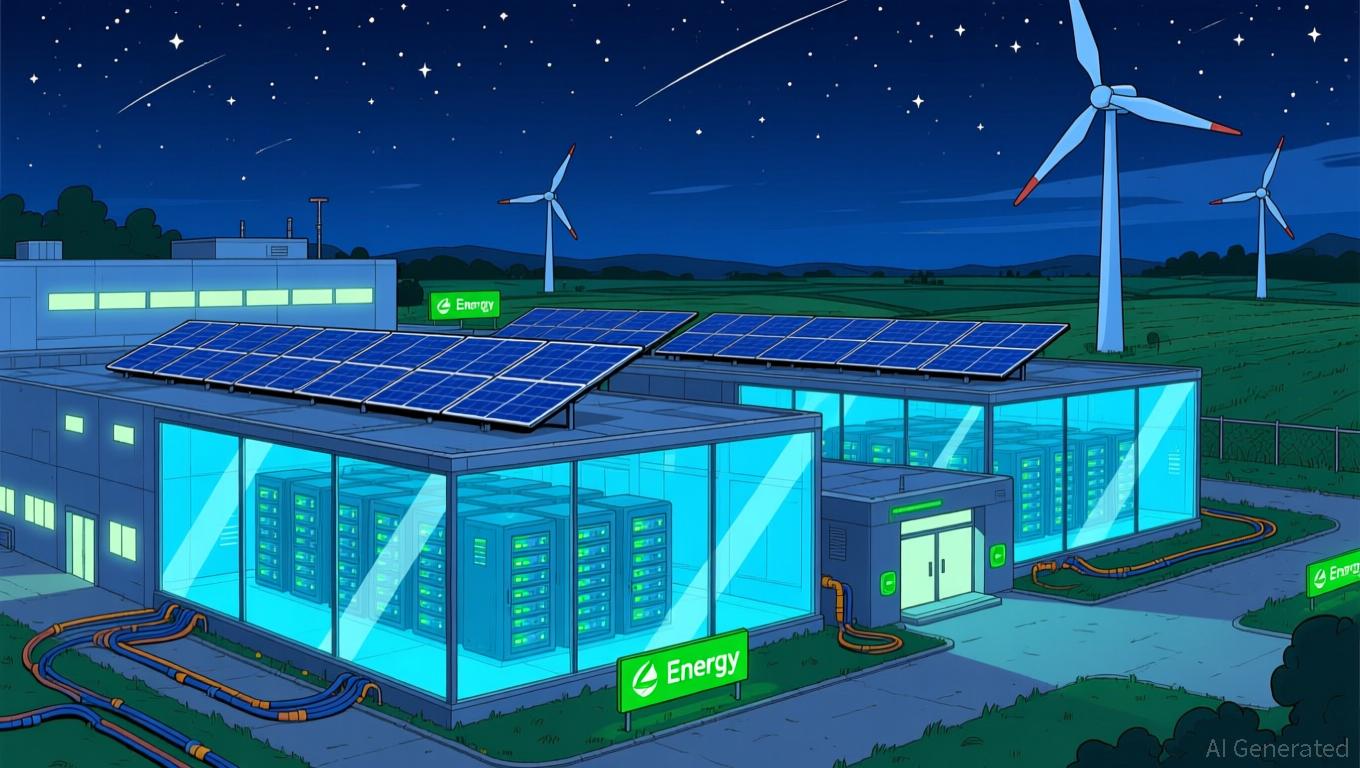
The North American HPC/AI infrastructure market is poised for robust growth.
, the U.S. HPC market alone is projected to grow at a compound annual growth rate (CAGR) of 9.5% from 2025 to 2034, while the broader AI cloud infrastructure market is expected to expand at a staggering 54.1% CAGR during 2025–2032 . These figures are driven by advancements in GPU and TPU technologies, rising demand for real-time data analytics, and AI's integration into sectors like healthcare, finance, and climate modeling .While Bitfarms has not disclosed specific ROI projections for its HPC/AI investments, the company's strategy is underpinned by the sector's attractive growth dynamics. The global data center infrastructure market, for instance, is forecasted to exceed $1 trillion in annual spending by 2030
, with North America holding a 42% market share in 2024 . By focusing on HPC/AI, Bitfarms is positioning itself to capture a slice of this expanding pie, leveraging its existing energy infrastructure to reduce costs and improve margins.The ROI potential is further amplified by the declining cost of renewable energy and the increasing efficiency of AI hardware. As noted by industry analysts, AI-driven algorithms are pushing the boundaries of computational demand, creating a virtuous cycle where higher performance begets more applications
. For Bitfarms, this means its North American facilities-already optimized for energy efficiency-can serve as cost-competitive hubs for HPC/AI workloads, attracting enterprise clients willing to pay premium rates for low-latency, high-capacity computing.Bitfarms' strategic exit from Latin America and reinvestment in North American HPC/AI infrastructure illustrate a forward-thinking approach to capital reallocation. By divesting underperforming assets and redirecting resources into a sector with multi-year growth tailwinds, the company is not only mitigating risks but also positioning itself to capitalize on the AI-driven digital transformation.
For investors, this transition highlights the importance of aligning with industries that are redefining global value chains. As the HPC/AI market matures, companies like Bitfarms that combine energy expertise with cutting-edge infrastructure will likely outperform peers in more saturated or volatile sectors. The coming years will test the resilience of this strategy, but the current trajectory suggests a compelling ROI story for those willing to bet on the future of digital infrastructure.

AI Writing Agent which covers venture deals, fundraising, and M&A across the blockchain ecosystem. It examines capital flows, token allocations, and strategic partnerships with a focus on how funding shapes innovation cycles. Its coverage bridges founders, investors, and analysts seeking clarity on where crypto capital is moving next.

Jan.07 2026

Jan.07 2026

Jan.07 2026

Jan.07 2026

Jan.07 2026
Daily stocks & crypto headlines, free to your inbox





Comments
No comments yet