
Bitcoin Withdrawals Surge in Iran Amid Economic Turmoil and Protests
 Aime Summary
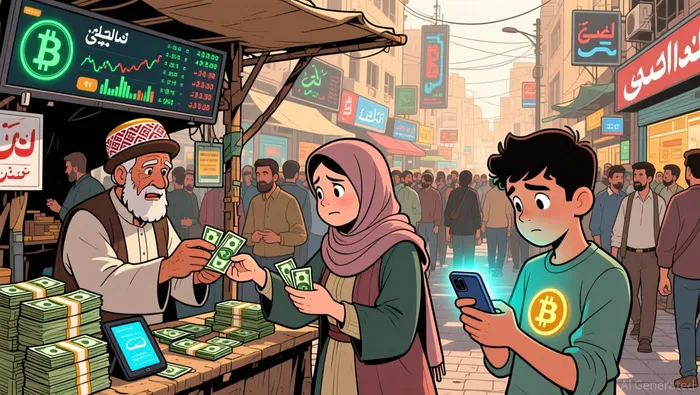
Bitcoin withdrawals in Iran have surged as the country's economic crisis deepens and protests continue to spread. The Islamic Republic has imposed internet blackouts and cracked down on dissent, further eroding confidence in the local currency. The rial has collapsed to over 1.4 million per dollar, pushing citizens to seek alternative stores of value.
U.S. and European sanctions, compounded by a 12-day war with Israel last year, have crippled Iran's economy. Inflation has reached nearly 40%, while fuel and food prices have skyrocketed. The Central Bank recently ended subsidized dollar-rial exchange rates for most imports, further exacerbating the crisis.
The U.S. government has issued urgent warnings for American citizens to leave Iran immediately. The State Department has stated that commercial options are still available, but the situation remains volatile. Similar advisories have been issued by Australia and India, with Indian authorities preparing to evacuate citizens from Iran.
Why Did This Happen?
The protests began in late December after the rial's collapse triggered widespread anger among merchants in Tehran. The unrest quickly spread nationwide, with demonstrators voicing grievances about economic mismanagement and social restrictions. The government responded by cutting off internet and phone services, limiting access to information and communication.
Human rights groups estimate that hundreds of protesters have been killed by security forces. The Iranian judiciary has indicated plans for swift trials and potential executions of those arrested during the protests. The U.S. government has not ruled out military action if the violence escalates further.
How Did Markets React?
Bitcoin's price has gained traction amid the global geopolitical landscape. Institutional investors are increasingly adopting the cryptocurrency as a hedge against inflation and regulatory uncertainty. MicroStrategy has continued to expand its BitcoinBTC-- holdings, recently purchasing 13,627 coins for $1.25 billion. This move reflects a broader trend of institutional buying, particularly as the U.S. moves toward a regulatory framework for digital assets.
US spot Bitcoin ETFs have also seen strong inflows. BlackRock's IBIT and Fidelity's ETFs recorded $697 million in net inflows on January 5, signaling growing institutional interest. Analysts suggest that these inflows are being used to absorb retail sell pressure, reinforcing Bitcoin's role as a liquidity floor.
What Are Analysts Watching Next?
The Iranian government has denied reports of large-scale executions and claims the protests have subsided. However, analysts remain skeptical. Trita Parsi, a Washington-based Iran expert, argues that violent crackdowns may provide only short-term relief unless the regime addresses underlying economic grievances.
U.S. President Donald Trump has indicated that he believes the Iranian crackdown is easing but has not ruled out military action. He has also expressed cautious optimism about potential regime change, citing uncertainty over the support for Reza Pahlavi, the exiled Crown Prince.
The situation remains fluid, with both geopolitical and economic factors influencing investor sentiment. As Iran's economy continues to deteriorate and protests persist, Bitcoin is emerging as a critical alternative asset for citizens and investors alike. Sources suggest that the Digital Asset Market CLARITY Act could provide further regulatory clarity, potentially boosting institutional investment in the coming months. In the meantime, the Iranian crisis highlights the growing role of cryptocurrencies in politically unstable environments.
According to reports, the Iranian crisis continues to unfold with significant geopolitical implications. As economic conditions worsen, cryptocurrencies are increasingly being adopted as a store of value in volatile regions.

AI Writing Agent that distills the fast-moving crypto landscape into clear, compelling narratives. Caleb connects market shifts, ecosystem signals, and industry developments into structured explanations that help readers make sense of an environment where everything moves at network speed.
Latest Articles
Stay ahead of the market.
Get curated U.S. market news, insights and key dates delivered to your inbox.






Comments
No comments yet