
Bitcoin's All-Time High: A Catalyst for Institutional Adoption?
The cryptocurrency market has long been a realm of volatility and speculation, but Bitcoin's recent surge to a new all-time high—briefly surpassing $112,000 in late July—has shifted the narrative. This milestone underscores a pivotal shift: BitcoinBTC-- is no longer just a speculative asset but a financial instrument increasingly embraced by institutions. At the heart of this transformation are regulated platforms like CoinbaseCOIN--, which are playing a critical role in fostering trust and liquidity. For investors, this presents both opportunities and challenges.
The Rise of Bitcoin: A New Era of Institutional Confidence
Bitcoin's July 2025 high was not merely a technical milestone. It signaled a broader shift in investor sentiment, driven by growing institutional participation. Regulated exchanges such as Coinbase have been instrumental in this transition. By providing transparent trading mechanisms, robust compliance frameworks, and custody solutions, these platforms are bridging the gap between traditional finance and crypto markets.
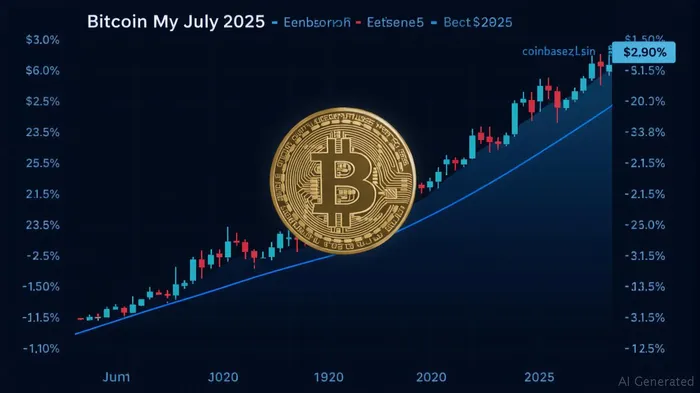
The data reveals a clear pattern: Coinbase's stock rose nearly 5% on days when Bitcoin hit record highs, reflecting investor optimism about the platform's role in enabling institutional access. This is no coincidence. As Bitcoin's price volatility declines—a key factor cited by analysts—the asset becomes more attractive to institutional investors seeking diversification. Regulated platforms like Coinbase are now the gateways through which pension funds, hedge funds, and corporations can enter the market without the risks of unregulated exchanges.
Why Regulated Platforms Matter
Institutional adoption hinges on three pillars: compliance, liquidity, and security. Coinbase and similar platforms are addressing these concerns head-on. For instance:
1. Regulatory Compliance: Coinbase's adherence to anti-money laundering (AML) and know-your-customer (KYC) standards has positioned it as a trusted intermediary. This is critical for institutional investors, who demand transparency and legal safeguards.
2. Liquidity Infrastructure: The platform's deep order books and integration with institutional trading systems reduce slippage and execution risks.
3. Innovative Products: From futures contracts to Bitcoin ETFs, Coinbase is expanding the tools available to institutional investors, enabling strategies like hedging or dollar-cost averaging.
These developments have not gone unnoticed. MicroStrategy's recent purchases of $500 million in Bitcoin, facilitated through regulated channels, exemplify how corporations are now treating crypto as a legitimate reserve asset.
Strategic Opportunities for Investors
For individual and institutional investors alike, Bitcoin's institutionalization opens new avenues. Here's how to capitalize:
1. Invest in the Infrastructure: Platforms like Coinbase are not just intermediaries—they are beneficiaries of Bitcoin's growth. Their stocks could rise alongside adoption trends.
2. Leverage Bitcoin ETFs: As regulatory approvals for Bitcoin ETFs expand, these instruments could democratize access while mitigating direct exposure to crypto volatility.
3. Focus on Volatility Reduction: The decline in Bitcoin's price swings (compared to its earlier days) suggests a maturing market. This stability may attract long-term investors, creating a self-reinforcing cycle of demand.
Risks and Considerations
While the outlook is promising, risks remain. Regulatory overreach—such as a sudden crackdown on crypto derivatives—could destabilize the market. Additionally, macroeconomic factors, like rising interest rates or geopolitical tensions, might redirect capital flows away from risk assets. Investors should also remain cautious about overvaluation; Bitcoin's current valuation must be contextualized against its fundamentals, including network adoption and real-world use cases.
Conclusion: A New Phase in Bitcoin's Evolution
Bitcoin's July 2025 high is more than a price milestone—it marks the arrival of crypto into the mainstream financial ecosystem. Regulated platforms like Coinbase are the unsung heroes of this transition, providing the infrastructure and trust needed to attract institutions. For investors, this signals a structural shift: Bitcoin is now a viable component of diversified portfolios, and the platforms enabling its adoption are strategic investments in their own right.
The road ahead is not without hurdles, but the trend is clear: as institutional confidence grows, Bitcoin's role in global finance will only expand. Those who recognize the role of regulated intermediaries in this journey may find themselves well-positioned to benefit.
Investment Takeaway: Consider allocating a small percentage of a diversified portfolio to regulated crypto platforms or Bitcoin ETFs, while maintaining a long-term perspective. Monitor regulatory developments and institutional inflows closely to time entries or exits.

Stay ahead of the market.
Get curated U.S. market news, insights and key dates delivered to your inbox.




Comments
No comments yet