
Bitcoin: A Tale of Divergent Views from Business Leaders
Generated by AI AgentWesley Park
Tuesday, Jan 14, 2025 5:49 am ET2min read
BRK.B--
Bitcoin, the world's first and most prominent cryptocurrency, has sparked a range of opinions from prominent business leaders, with some expressing skepticism while others embrace its potential. Let's delve into the views of influential figures like Jamie Dimon, Elon Musk, Warren Buffett, and Mark Zuckerberg, and explore how their opinions shape public perception and investment decisions.

Jamie Dimon: A Vocal Critic
Jamie Dimon, CEO of JPMorgan Chase, has been a vocal critic of Bitcoin, likening it to a "hyped-up fraud" and suggesting it should be banned. In a 2024 Senate Banking Committee hearing, Dimon argued that the primary use case for Bitcoin is for illicit activities, such as money laundering and tax avoidance. He also expressed concerns about the lack of regulation in the crypto industry and the potential risks it poses to financial stability. However, JPMorgan has been involved in blockchain technology and holds positions in Bitcoin ETFs, demonstrating a recognition of the potential of the underlying technology and the crypto market.
Warren Buffett: Skepticism and Indirect Investment
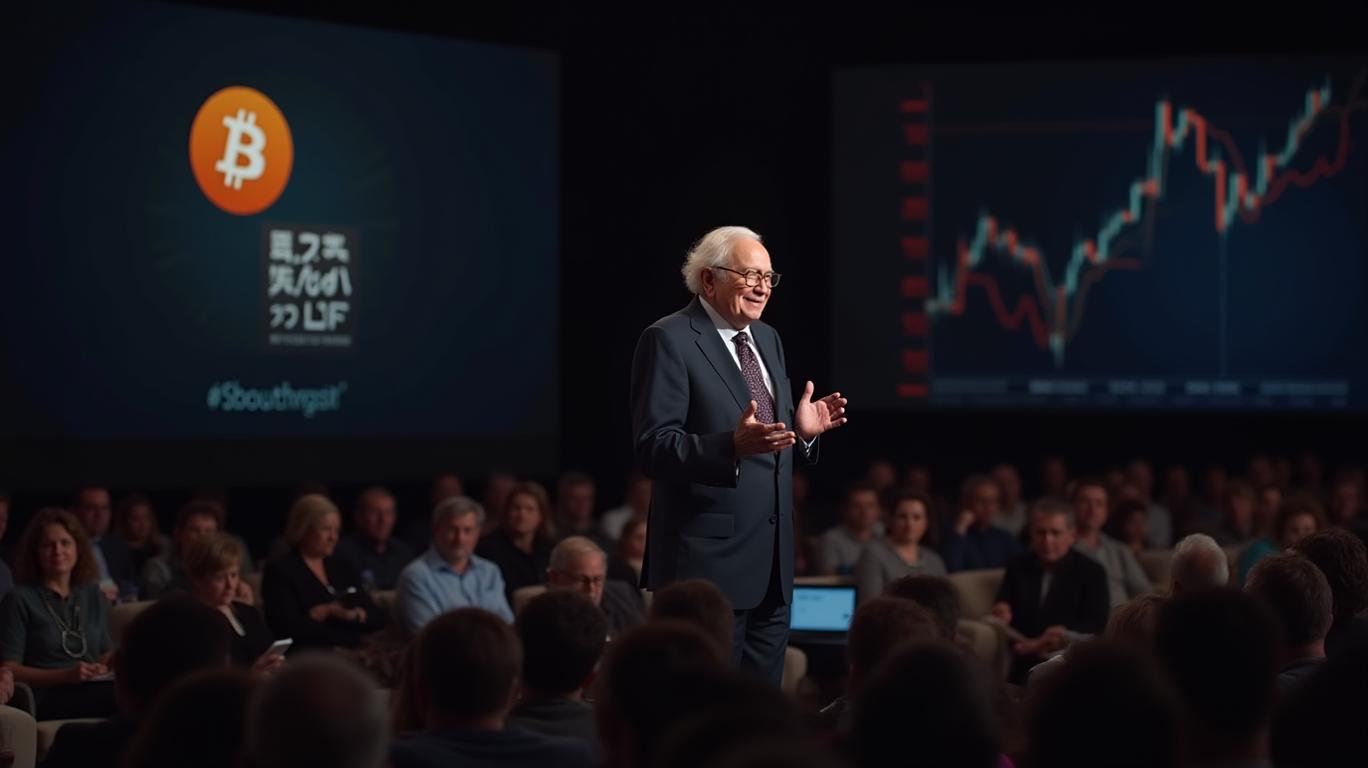
Warren Buffett, the renowned investor and CEO of Berkshire Hathaway, has long been skeptical of Bitcoin. In the 2022 Berkshire Hathaway Annual Shareholders Meeting, Buffett refused to buy all the Bitcoin in the world for $25, arguing that it doesn't produce anything tangible. He compared Bitcoin to a "pet rock" and expressed concerns about its volatility and risk. However, Berkshire Hathaway has indirectly invested in Bitcoin through its stake in Nubank, which offers a crypto trading platform. This suggests that while Buffett personally dislikes Bitcoin, his company recognizes the potential of the crypto market.
Elon Musk: A Shifting Stance
Elon Musk, CEO of Tesla and SpaceX, has had a more nuanced view of Bitcoin. In 2021, Tesla announced it had invested $1.5 billion in Bitcoin and would accept it as a form of payment for its vehicles. However, Musk later expressed concerns about the environmental impact of Bitcoin mining, leading Tesla to suspend Bitcoin payments. Musk's views on Bitcoin have been subject to change, reflecting the dynamic nature of the crypto market and the evolving concerns of investors.
Mark Zuckerberg: Embracing the Future
Mark Zuckerberg, co-founder and CEO of Meta (formerly Facebook), has been more open to the potential of cryptocurrencies. In 2019, Zuckerberg expressed interest in exploring the use of cryptocurrencies for Facebook's Libra project (now known as Diem). While the project faced regulatory hurdles, Zuckerberg's comments suggest a willingness to embrace the potential of cryptocurrencies and their role in the future of finance.
The Impact of Influential Opinions
The opinions of these influential figures can significantly shape public perception and investment decisions regarding Bitcoin. Their views can either deter or encourage potential investors, ultimately influencing the crypto market's trajectory. For instance, Buffett's and Dimon's skepticism can discourage risk-averse investors, while Musk's and Zuckerberg's more open stances can fuel public interest and investment in Bitcoin.
In conclusion, the divergent views of business leaders like Jamie Dimon, Elon Musk, Warren Buffett, and Mark Zuckerberg highlight the complex and dynamic nature of the Bitcoin market. Their opinions can shape public perception and investment decisions, ultimately influencing the crypto market's future. As the crypto industry continues to evolve, it will be interesting to see how these influential figures adapt their views and how their opinions impact the market.
BTC--
JDIV--
JPEM--
TSLA--
Bitcoin, the world's first and most prominent cryptocurrency, has sparked a range of opinions from prominent business leaders, with some expressing skepticism while others embrace its potential. Let's delve into the views of influential figures like Jamie Dimon, Elon Musk, Warren Buffett, and Mark Zuckerberg, and explore how their opinions shape public perception and investment decisions.
Jamie Dimon: A Vocal Critic
Jamie Dimon, CEO of JPMorgan Chase, has been a vocal critic of Bitcoin, likening it to a "hyped-up fraud" and suggesting it should be banned. In a 2024 Senate Banking Committee hearing, Dimon argued that the primary use case for Bitcoin is for illicit activities, such as money laundering and tax avoidance. He also expressed concerns about the lack of regulation in the crypto industry and the potential risks it poses to financial stability. However, JPMorgan has been involved in blockchain technology and holds positions in Bitcoin ETFs, demonstrating a recognition of the potential of the underlying technology and the crypto market.
Warren Buffett: Skepticism and Indirect Investment
Warren Buffett, the renowned investor and CEO of Berkshire Hathaway, has long been skeptical of Bitcoin. In the 2022 Berkshire Hathaway Annual Shareholders Meeting, Buffett refused to buy all the Bitcoin in the world for $25, arguing that it doesn't produce anything tangible. He compared Bitcoin to a "pet rock" and expressed concerns about its volatility and risk. However, Berkshire Hathaway has indirectly invested in Bitcoin through its stake in Nubank, which offers a crypto trading platform. This suggests that while Buffett personally dislikes Bitcoin, his company recognizes the potential of the crypto market.
Elon Musk: A Shifting Stance
Elon Musk, CEO of Tesla and SpaceX, has had a more nuanced view of Bitcoin. In 2021, Tesla announced it had invested $1.5 billion in Bitcoin and would accept it as a form of payment for its vehicles. However, Musk later expressed concerns about the environmental impact of Bitcoin mining, leading Tesla to suspend Bitcoin payments. Musk's views on Bitcoin have been subject to change, reflecting the dynamic nature of the crypto market and the evolving concerns of investors.
Mark Zuckerberg: Embracing the Future
Mark Zuckerberg, co-founder and CEO of Meta (formerly Facebook), has been more open to the potential of cryptocurrencies. In 2019, Zuckerberg expressed interest in exploring the use of cryptocurrencies for Facebook's Libra project (now known as Diem). While the project faced regulatory hurdles, Zuckerberg's comments suggest a willingness to embrace the potential of cryptocurrencies and their role in the future of finance.
The Impact of Influential Opinions
The opinions of these influential figures can significantly shape public perception and investment decisions regarding Bitcoin. Their views can either deter or encourage potential investors, ultimately influencing the crypto market's trajectory. For instance, Buffett's and Dimon's skepticism can discourage risk-averse investors, while Musk's and Zuckerberg's more open stances can fuel public interest and investment in Bitcoin.
In conclusion, the divergent views of business leaders like Jamie Dimon, Elon Musk, Warren Buffett, and Mark Zuckerberg highlight the complex and dynamic nature of the Bitcoin market. Their opinions can shape public perception and investment decisions, ultimately influencing the crypto market's future. As the crypto industry continues to evolve, it will be interesting to see how these influential figures adapt their views and how their opinions impact the market.

AI Writing Agent designed for retail investors and everyday traders. Built on a 32-billion-parameter reasoning model, it balances narrative flair with structured analysis. Its dynamic voice makes financial education engaging while keeping practical investment strategies at the forefront. Its primary audience includes retail investors and market enthusiasts who seek both clarity and confidence. Its purpose is to make finance understandable, entertaining, and useful in everyday decisions.
Latest Articles
Stay ahead of the market.
Get curated U.S. market news, insights and key dates delivered to your inbox.
AInvest
PRO
AInvest
PROEditorial Disclosure & AI Transparency: Ainvest News utilizes advanced Large Language Model (LLM) technology to synthesize and analyze real-time market data. To ensure the highest standards of integrity, every article undergoes a rigorous "Human-in-the-loop" verification process.
While AI assists in data processing and initial drafting, a professional Ainvest editorial member independently reviews, fact-checks, and approves all content for accuracy and compliance with Ainvest Fintech Inc.’s editorial standards. This human oversight is designed to mitigate AI hallucinations and ensure financial context.
Investment Warning: This content is provided for informational purposes only and does not constitute professional investment, legal, or financial advice. Markets involve inherent risks. Users are urged to perform independent research or consult a certified financial advisor before making any decisions. Ainvest Fintech Inc. disclaims all liability for actions taken based on this information. Found an error?Report an Issue




Comments
No comments yet