
Bitcoin's Sudden Volatility Amid Macroeconomic Shifts: How Fed Policy and Regulatory Uncertainty Reshape Crypto Valuations


 Aime Summary
Fed Policy: A Double-Edged Sword for Bitcoin
The Federal Reserve's 2025 policy path has been a primary driver of Bitcoin's volatility. Early in the year, restrictive monetary conditions-sustained high interest rates and a cautious stance from Chair Jerome Powell-exerted downward pressure on risk assets, including BitcoinBTC--. By October, however, dovish signals emerged as inflation cooled to 3.7%, prompting a 25-basis-point rate cut and speculation about further easing. This shift coincided with an 86.76% surge in Bitcoin's price within a week, underscoring its inverse relationship with the U.S. dollar and interest rates, according to a Gate analysis.
Yet, the Fed's uncertainty has introduced headwinds. Powell's insistence on "strongly differing views" about future rate cuts has left investors in limbo, with Bitcoin sliding below $107,000 in late October despite the easing cycle, according to FXLeaders.
Regulatory Uncertainty: A Catalyst for Both Adoption and Volatility
Regulatory developments in 2025 have amplified Bitcoin's price swings. The approval of spot Bitcoin ETFs, for instance, injected $4.21 billion in inflows in October alone, propelling BTCBTC-- toward $114,000, according to Gate. This institutional validation, however, coexists with lingering uncertainty. The SEC's delayed decisions on crypto market structure legislation and its ongoing review of 155 ETP filings have kept investors wary, as noted by Gate.
Meanwhile, regulatory progress in the U.S. has expanded access to Bitcoin. SoFi's launch of spot crypto trading in November 2025 marked a milestone, allowing users to transact Bitcoin and EthereumETH-- through a nationally chartered bank, according to FXLeaders. Such moves signal growing mainstream acceptance but also highlight the fragility of trust in a sector still reeling from past enforcement actions.
Internationally, the picture is mixed. While the EU's Markets in Crypto-Assets (MiCA) framework edges toward implementation, China's 2025 monetary policy remains focused on economic stability rather than crypto-specific reforms, according to Gate. This divergence creates a patchwork of regulations that complicates global investor sentiment.
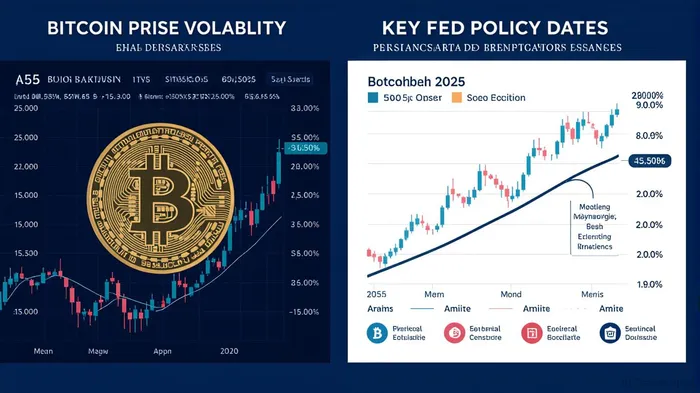
The Macroeconomic-Regulatory Interplay: A Tipping Point?
Bitcoin's valuation in late 2025 hinges on the delicate balance between macroeconomic easing and regulatory clarity. ETF inflows have provided a lifeline, but their sustainability depends on whether daily purchases exceed 2,500 BTC-a threshold linked to previous rally peaks, according to Gate. Conversely, structural challenges persist: Bitcoin miners like Bitdeer Technology Group, which reported a $266.7 million net loss in Q3 2025, exemplify the sector's fragility amid rising operational costs and post-halving reward reductions, according to Gate.
Experts argue that Bitcoin's next move will depend on how these forces converge. A Fed that prioritizes inflation control over growth could dampen crypto demand, while regulatory harmonization-such as the SEC's push for clarity on investment contracts-might stabilize investor confidence, according to Gate. Meanwhile, Bitcoin's correlation with macroeconomic data, like the October inflation report, suggests its price will remain tethered to broader economic narratives, according to Gate.
Conclusion: Navigating a Volatile New Normal
Bitcoin's 2025 volatility underscores its transformation from a speculative asset to a macro-sensitive one. While Fed policy and regulatory shifts remain pivotal, the crypto market's maturation-evidenced by ETF approvals and institutional entry-hints at a future where Bitcoin's valuation is increasingly decoupled from short-term shocks. For now, however, investors must navigate a landscape where every rate cut, regulatory update, and macroeconomic release carries the potential to redefine Bitcoin's trajectory.

Mezclando la sabiduría tradicional del comercio con las perspectivas de vanguardia en el área de las criptomonedas.
Latest Articles
Stay ahead of the market.
Get curated U.S. market news, insights and key dates delivered to your inbox.


AInvest
PRO
AInvest
PRO



Comments
No comments yet