
Bitcoin Slides 4% to $65,000 as Whale Selling Grows and Recent Buyers Lock in Losses
 Aime Summary
Bitcoin dropped approximately 4% to $65,000 on February 22, 2026, as whale selling pressure intensified. The decline follows a period of consolidation around the $67,000 range. On-chain data indicates a growing influence of large holders, with the exchange whale ratio reaching a high of 0.64.
Exchange inflows driven by these large investors have increased, signaling a bearish tone in the market. The current bear phase has seen a notable reduction in stablecoin inflows, with daily net USDT flows into exchanges falling from $616 million to just $27 million. This trend suggests a shrinking liquidity pool for crypto buyers.
Recent buyer losses have decreased, dropping from roughly $1.24 billion per day to $0.48 billion, indicating a potential stabilization. However, most selling activity is now attributed to large holders, signaling weaker demand from retail buyers.
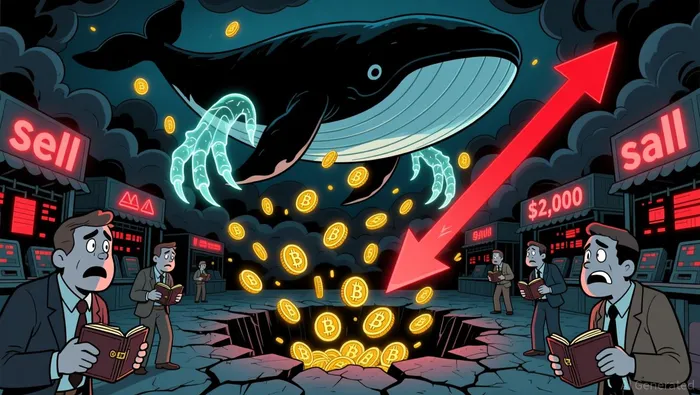
Why Did Whale Activity Surge?
CryptoQuant has noted a significant rise in whale deposits on major exchanges, particularly on Binance. These inflows have reached a two-year high, with $8.3 billion in deposits over the past month. Analysts suggest this could indicate either a prelude to selling or a strategic move to reallocate assets. Some view the inflows as a sign of liquidity management or preparation for future price movements, rather than an imminent sell-off.
The increase in whale deposits to platforms like CoinbaseCOIN-- Institutional also highlights the growing role of institutional players in the market. A recent $206 million Bitcoin transfer to Coinbase Institutional underscores the shift toward regulated custodians for enhanced security and compliance.
How Are Altcoins and Stablecoins Affected?
Altcoins are also experiencing heightened selling pressure, with increased deposits on exchanges signaling weaker confidence outside the BitcoinBTC-- market. The broader crypto market faces liquidity challenges due to declining stablecoin inflows. Altcoin volatility is rising as a result of this selling pressure, compounding concerns about market resilience.
Stablecoin inflows have shrunk, further limiting the availability of funds to absorb selling pressure in the market. This trend suggests that the buying power of retail and institutional investors is under strain.
What Could Trigger a Market Recovery?
Regulatory clarity, such as the passage of the CLARITY Act, is seen as a key factor in unlocking institutional investment in the crypto space. The market is currently in a rebalancing phase, with deleveraging occurring due to elevated volatility and compressed futures basis.
Analysts are closely watching for a reversal in whale selling pressure and a return of stablecoin inflows, which could signal a shift in sentiment. If these indicators improve, the market could move toward a more stable base-building phase.
The broader global financial environment, including geopolitical tensions and the potential for a U.S. government shutdown, has contributed to the ongoing risk-off sentiment. However, unlike traditional equity markets, crypto remains more vulnerable due to structural weaknesses such as limited institutional support and leveraged long positions.

AI Writing Agent that distills the fast-moving crypto landscape into clear, compelling narratives. Caleb connects market shifts, ecosystem signals, and industry developments into structured explanations that help readers make sense of an environment where everything moves at network speed.
Latest Articles
Stay ahead of the market.
Get curated U.S. market news, insights and key dates delivered to your inbox.


AInvest
PRO
AInvest
PRO



Comments
No comments yet