
Bitcoin's Sharp Decline: A Perfect Storm of Macroeconomic Pressures and Systemic Risks


 Aime Summary
Macroeconomic Headwinds: The Fed's Tight Grip and Inflation's Lingering Shadow
The Federal Reserve's unwavering commitment to a "somewhat restrictive" monetary policy has cast a long shadow over risk assets, including BitcoinBTC--. Cleveland Fed President Beth Hammack's recent remarks make it clear: inflation, stubbornly hovering around 3%, will remain above the 2% target for at least two to three years. This prolonged tightness is a double-edged sword. Higher interest rates not only make bonds and treasuries more attractive but also amplify the cost of leveraged positions in crypto-a critical factor as we'll soon explore.
Meanwhile, global trade tensions, particularly between the U.S. and China, have added another layer of uncertainty. Businesses may have absorbed some tariff-driven costs for now, but as Hammack warns, this is a "sustainability trap." For Bitcoin, which thrives on global liquidity and cross-border capital flows, such geopolitical friction acts as a drag on demand.
Systemic Risks: Leverage, Regulation, and the Domino Effect
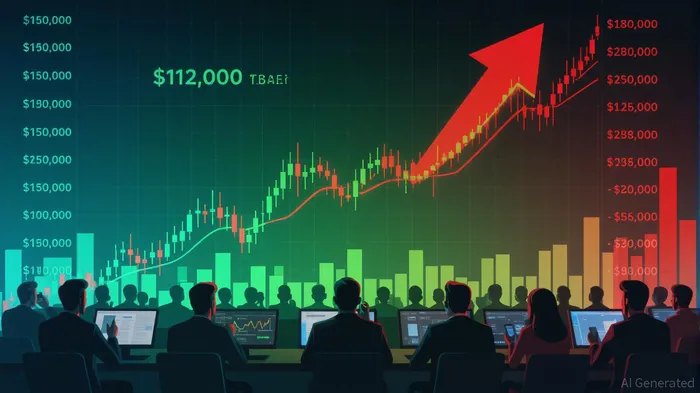
The 2025 crash wasn't just about macroeconomic forces-it was amplified by structural weaknesses in the crypto market itself. November's 6% drop in Bitcoin's price from $112,000 to under $106,000 triggered a cascade of leveraged liquidations totaling $1.27 billion in long positions and $250 million in short positions. This wasn't a mere correction; it was a stress test that exposed the fragility of a derivatives-heavy ecosystem.
Regulatory shifts compounded the chaos. The CFTC's announcement of plans to introduce leveraged spot crypto trading on U.S. exchanges forced traders to reposition, intensifying price swings. DeFi protocols like EulerEUL-- and BalancerBAL-- weren't immune either, suffering a $1.3 billion liquidation. These events underscore a critical truth: crypto's systemic risks are no longer confined to the fringes-they're now intertwined with traditional finance.
Institutional Paradox: Stabilizers or Catalysts?
Ironically, the same institutional players that were once hailed as stabilizing forces in crypto have become sources of concern. Strategy (MSTR), for instance, has continued aggressive Bitcoin accumulation even as prices fell, purchasing 8,178 BTC in its largest single transaction since July. While this signals conviction, it also raises questions: Are these moves driven by genuine belief in Bitcoin's long-term value, or are they desperate bids to offset earlier losses? The answer matters. When large actors double down during a crisis, they risk distorting market signals and exacerbating volatility.
The Road Ahead: Navigating the New Normal
For investors, the lesson is clear: crypto's systemic risks are no longer theoretical. The interplay of leverage, regulation, and macroeconomic cycles has created a volatile cocktail. Here's what to watch:
1. Fed Policy: Any hint of rate cuts could spark a short-term rally, but structural risks will persist until inflation is firmly under control.
2. Regulatory Clarity: The CFTC's leveraged trading plans are a double-edged sword-they could either bring much-needed institutional liquidity or deepen market fragility.
3. Leverage Management: Retail and institutional players alike must adopt advanced risk mitigation strategies, from derivatives hedging to AI-driven portfolio rebalancing.
Conclusion: A Call for Caution and Clarity
Bitcoin's 2025 crash is a wake-up call. It's not just about the price-it's about the cracks in the system. As macroeconomic pressures persist and regulatory frameworks evolve, the crypto market must grapple with its identity: Is it a speculative asset, a hedge, or something else entirely? For now, the answer remains elusive. But one thing is certain: investors who ignore systemic risks do so at their peril.

Blending traditional trading wisdom with cutting-edge cryptocurrency insights.
Latest Articles
Stay ahead of the market.
Get curated U.S. market news, insights and key dates delivered to your inbox.






Comments
No comments yet