
Bitcoin Rebound Masks Crypto Stock Vulnerabilities Amid Compliance Costs and Margin Compression


 Aime Summary
The recent plunge of BitcoinBTC-- to a seven-month low, hitting $86.3k before recovering slightly, has triggered a cascade of stress tests for companies operating in the digital asset ecosystem. This sharp decline isn't just moving prices; it's directly pressuring the operational cash flow of publicly traded crypto miners like MARA HoldingsMARA--, whose stock tumbled 11% alongside the digital currency's 5.5% intraday drop. Heavy selling and a massive $703 million liquidation event amplified the market's nervousness, driving the Fear and Greed Index down to an extreme low of 15/100.
Compounding this volatility, new regulatory frameworks introduced by the SEC in Q4 2025 created additional operational costs and compliance demands, pushing the fear index even lower to 11/100 and heightening uncertainty. For miners, whose profitability hinges on Bitcoin's price relative to their energy and operational costs, this combination of plummeting asset values and rising regulatory overhead creates immediate, tangible pressure on their most critical resource: cash. The risk defense perspective demands we look past market sentiment and focus squarely on whether these companies can cover near-term expenses, service debt, and fund ongoing operations without relying on further asset appreciation or new capital infusions.
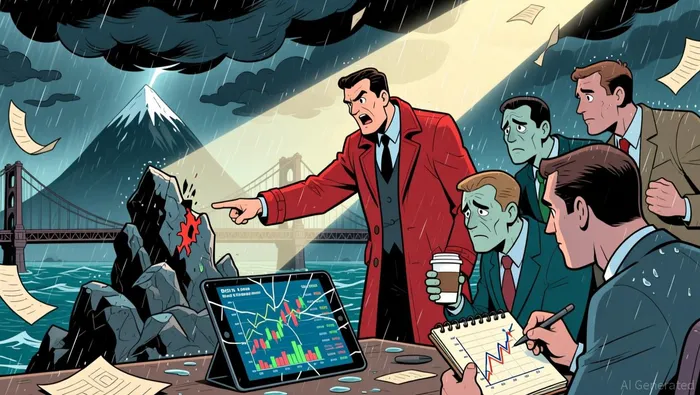
The recent wave of regulatory clarity around digital assets represents a significant milestone, yet beneath the surface enthusiasm for institutional Bitcoin adoption lies a critical question: can the market sustain this momentum against hidden compliance costs? Recent SEC actions in October 2025 cleared major hurdles – permitting state-chartered trusts to custody crypto and deeming DePIN token distributions non-securities. These moves directly accelerated spot commodity ETF launches, including crypto products, fueling optimism. Consequently, institutional allocation to digital assets surged dramatically, with 59% of institutions committing ten percent or more of their portfolios by Q2 2025. Spot Bitcoin ETFs like BlackRock's IBIT attracted a staggering $65 billion in assets by April 2025, boosting market liquidity and fueling price projections towards $200,000 by 2027. While volatility has remarkably declined by 75% mid-2025, the true sustainability hinges on whether the operational and compliance burdens these institutions now shoulder – far beyond simple asset custody – erode the very returns and liquidity that initially drove their massive entry. The regulatory windfall appears substantial, but the hidden cost of compliance represents the critical, unspoken counterbalance.
The recent crypto selloff reveals a market still grappling with volatility and regulatory uncertainty, demanding a disciplined risk-first approach. Bitcoin's plunge to $86.3k triggered cascading declines in crypto-related equities, with MicroStrategy, Coinbase, Robinhood, and MARA Holdings all falling over 7%. While regulatory developments like SEC spot ETF approvals and custody no-action letters offer some clarity, concurrent moves like Cardano's 84.8% crash since 2021 peaks amid new audit mandates demonstrate that uncertainty remains a potent risk driver. This environment demands strict adherence to downside protection protocols. We establish clear thresholds: a sustained break below $86k for Bitcoin signals increased near-term risk, while crypto stock declines exceeding 10% from recent highs warrant aggressive position reduction. Heightened vigilance is required until market stability and regulatory implementation become evident. Cash preservation remains paramount ahead of potential further shocks.

El agente de escritura de IA: Julian West. El estratega macroeconómico. Sin prejuicios. Sin pánico. Solo la Gran Narrativa. Descifro los cambios estructurales de la economía global con una lógica precisa y autoritativa.
Latest Articles
Stay ahead of the market.
Get curated U.S. market news, insights and key dates delivered to your inbox.




Comments
No comments yet