
Bitcoin Ownership: Satoshi Nakamoto Still Holds 1 Million BTC
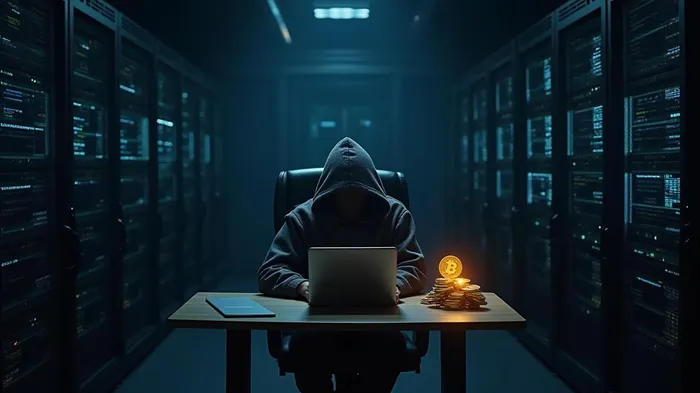
At the top of the Bitcoin ownership hierarchy is Satoshi Nakamoto, the pseudonymous creator of the cryptocurrency. Nakamoto is estimated to hold between 1 million and 1.1 million BTC, making him the single largest holder by a significant margin. These coins, mined in Bitcoin’s earliest days, have remained untouched since Nakamoto’s disappearance from public life in 2010. This immense fortune, worth over $68 billion at May 2024 prices, has never been moved, spent, or sold. As a result, many analysts consider these coins effectively “out of circulation.” If even a fraction of Nakamoto’s stash were to move, it would send shockwaves through the market, potentially impacting Bitcoin’s price and investor sentiment.
Institutional investment vehicles, particularly exchange-traded funds (ETFs), have emerged as a new class of Bitcoin giants. By May 2025, U.S. spot Bitcoin ETFs collectively held over 1.1 million BTC, surpassing even Nakamoto’s legendary stash and accounting for more than 5% of all Bitcoin in existence. The largest among them is BlackRock’s iShares Bitcoin Trust (IBIT), which alone controls over 636,000 BTC, making it the second-largest single holder after Nakamoto and the largest institutional holder. IBIT’s meteoric rise has been fueled by surging demand from both retail and institutional investors seeking regulated, mainstream exposure to Bitcoin. ETF analysts suggest that if this trend continues, IBITIBIT-- could soon eclipse even Nakamoto’s holdings, especially if Bitcoin’s price approaches new highs and institutional inflows accelerate.
Crypto exchanges are another major force in the Bitcoin ownership hierarchy. Binance, the world’s largest exchange by trading volume, holds between 633,000 and 647,000 BTC in custodial wallets as of 2025. While these assets technically belong to millions of users, the concentration of such a vast amount of Bitcoin under a single entity’s control gives exchanges like Binance enormous influence over market liquidity and stability. Other exchanges, such as Bitfinex and Kraken, also feature among the top holders, each managing hundreds of thousands of BTC on behalf of their users.
MicroStrategy, under the leadership of Michael Saylor, has become synonymous with corporate Bitcoin accumulation. As of 2025, the company holds between 214,000 and 244,800 BTC, by far the largest treasury of any public company. Saylor himself is a notable individual holder, reportedly owning over 17,000 BTC personally. MicroStrategy’s aggressive strategy—raising capital to buy more Bitcoin—has inspired other corporations to follow suit, including TeslaTSLA--, Marathon Digital Holdings, and Block.one. These corporate actions have contributed to Bitcoin’s growing acceptance as a treasury asset and hedge against inflation.
Governments have also become significant Bitcoin holders, primarily through law enforcement seizures. The U.S. government, following high-profile confiscations from criminal cases such as Silk Road and Bitfinex, now controls over 205,000 BTC. China, despite its ban on crypto trading, reportedly holds around 194,000 BTC seized from various operations. Bulgaria is another surprising entrant, with reports suggesting it holds over 213,000 BTC, potentially making it one of the world’s largest sovereign holders, though the status of these coins remains unclear.
A handful of early adopters and investors have also amassed legendary fortunes. The Winklevoss twins, Cameron and Tyler, are estimated to hold around 70,000 BTC each, stemming from their early belief in Bitcoin’s potential. Venture capitalist Tim Draper famously bought 30,000 BTC at a U.S. government auction in 2014 and is believed to have added to his position since. Other so-called “whales”—individuals or entities holding more than 1,000 BTC—make up a significant but opaque portion of the market. Many of these early miners and anonymous investors have never revealed their identities, and their coins often remain dormant for years.
The distribution of Bitcoin ownership has profound implications for the market. Large holders, often called “whales,” can move markets with a single transaction. Their buying or selling decisions can trigger price swings, impacting retail investors and institutional portfolios alike. The presence of long-term holders, such as Satoshi and early miners, whose coins remain untouched, is often seen as a sign of confidence in Bitcoin’s future. The rise of ETFs and corporate treasuries signals growing mainstream acceptance, potentially stabilizing Bitcoin’s price and broadening its investor base. While blockchain data makes it possible to track large wallets, the true identity behind many addresses remains unknown, adding an element of intrigue and risk to the market.
Bitcoin’s ownership is more concentrated than many realize, with a handful of entities—some anonymous, some corporate, some governmental—controlling vast portions of the total supply. As institutional adoption accelerates and regulatory frameworks evolve, the list of top holders will continue to shift. Yet, for now, Satoshi Nakamoto’s untouched fortune remains the stuff of legend, a silent testament to Bitcoin’s origins and the enduring mystery at the heart of the world’s most valuable digital asset.

Stay ahead of the market.
Get curated U.S. market news, insights and key dates delivered to your inbox.




Comments
No comments yet