
Bitcoin News Today: Welsh Engineer Abandons Decade-Long Quest to Retrieve $950M in Lost Bitcoin
 Aime Summary
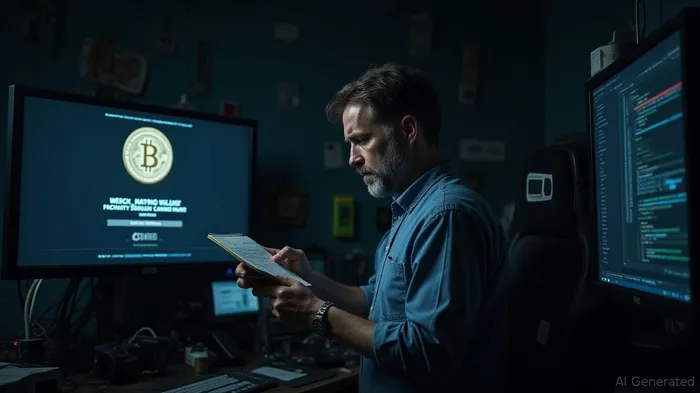
James Howells, a Welsh IT engineer, has officially abandoned his decade-long attempt to recover a hard drive containing the private keys to 8,000 Bitcoin, now valued at approximately $950 million [1]. The hard drive was accidentally discarded in 2013 during a routine office cleanup, a mistake that has since transformed into one of the most infamous cases of "Lost Bitcoin" in the cryptocurrency world. At the time of disposal, the Bitcoin was worth around $6.5 million, but its current value reflects the explosive growth of the digital asset over the past decade [1].
Howells' attempts to retrieve the hard drive from a landfill in Newport, Wales, were met with consistent rejections from local authorities. Concerns over environmental hazards, financial liabilities, and the sheer logistical difficulty of locating a single hard drive amid tons of compacted waste were cited as key reasons for the denials [1]. Howells proposed various solutions, including AI-powered sorting systems and sharing a portion of the recovered value with the council, but these efforts were ultimately unsuccessful [1].
The incident underscores the fundamental nature of self-custody in the world of cryptocurrencies. Unlike traditional banking systems, where institutions safeguard assets, crypto holders are solely responsible for the security of their private keys. If these keys are lost, the associated funds become irrecoverable—effectively turning them into "Lost Bitcoin" [1]. Experts in the space have long emphasized the importance of secure storage practices, including the use of hardware wallets, redundant backups, and careful management of digital estate planning [1].
While Howells' case is among the most publicized, it is far from unique. It is estimated that millions of Bitcoin are currently inaccessible due to lost keys, forgotten passwords, or destroyed storage devices. These lost coins contribute to a supply reduction, subtly influencing the market by keeping certain amounts permanently out of circulation [1].
Howells' decision to cease his efforts marks the end of a long and futile search. The story serves as a cautionary tale for both new and experienced crypto investors, highlighting the irreversible consequences of mismanaging digital assets. As the industry continues to evolve, the importance of education and responsible storage practices remains paramount [1].
The finality of Howells' choice reflects the unyielding nature of blockchain technology—once a transaction is made, it cannot be undone. The same technology that offers unprecedented financial autonomy also demands a level of responsibility and foresight that traditional finance does not require [1].
Source: [1] https://coinmarketcap.com/community/articles/6890371fb3afd664ab383019/

Stay ahead of the market.
Get curated U.S. market news, insights and key dates delivered to your inbox.


AInvest
PRO
AInvest
PRO



Comments
No comments yet