
Bitcoin News Today: Trump Signs Crypto Laws Bitcoin Falls 2%
 Aime Summary
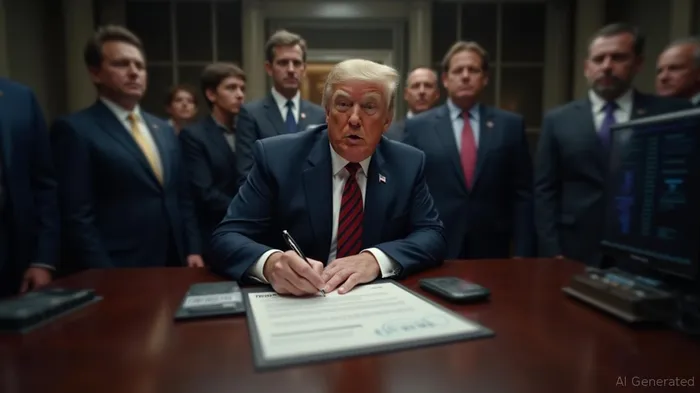
President Donald Trump signed the GENIUS Act, CLARITY Act, and anti-CBDC legislation into law on Friday, which was widely celebrated by crypto supporters as a turning point for the industry. However, Peter Schiff, a prominent economist and financial commentator, has a different perspective. Schiff argues that the real motive behind these laws is to pump Bitcoin’s image and help insiders exit at inflated prices. He believes that these laws do not strengthen the economy but rather pave the way for a deeper dollar crisis.
Schiff's concerns extend to Trump's hint at an executive order enabling retirement accounts to invest in digital assets. Schiff believes that this move would further destabilize the U.S. monetary system. He wrote on X, “Bitcoiners may cheer for a dollar crash, but gold will outlast them all when Bitcoin collapses too.”
Despite claims from some crypto executives that stablecoin laws will reinforce U.S. dollar dominance, Schiff dismissed the idea outright. He warned that dollar-backed stablecoins are no more stable than the currency they mirror—and that both are headed for decline. The market responded with skepticism, with Bitcoin falling 2% on the day, while major altcoins also pulled back after a strong rally, suggesting a classic “sell-the-news” moment.
Schiff's concerns stem from the belief that the U.S. government's attempts to control and regulate cryptocurrencies will ultimately fail. He points out that the decentralized nature of cryptocurrencies makes them resistant to government interference, and that any attempt to impose regulations could drive investors towards more secure and private digital assets. This, in turn, could lead to a loss of confidence in the U.S. dollar, as investors seek alternatives to protect their wealth.
The economist also warns that the proposed laws could have unintended consequences for the broader economy. He argues that the integration of cryptocurrencies into the traditional financial system could lead to increased volatility and instability, as digital assets are known for their price fluctuations. This could have a ripple effect on other markets, including stocks and bonds, and could ultimately lead to a broader economic crisis.
Schiff's comments come at a time when the U.S. dollar is already facing challenges from other currencies and digital assets. The rise of cryptocurrencies, such as Bitcoin and Ethereum, has led to a growing debate about the future of money and the role of central banks. Some analysts believe that digital assets could eventually replace traditional currencies, while others argue that they will coexist with fiat money.
The proposed crypto laws by Trump have sparked a heated debate among economists and financial experts. While some support the idea of integrating cryptocurrencies into the traditional financial system, others, like Schiff, warn of the potential risks and unintended consequences. The outcome of this debate will have significant implications for the future of the U.S. dollar and the global economy.

Stay ahead of the market.
Get curated U.S. market news, insights and key dates delivered to your inbox.


AInvest
PRO
AInvest
PRO



Comments
No comments yet