
Bitcoin News Today: Trump Order May Bring $174 Billion to Crypto via 401(k) Plans
 Aime Summary
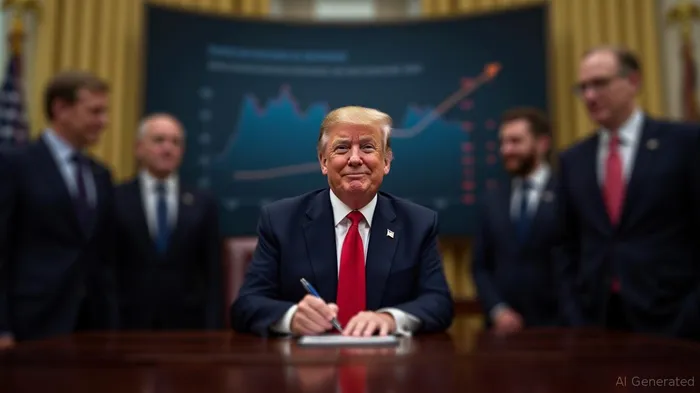
President Donald Trump is set to sign an executive order that could significantly alter the U.S. retirement landscape by allowing cryptocurrencies like Bitcoin into 401(k) and IRA accounts. This move could mark a historic turning point in mainstream crypto adoption, offering millions of Americans unprecedented control over how they invest for retirement. The U.S. retirement market, valued at over $9 trillion, could soon provide direct access to Bitcoin and other digital assets, potentially bringing $174 billion in inflows into the digital asset market if even a conservative allocation of 2% is made.
Currently, most U.S. retirement accounts are restricted to traditional securities such as mutual funds and index-tracking ETFs. Crypto investments, while technically allowed in self-directed IRAs, remain off-limits in most 401(k) plans due to Department of Labor (DOL) guidance that labels them as too risky. If implemented, Trump’s order would reverse Biden-era DOL policies and create a regulatory path for managed retirement plans to include Bitcoin, Ethereum, stablecoins, and potentially tokenized securities.
The executive order would direct federal agencies to reassess fiduciary standards to allow crypto in diversified plans, eliminate outdated restrictions on alternative asset exposure, and provide a framework for custody, reporting, and consumer protections. Asset management firms like BlackRockBLK--, Fidelity, and Apollo, which have been pushing for access to retirement capital, stand to benefit significantly. Some of these firms are already preparing crypto fund offerings that could be quickly integrated into retirement platforms if regulation allows.
The executive order would likely give employers and plan administrators more flexibility in structuring retirement products. This could mean the addition of crypto ETFs, including spot Bitcoin and Ethereum funds, to target-date funds, access to diversified digital asset baskets in managed portfolios, and more room for self-directed 401(k)s to directly hold crypto through regulated custodians. While participation would remain voluntary, the shift would open new options for savers seeking growth assets or inflation hedges in a post-dollar-dominant economy.
The Trump administration has reportedly said the move is about “economic empowerment and investor freedom,” echoing his campaign promises to “unleash American innovation” and “end regulatory overreach.” The executive order would align with recent reversals in federal agency guidance. In May, the Department of Labor withdrew a 2022 bulletin that had cautioned against crypto in retirement accounts. The agency said it needed to “adapt to evolving market conditions and investment strategies.”
Legislation to extend retirement investment types has been in the works at least since 2022. The Retirement Savings Modernization Act, sought to change the Employee Retirement Income Security Act (ERISA) to encompass crypto and other alternatives. Though the bill never became law, that language now is guiding administrative action. At the state level, momentum has already built around crypto in retirement planning. North Carolina introduced two bills this year proposing that state pension funds allocate up to 5% to crypto. Michigan’s retirement system disclosed holdings of $6.6M in Bitcoin ETFs and $10M in Ethereum ETFs. Wisconsin’s Investment Board revealed $163M worth of spot Bitcoin ETF exposure in its portfolio. These new entrants demonstrate growing institutional demand for regulated crypto exposure, particularly among public pension funds looking to diversify in a high-interest rate environment.
Trump’s new crypto push has been seen by many as a tactical political play to drum up support from younger voters, crypto supporters, and financial freedom advocates. The crypto community played a role in Trump’s 2024 electoral comeback. His administration has since reversed course on suffocating crypto policies and implied there may be exemptions from capital gains taxes for small crypto sales, a huge incentive for retail adoption. Trump’s media holdings include a large digital presence and he’s spent on digital ads. Donald Trump has also launched his own stablecoin project and supported crypto-friendly legislation. These moves make him the most crypto-aligned U.S. president yet. The executive order that is expected to be unveiled goes much further than symbolism, providing concrete structural change that could reshape the way the American people accrue wealth in the digital era.

Stay ahead of the market.
Get curated U.S. market news, insights and key dates delivered to your inbox.
AInvest
PRO
AInvest
PRO



Comments
No comments yet