
Bitcoin News Today: Trump's China Tariff Suspension Sparks Labor Outcry Over U.S. Shipyard Survival


 Aime Summary
Donald Trump's administration faces mounting criticism over a controversial trade agreement with China that suspends tariffs on shipbuilding-related imports, a move labor unions warn could devastate the domestic maritime industry and cost American workers billions in potential refunds. The decision, part of a broader truce between the U.S. and China, has drawn sharp rebukes from groups like the United Steelworkers, which argue the policy prioritizes corporate interests over revitalizing a critical domestic sector. The unions, joined by the International Association of Machinists and others, labeled the suspension of Section 301 tariffs as a "free pass" for China and warned it undermines long-term planning for U.S. shipyards Unions Slam Trump for Giving China a Pass on Shipbuilding.
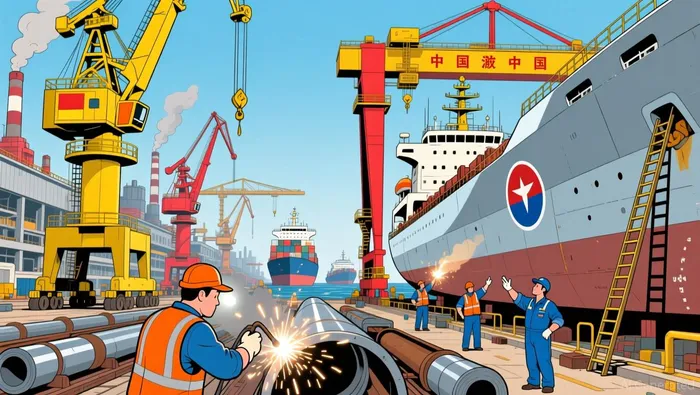 The agreement, announced after Trump's recent summit with Chinese President Xi Jinping, pauses tariffs on Chinese-built ship-to-shore cranes and merchant ships operating in U.S. ports. In exchange, China agreed to halt retaliatory measures. However, the unions emphasized that the move creates "uncertainty" at a time when the U.S. needs stable policies to rebuild its shipbuilding capacity, a sector vital for national security and economic resilience. The decision also comes amid a government shutdown that delayed key economic data releases, further complicating assessments of the deal's short-term impact Supreme Court Temporarily Halts Order That Would Require Trump Administration to Pay Full SNAP Benefits.
Trump's trade policies have also drawn scrutiny in other domains. The administration has launched 175 investigations into H-1B visa abuses, targeting tech firms accused of exploiting foreign workers by underpaying them or failing to notify authorities of terminations. The Labor Department reported over $15 million in potential refunds owed to affected workers, highlighting concerns about wage suppression for both visa holders and American employees Trump administration launches 175 investigations into H-1B visa abuse. Meanwhile, Trump has dismissed affordability concerns, insisting inflation is easing and vowing to crack down on meatpacking companies for alleged price-fixing. Yet consumer sentiment remains low, with the Federal Reserve noting that tariffs have stoked uncertainty among businesses, particularly in manufacturing Trump Dismisses Affordability Concerns, Insists Prices Are Coming Down.
In contrast, a separate development in the economic landscape highlights innovation: Jack Dorsey's Square has enabled BitcoinBTC-- payments for 4 million U.S. merchants, marking a significant step toward mainstream cryptocurrency adoption. The feature, which allows businesses to accept Bitcoin via Square's point-of-sale systems, is backed by Dorsey's vision of Bitcoin as "the internet's money." The rollout, which waives processing fees through 2027, has drawn praise from crypto advocates and merchants, though it remains to be seen how it will integrate with broader economic policies Jack Dorsey's Square Launches Bitcoin Payments for 4M ....

Entiendan rápidamente la historia y el contexto de varias monedas conocidas
Latest Articles
Stay ahead of the market.
Get curated U.S. market news, insights and key dates delivered to your inbox.


AInvest
PRO
AInvest
PRO



Comments
No comments yet