
Bitcoin News Today: Treasury Reaffirms Bitcoin Reserve Expansion via Budget-Neutral Means
 Aime Summary
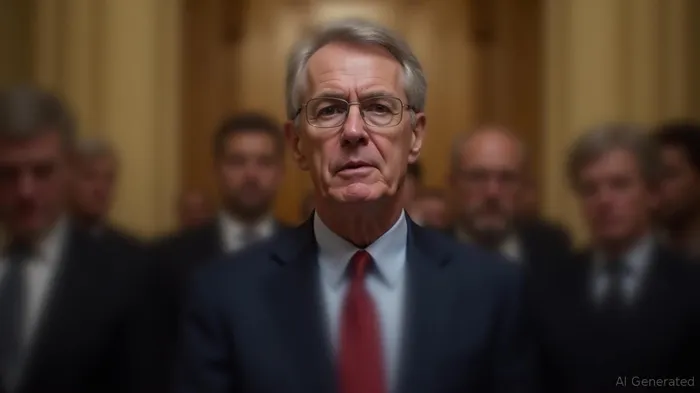
Treasury Secretary Scott Bessent reversed his earlier position on August 14, clarifying that the U.S. government remains open to expanding its strategic BitcoinBTC-- reserve through "budget-neutral pathways." This shift followed comments made during a morning television interview where he stated the reserve would not see further purchases of the cryptocurrency [1]. The change in tone prompted speculation that the government may revisit strategies to acquire more Bitcoin, though no specific method has been outlined.
Bessent emphasized that the Strategic Bitcoin Reserve—established in March 2025 through an executive order—currently holds between $15 billion and $20 billion in Bitcoin, largely from law enforcement seizures. While he initially ruled out new purchases, he later affirmed the Treasury's commitment to exploring ways to add to the reserve without increasing the federal deficit [1]. In fiscal policy, budget neutrality typically involves reallocating existing funds, liquidating assets, or generating new revenue to offset costs. Bessent did not elaborate on which approach might be pursued.
The Strategic Bitcoin Reserve is part of a broader effort to integrate digital assets into U.S. financial policy, with supporters arguing it can diversify national reserves, hedge against inflation, and strengthen the country’s position in global currency competition [1]. However, the current strategy relies entirely on seized Bitcoin, and there is no publicly available roadmap for future acquisitions beyond that.
The Treasury’s revised stance emerged during a volatile period for Bitcoin. The cryptocurrency reached a record high above $124,000 before dropping to around $117,000 later the same day, amid mixed economic signals. Stronger-than-expected inflation data led to reduced expectations of a Federal Reserve rate cut in September, contributing to the downward pressure [1]. As of 11:16 pm UTC on August 14, Bitcoin was trading at $118,135.87, down 3.94% in the previous 24 hours.
Bessent’s backtracking also comes at a time of transition within the administration’s digital assetDAAQ-- team. Earlier in the month, Bo Hines, who played a key role in designing the reserve, stepped down from his position [1]. His departure has raised questions about the future direction and timeline of the program, with some observers suggesting potential adjustments may be on the horizon.
The evolving statements from senior officials highlight the administration’s ongoing exploration of a comprehensive approach to digital assets. While the government has shown a willingness to embrace Bitcoin, it remains unclear how this will translate into concrete policy, particularly in balancing regulatory oversight with economic growth [1].
Source: [1] Bessent Backtracks on Bitcoin: Treasury Committed to 'Budget ... (https://finance.yahoo.com/news/bessent-backtracks-bitcoin-treasury-committed-201757732.html)

Stay ahead of the market.
Get curated U.S. market news, insights and key dates delivered to your inbox.


AInvest
PRO
AInvest
PRO



Comments
No comments yet