
Bitcoin News Today: Senator Lummis Proposes Gold-to-Bitcoin Shift to Bolster U.S. Crypto Reserves
 Aime Summary
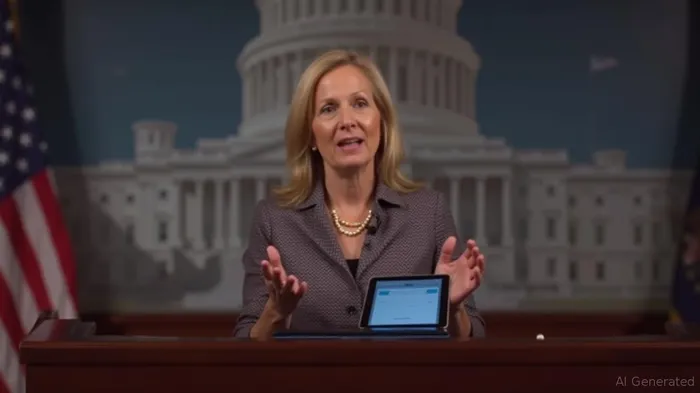
Senator Cynthia Lummis (R-WY) has proposed a bold strategy to expand U.S. BitcoinBTC-- reserves by revaluing government-held gold assets, a move intended to finance the acquisition of Bitcoin without adding to the national debt [1]. The initiative, part of Lummis’s broader push for a national digital asset strategy, could mark a significant shift in U.S. fiscal and financial policy and reinforce America’s position in the rapidly evolving crypto landscape [1]. Speaking on the matter, Lummis emphasized the role of Bitcoin as a hedge against U.S. debt and a tool for maintaining national solvency, calling it a “store of value” that could be integrated into the government’s fiscal toolkit [1].
This proposal aligns with Lummis’s long-standing advocacy for digital assets and is being advanced alongside high-ranking administration figures, including Treasury Secretary Scott Bessent and Commerce Secretary Howard Lutnick, both of whom are supportive of budget-neutral strategies for acquiring Bitcoin [1]. The initiative reflects a growing bipartisan consensus around the need to modernize financial policies and incorporate digital assets into national economic planning [1]. Lummis has previously introduced the BITCOIN Act of 2025, which authorizes the Treasury to acquire 1 million Bitcoin over five years, laying the groundwork for the U.S. Strategic Bitcoin Reserve [1].
The potential implications of the strategy are far-reaching. By leveraging existing assets—namely gold—rather than incurring new debt, the U.S. government could reshape its approach to asset management and financial policy [1]. Analysts have noted that historical trends indicate that legislative efforts around digital assets often correlate with increased market activity and regulatory clarity [1]. If implemented, the strategy could influence global markets, prompting other nations to explore similar methods of expanding digital asset holdings and fostering broader discussions on the role of cryptocurrencies in national economies [1].
Lummis’s advocacy is not limited to Bitcoin reserves. She has also championed the 21st Century Mortgage Act, which would allow digital assets to be considered as eligible collateral for mortgage applications [2]. This aligns with demographic trends indicating a generational shift in wealth-building strategies, with younger Americans showing a strong preference for digital assets [2]. According to recent data, 21% of U.S. adults own cryptocurrency, and 67% of crypto holders are under the age of 45 [2]. These figures underscore the growing relevance of digital assets and the need for government policies to adapt accordingly [2].
In her broader legislative campaign, Lummis has also pushed for the removal of taxes on small crypto transactions, aiming to enhance the usability and accessibility of digital currencies for everyday consumers [4]. These efforts, combined with her work on the BITCOIN Act and other crypto-related legislation, reflect a comprehensive vision for integrating digital assets into the U.S. financial system [1]. Her influence is already evident at the state level, particularly in Wyoming, where she has helped establish a crypto-friendly regulatory environment and introduced a new stablecoin initiative [1].
While the initiative has received support from pro-crypto lawmakers and industry figures, it has also drawn resistance from certain Wall Street groups that have expressed concerns about the potential risks and regulatory complexities of expanding the government’s involvement in crypto [3]. Nonetheless, the momentum behind Lummis’s proposals is growing, particularly with the TrumpTRUMP-- administration signaling strong backing for the crypto industry [1]. As more crypto-related legislation moves through Congress, the regulatory landscape is expected to evolve significantly in the coming months [5].
Source:
[1] https://www.instagram.com/p/DNqQdzqx7kr/
[2] https://bitcoinist.com/senator-lummis-champions-new-crypto-bill/
[3] https://subscriber.politicopro.com/article/2025/08/banks-crypto-influence-lobby-washington-republicans-industry-00520995
[4] https://bitcoinpie.online/senator-lummis-urges-elimination-of-taxes-on-small-crypto-payments-on-cnbc-2/
[5] https://cryptonews.com/news/weekly-crypto-regulation-news-lawmakers-split-on-crypto-policy-as-treasury-weighs-genius-act-wyoming-launches-stablecoin/

Stay ahead of the market.
Get curated U.S. market news, insights and key dates delivered to your inbox.


AInvest
PRO
AInvest
PRO



Comments
No comments yet