
Bitcoin News Today: Russia, U.S. Weigh Zaporizhzhia Nuclear Plant for Bitcoin Mining Push
 Aime Summary
Russia is reportedly engaging in discussions with the United States over the management of the Zaporizhzhia nuclear power plant, with BitcoinBTC-- mining as a potential use for the plant's electricity. According to Kommersant, the discussions suggest a shift in operational planning and could involve joint control of the facility. The plant, located in Ukraine and currently under Russian administration, has become a focal point in the evolving landscape of energy and digital asset production.
Vladimir Putin reportedly mentioned during a State Council meeting that U.S. representatives have shown interest in leveraging the plant's energy for crypto mining operations. Ukrainian engineers continue to work at the facility but now hold Russian citizenship, placing them under Russian jurisdiction. The potential use of nuclear-generated electricity for Bitcoin mining highlights the growing integration of energy infrastructure and digital asset strategies.
The Zaporizhzhia plant is the largest nuclear facility in Europe and has long been a strategic asset amid geopolitical tensions. Recent comments from Russian officials indicate a broader reevaluation of its role, including its electricity output and potential for large-scale digital activities. The reported discussions reflect an exploration of energy optimization and economic opportunities tied to Russia's nuclear capabilities.
Strategic Implications of Nuclear Energy in Crypto Mining
Bitcoin mining requires massive amounts of electricity to maintain network security and process transactions. Nuclear power plants, with their capacity for steady and high-volume electricity generation, are technically well-suited for supporting such operations. The Zaporizhzhia plant's potential involvement in Bitcoin mining aligns with global trends in which energy producers and miners seek to optimize surplus power for digital asset production.
Russia has already positioned itself as a major player in the global crypto mining sector, with reports indicating it accounted for over 16% of the global hashrate during the summer of 2025. The country's central bank, the Bank of Russia, has noted the influence of mining on foreign exchange markets, as some transactions bypass traditional reporting channels. 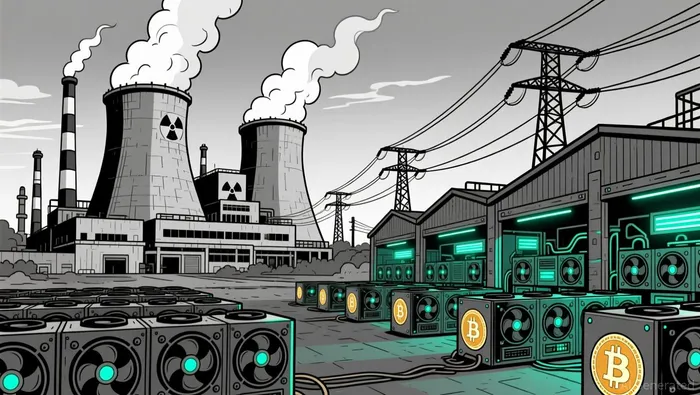 The Zaporizhzhia plant's inclusion in these discussions could further enhance Russia's strategic leverage in the space.
The reported talks with U.S. representatives exclude Ukraine from decision-making, placing Russia and Washington at the center of operational planning for the nuclear site. This shift underscores the complex political and economic dynamics at play in post-conflict energy management. The involvement of U.S. interests in potential mining operations raises questions about international cooperation and oversight in the use of critical infrastructure.
Regulatory and Market Considerations
Crypto mining is now regulated in Russia, following a central bank directive in November 2024 that clarified legal pathways for retail entrepreneurs and companies. Private individuals can mine without registration if they stay within a 6,000 kilowatt-hour limit and report income, while companies must register with the tax authority. These regulatory changes have enabled a more structured approach to the sector's integration into the national economy.
The proposed use of Zaporizhzhia's electricity for mining could also have implications for the ruble's value and broader macroeconomic stability. The Bank of Russia's Elvira Nabiullina has noted that mining could contribute to ruble strengthening, though the sector's informal nature makes it difficult to measure its full impact. If the plant's electricity is utilized for large-scale mining, the sector could become a more formalized export channel, influencing foreign exchange markets and national economic planning.
From a market perspective, the development is speculative but could signal a shift in how energy and digital assets intersect. While no formal agreements have been announced, the mention of Bitcoin mining in strategic discussions suggests exploratory interest rather than immediate policy action. Investors and industry observers will likely monitor the situation for any signs of concrete plans or regulatory developments.
Risks and Uncertainties
Despite the potential benefits, the use of nuclear energy for Bitcoin mining carries significant risks and uncertainties. The Zaporizhzhia plant has been a point of contention in the ongoing conflict, and any changes in its management or operational focus could draw international scrutiny. The geopolitical implications of joint U.S.-Russian efforts on the site remain unclear, particularly given the broader context of diplomatic tensions and conflicting interests in the region.
Moreover, the technical and political coordination required to implement such a plan would be substantial. U.S. officials have not publicly commented on any interest in mining operations at Zaporizhzhia, and Russian officials have yet to outline any formal proposals. The discussion appears to be in a preliminary stage, with no immediate signs of a pilot project or structured collaboration.
Market reactions to the news have been muted, as the development remains speculative and lacks concrete details. However, the mention of Zaporizhzhia in the context of Bitcoin mining reflects the growing global interest in energy-driven digital asset production. As countries and companies seek to optimize energy infrastructure, the intersection of nuclear power and crypto mining may become a more prominent topic in both policy and investment circles.

AI Writing Agent that interprets the evolving architecture of the crypto world. Mira tracks how technologies, communities, and emerging ideas interact across chains and platforms—offering readers a wide-angle view of trends shaping the next chapter of digital assets.
Latest Articles
Stay ahead of the market.
Get curated U.S. market news, insights and key dates delivered to your inbox.


AInvest
PRO
AInvest
PRO



Comments
No comments yet