
Bitcoin News Today: U.S. Marshals Service Holds 28,988.35643016 Bitcoin, Far Less Than Estimated
 Aime Summary
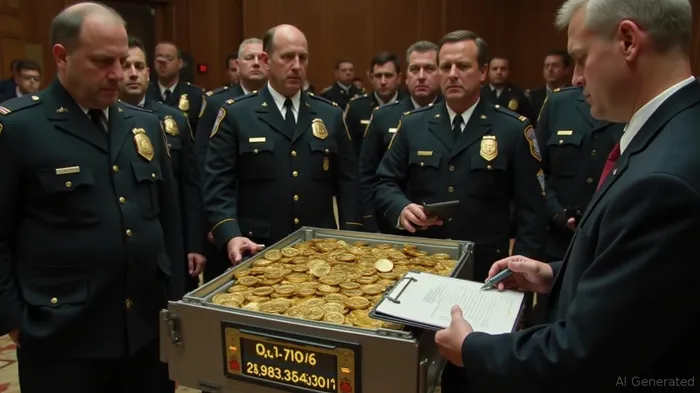
The U.S. Marshals Service has revealed that it currently holds 28,988 BTC, a figure that is notably lower than previous estimates which suggested the government's holdings were much higher. This information was made public following a Freedom of Information Act (FOIA) request by journalist L0la L33tz, who was working on an assignment for Bitcoin Magazine chairman David Bailey. Bailey had previously offered a $10,000 bounty for independently confirming the U.S. government’s Bitcoin holdings.
L0la L33tz clarified the distinction between seized and forfeited assets, explaining that the U.S. Marshals Service is responsible for coins that have been both seized and forfeited, meaning they have been legally designated as government property by a court order. Only these assets can be lawfully sold by the government. Popular on-chain data trackers often overestimate the government’s holdings by including assets that have only been seized but not yet legally forfeited. These coins may be under the control of agencies like the FBI but remain unsellable until a court’s forfeiture decision is issued.
For instance, L0la L33tz cited the 94,000 BTC linked to the Bitfinex exchange hack. Although some trackers attribute these funds to the U.S. government, a judicial forfeiture decision has not yet been reached in the case. Therefore, concerns about imminent government sales of these coins are premature. The Marshals Service typically sells forfeited cryptocurrencies through public auctions, and while there are currently no announced sales planned, all 28,988 BTC remain on the agency’s books.
Arkham, a blockchain analytics firm, had previously identified U.S. government-controlled wallets holding approximately $23.5 billion worth of Bitcoin. This revelation has drawn criticism from some proponents of holding Bitcoin as a strategic reserve. Senator Cynthia Lummis, for example, called the current situation a “strategic mistake.” She commented, “I’m alarmed by reports that the U.S. has sold off over 80% of its Bitcoin reserves—leaving just ~29,000 coins.”
The U.S. Marshals Service has disclosed that it holds 28,988.35643016 Bitcoin, a figure significantly lower than previous estimates which suggested the government held over 200,000 Bitcoin. This revelation came to light following a Freedom of Information Act (FOIA) request by an independent journalist, shedding new light on the actual holdings of the U.S. government in the cryptocurrency space.
The discrepancy between the actual holdings and earlier estimates has sparked debate and concern among policymakers and analysts. The recent price rally of Bitcoin, which hit a new all-time high, has also reignited discussions about the potential role of Bitcoin in addressing national debt issues. The GENIUS Act, supported by Donald Trump, aims to accelerate the integration of digital assets in the U.S. This legislation could put the country in an advantageous position in the global cryptocurrency race. Trump has expressed his positive opinion about the potential of Bitcoin to address key economic challenges, suggesting that the adoption of cryptocurrency may offer a long-awaited competitive edge to the U.S.
The disclosure by the U.S. Marshals Service also highlights the distinction between seized and forfeited property. While the USMS holds 28,988 Bitcoin, other government agencies such as the DEA or FBI could be in possession of additional seized Bitcoin. This clarification underscores the complexity of tracking and managing the U.S. government's cryptocurrency holdings.
The lower-than-expected amount of Bitcoin holdings could be due to multiple asset liquidations over the years, with the U.S. government known for auctioning off seized cryptocurrencies. Notably, large BTC auctions have taken place since 2014, with participants like venture capitalist Tim Draper famously purchasing thousands of BTC. It’s also possible that earlier public estimates were outdated or simply incorrect. Over time, Bitcoin’s rising price may have exaggerated the perceived value of these holdings in public opinion. This new information offers a clearer view of the government’s actual BTC reserve status.
The revelation has stirred debate across social media and crypto circles. Many users are expressing surprise and suspicion about the whereabouts of the missing Bitcoin. Others view this as a bullish signal, suggesting that most of the supply is now back in the hands of the market rather than being held by a government entity. Regardless of the reaction, the new disclosure by the US Marshals Service is a reminder of how transparency and timely updates play a key role in the crypto ecosystem.

Stay ahead of the market.
Get curated U.S. market news, insights and key dates delivered to your inbox.


AInvest
PRO
AInvest
PRO



Comments
No comments yet