
Bitcoin News Today: Florida Sheriff Returns Seized Bitcoin After Court Ruling Under Forfeiture Act
 Aime Summary
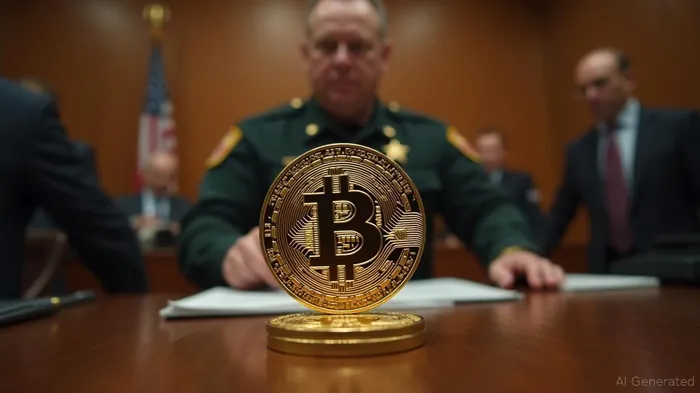
Florida sheriff’s offices have returned seized Bitcoin following court orders, signaling a shift in how law enforcement agencies are handling digital asset forfeiture in the face of legal challenges. The Volusia County Sheriff’s Office, for example, was mandated to return 1.19121 BTC to its rightful owner under the Florida Contraband Forfeiture Act after a court determined the seizure was unlawful. The transfer was facilitated in coordination with the cryptocurrency exchange Kraken, highlighting the technical complexities involved in managing and returning digital assets [1].
This incident underscores the broader challenges law enforcement faces in applying traditional asset forfeiture laws to cryptocurrencies. Unlike tangible assets, digital currencies require specialized knowledge in wallet management and secure transfers. These challenges include determining jurisdictional authority, handling custody of encrypted assets, and ensuring compliance with evolving legal standards. Leslie Sammis, a criminal defense attorney, noted that the Lake County Sheriff’s Office is still holding a separate Bitcoin seizure pending further court orders, illustrating the cautious approach being taken in these cases [1].
Legal experts emphasize that this case may prompt procedural reforms in future digital asset seizures. The complexity of managing cryptocurrencies has led to increased scrutiny over how law enforcement handles such assets, with calls for clearer legal guidelines and judicial oversight to prevent wrongful forfeitures. Kanalcoin reported that while this case does not significantly impact the broader Bitcoin market, it could influence how authorities nationwide approach cryptocurrency-related asset seizures [1].
The return of the seized Bitcoin has also raised questions about the balance between law enforcement objectives and the rights of asset owners. The Florida Contraband Forfeiture Act permits law enforcement to seize assets linked to criminal activity, but its application to digital assets remains legally nuanced. The need for strict adherence to legal procedures is evident, particularly given the irreversible nature of crypto transactions and the difficulty in proving ownership in digital space [1].
The case highlights the importance of collaboration between law enforcement and cryptocurrency exchanges. In Volusia County, Kraken’s involvement was critical in ensuring the secure and compliant transfer of Bitcoin. This cooperation exemplifies the growing recognition that managing digital assets requires not just legal expertise, but also technical proficiency in blockchain systems and wallet management [1].
Moving forward, the incident may encourage more robust legal frameworks and clearer court guidelines for cryptocurrency asset seizures. The legal precedent set by this case could shape how similar cases are handled in the future, particularly as digital assets become more prevalent in both legal and financial systems. As such, law enforcement agencies, legal practitioners, and cryptocurrency stakeholders must remain vigilant in understanding the evolving landscape of digital asset forfeiture.
Source: [1] Florida Sheriffs May Return Seized Bitcoin Amid Legal Challenges Highlighting Asset Forfeiture Complexities [https://en.coinotag.com/florida-sheriffs-may-return-seized-bitcoin-amid-legal-challenges-highlighting-asset-forfeiture-complexities/]

Stay ahead of the market.
Get curated U.S. market news, insights and key dates delivered to your inbox.


AInvest
PRO
AInvest
PRO



Comments
No comments yet