
Bitcoin News Today: El Salvador Advances Bitcoin Banking with New Cryptocurrency Framework Amid IMF Concerns
 Aime Summary
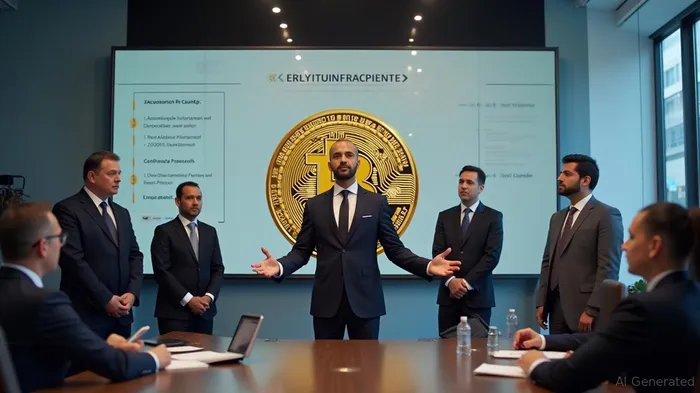
El Salvador continues to advance its position in the cryptocurrency world by paving the way for Bitcoin-centered banking institutions. The recent announcement of plans to launch Bitcoin-only banks highlights President Nayib Bukele’s commitment to cryptocurrency integration within the nation’s financial infrastructure. This move aligns with Bukele's earlier proposal for a Bank for Private Investment (BPI), which will allow traditional banks to offer services denominated in both BitcoinBTC-- (BTC) and USD under more flexible regulations. These regulations would ease restrictions on international partnerships and lending limits, offering financial institutionsFISI-- a leeway previously unavailable in the country.
To qualify for the new BPI model, prospective banks must meet specific requirements such as having a minimum share capital of $50 million and maintaining at least two shareholders. Should these entities choose, they may register as digital asset managers or Bitcoin service providers as well. This ambitious initiative is currently undergoing review by El Salvador's Technology, Tourism, and Investment Commission.
While domestic advisors like Max Keiser believe that the policy could stimulate economic growth, some analysts caution against potential risks. They express concerns over Bitcoin's price volatility and the skepticism from global financial entities. On that note, the International Monetary Fund (IMF) has consistently advised against widespread Bitcoin adoption, emphasizing risks related to volatility and consumer protection.
In response to an IMF report, El Salvador has clarified its position by asserting that recent Bitcoin wallet activities were merely consolidative rather than indicative of new purchases, despite previous claims suggesting otherwise. This comes amid the country's ongoing commitment, as part of a $1.4 billion credit agreement, not to make new Bitcoin purchases.
Looking to the future of regulation, definitive frameworks for Bitcoin-based banking still remain under development. However, El Salvador's government officials have highlighted the potential for these reforms to promote financial inclusion, especially given that a significant portion of the country's population is currently unbanked. Further specifics on these regulatory measures are anticipated in the coming months.
In parallel, El Salvador’s strategic adoption of Bitcoin via its reserves has been notable. The nation's Bitcoin holdings, estimated to be worth approximately $767 million, underpin initiatives such as the Chivo wallet and geothermal-powered Bitcoin mining efforts. Despite critiques from international watchdogs, these initiatives persistently portray Bitcoin as a cornerstone of El Salvador’s financial strategy.
Moreover, El Salvador’s enactment of the 2025 Investment Banking Law marks another pivotal development in its cryptocurrency policy. It lays out a framework that institutionalizes Bitcoin’s role by distinguishing between investment and commercial banking, thereby attracting foreign investment through tax incentives and strategic international partnerships. This law mandates a PSAD (Digital Asset Service Provider) license for banks wishing to engage in digital asset activities, including holding and transacting Bitcoin, providing custody services, and issuing tokenized securities.
To ensure compliance with international norms, institutions must adhere to existing AML and KYC standards, mitigating potential regulatory risks and reinforcing confidence among foreign investors. While there are inherent risks, including the volatility of Bitcoin and macroeconomic stability concerns raised by international bodies like the IMF, the structured approach provided by El Salvador’s government suggests an endeavor to harness Bitcoin’s potential while safeguarding economic interests.
In summary, El Salvador’s progressive stance on Bitcoin represents both a bold economic gamble and a calculated attempt to become a global cryptocurrency hub. By creating favorable conditions for Bitcoin-only financial institutions and passing legislative frameworks to attract sophisticated investors, the country seeks to position itself at the forefront of the digital finance revolution. Nevertheless, both domestic and international stakeholders will need to navigate associated risks with scrutiny, as this Central American nation models a potentially transformative approach to cryptocurrency integration into national financial systems.

Stay ahead of the market.
Get curated U.S. market news, insights and key dates delivered to your inbox.


AInvest
PRO
AInvest
PRO



Comments
No comments yet