
Bitcoin News Today: Crypto's Power Hunger: Malaysia Battles $1.1B Theft with Tech and Laws


 Aime Summary
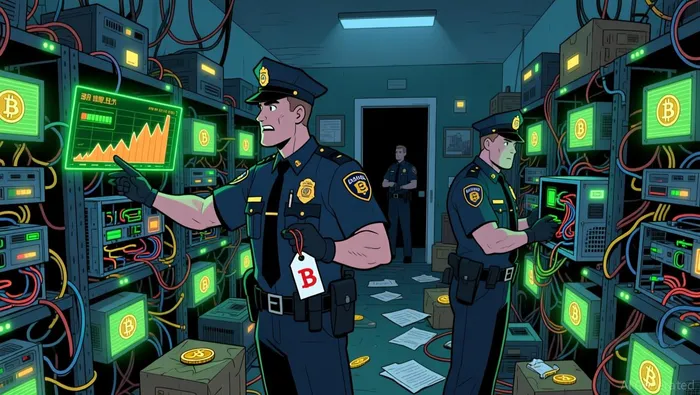
Malaysia's national utility firm Tenaga Nasional Bhd (TNB) has revealed losses exceeding $1.1 billion from illegal electricity use by cryptocurrency miners between 2020 and August 2025, according to a parliamentary reply by the energy ministry. The ministry identified 13,827 premises across the country where operators bypassed meters or tampered with connections to power crypto mining operations, primarily for Bitcoin. The theft, which has strained the national grid and raised public safety concerns, has prompted a multi-agency crackdown involving police, anti-corruption agencies, and the energy regulator according to reports.
The financial toll amounts to 4.6 billion ringgit ($1.11 billion), with the energy ministry warning that the activities threaten economic stability and grid reliability. TNB has seized thousands of mining rigs during joint operations and established a database to track property owners and tenants suspected of involvement in electricity theft. This system, described as an "internal reference", underpins targeted inspections. Smart meters are also being deployed at substations to detect real-time anomalies in energy consumption, while AI-based analytics are being explored to identify irregular usage patterns.
The surge in power theft has outpaced regulatory frameworks. While crypto mining itself is not illegal, the Electricity Supply Act prohibits meter tampering and unauthorized connections, offenses punishable by fines or imprisonment according to industry sources. Authorities have noted a 300% increase in reported cases since 2018, with 2,303 annual incidents on average from 2020 to 2024. Landlords are also being held accountable for electricity bills incurred by tenants using properties for illicit mining, with 45 property owners reportedly owing $2.1 million in unpaid charges.
Industry experts highlight the regulatory gaps exacerbating the crisis. Malaysia's competitive electricity rates and growing share of the global BitcoinBTC-- hash rate could attract $400-700 million in investment if formalized, but the absence of licensing regimes and tailored tariffs has left enforcement agencies struggling. The ACCESS Blockchain Association estimates that legalizing the sector could create 4,000 jobs and generate $150 million in annual tax revenue, yet current laws leave operators in a "grey zone".
TNB's efforts to combat the issue extend beyond technology. Public awareness campaigns are being rolled out to encourage reporting of suspicious activity, while landlords are urged to submit "Change of Tenancy" applications to avoid liability for tenants' illicit operations. Despite these measures, the ministry acknowledged the challenge posed by mobile mining syndicates, which frequently relocate to evade detection.
The scale of the problem underscores the broader tension between Malaysia's energy infrastructure and the energy-intensive demands of crypto mining. With Bitcoin's value driving risk-taking, authorities face mounting pressure to balance innovation with grid security. As the energy ministry pushes for stricter regulations, the outcome could set a precedent for how nations navigate the intersection of digital finance and energy policy.

Comprender rápidamente la historia y el contexto de distintas monedas famosas
Latest Articles
Stay ahead of the market.
Get curated U.S. market news, insights and key dates delivered to your inbox.


AInvest
PRO
AInvest
PRO



Comments
No comments yet