
Bitcoin's Liquidity Crisis and Deepening Bear Market: Systemic Risks and Investor Behavior Under Stress


 Aime Summary
Systemic Risks: Leverage, , and
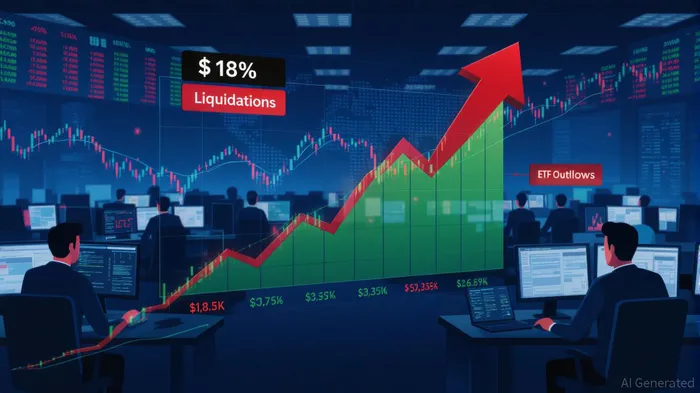
The Q4 2025 collapse began with a 18% price drop in BitcoinBTC-- following renewed U.S.-China trade tensions, triggering a cascade of forced liquidations. Derivatives markets, , became a liability. Platforms like Hyperliquid and Binance within 24 hours, . The absence of circuit breakers or margin-call safeguards created a feedback loop: falling prices triggered more liquidations, which further depressed prices.
Centralized exchanges, meanwhile, faced existential threats. highlighted custodial vulnerabilities. Research suggests exchanges should maintain 6-14% extra reserves to withstand stress, yet many operate with thin liquidity buffers. American BitcoinABTC-- Corp., for instance, by November 2025, but such prudence remains the exception.
Investor Behavior: Panic, Leverage, and the
The crisis laid bare stark differences between retail and institutional behavior. Retail traders, drawn by high leverage and social media hype, adopted aggressive short positions in BTCBTC-- and XRPXRP--. Psychological traps like FOMO and panic selling intensified losses, while the -selling winners too early and holding losers-further eroded portfolios.
In contrast, institutions retreated to regulated products. Bitcoin ETFs, once a lifeline, on a single day, as firms like Grayscale and BlackRock faced exodus. Meanwhile, Singapore's SGX Derivatives launched institutional-grade Bitcoin and Ethereum perpetual futures, signaling a shift toward regulated infrastructure.
The mental toll on retail traders is profound. Studies link crypto trading to heightened anxiety and depression, particularly among those lacking structured strategies. Institutions, with access to automation and risk management tools, navigated the crisis with greater discipline, underscoring the asymmetry in resources and resilience.
Macro Outlook: Can Bitcoin Recover?
Despite the carnage, some analysts remain bullish. are elevated but not extreme, . The Federal Reserve's September and hints of further easing in 2025 could also provide a tailwind. However, regulatory gaps persist. The Financial Stability Board warns that oversight lags innovation, leaving room for future contagion.
Conclusion: A Call for Caution and Reform
Bitcoin's 2025 liquidity crisis is a wake-up call. Systemic risks-leverage, derivatives exposure, and exchange insolvency-remain unresolved, while investor behavior under stress amplifies volatility. For investors, the lesson is clear: diversify risk, favor regulated products, and avoid overleveraging. For regulators, the challenge is to close gaps in oversight without stifling innovation. As the market grapples with its next phase, the line between opportunity and catastrophe has never been thinner.

Delivering real-time insights and analysis on emerging financial trends and market movements.
Latest Articles
Stay ahead of the market.
Get curated U.S. market news, insights and key dates delivered to your inbox.


AInvest
PRO
AInvest
PRO



Comments
No comments yet