
Bitcoin Leverage Liquidation Surge in Early December 2025: A Cautionary Tale of Volatility and Risk


 Aime Summary
The Mechanics of the Liquidation Wave
The collapse was driven by a cascade of forced unwinds, particularly on long positions. Bybit, one of the largest exchanges, reported $109.3 million in liquidations, with 72% attributed to long bets. Binance and Hyperliquid fared similarly, with 76% and 83% of their respective liquidations stemming from long positions. These figures highlight a systemic overexposure to bullish bets, a pattern analysts have warned about for months.
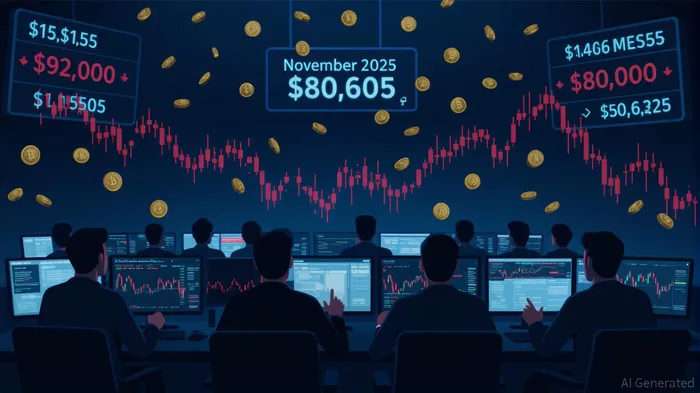 The intraday price drop created a self-reinforcing cycle: as leveraged longs were liquidated, further downward pressure was exerted on Bitcoin's price, triggering more forced sales. This dynamic, exacerbated by reduced institutional buying, pushed the market into what one report termed a "capitulation zone," where trading behavior became dominated by algorithmic liquidations rather than rational market forces.
A Market in Peril: Liquidity and Leverage Imbalances
The event also exposed the fragility of liquidity in crypto derivatives markets. With open interest concentrated in leveraged positions, even moderate price swings can trigger systemic stress. Data from CoinGlass suggests that the lack of institutional inflows-typically a stabilizing force-left retail-driven markets vulnerable to rapid deleveraging.
This imbalance is not new but has worsened as traders increasingly rely on margin and leverage. While leverage can amplify gains, it also magnifies losses, particularly in fast-moving markets. The November liquidation wave serves as a stark reminder that leveraged positions are inherently precarious, especially when market sentiment shifts abruptly.
Risk Awareness or Resilience?
Despite the carnage, some traders appear to be adapting. Unlike previous liquidation events, open interest stabilized after the initial wave, suggesting that traders are employing risk-management tools such as stop-loss orders and margin adjustments rather than reflexively exiting positions. This cautious behavior could signal a maturing market, though it remains to be seen whether such discipline will persist in future volatility.
Analysts remain divided on the long-term implications. While some view the liquidation event as a "clearing" mechanism that removes excessive leverage and stabilizes the market, others warn that the structural risks-thin liquidity, overreliance on leverage, and the absence of robust institutional safeguards-remain unresolved.
Conclusion: A Call for Caution
The November 2025 liquidation surge is a wake-up call for both retail and institutional participants. It highlights the dangers of overleveraging in an asset class prone to extreme volatility and the need for stricter risk controls. As Bitcoin's price continues to fluctuate, the lessons from this event will be critical in shaping a more resilient market structure. For now, the message is clear: in crypto, leverage is a double-edged sword, and the margin of error is vanishingly small.

Blending traditional trading wisdom with cutting-edge cryptocurrency insights.
Latest Articles
Stay ahead of the market.
Get curated U.S. market news, insights and key dates delivered to your inbox.


AInvest
PRO
AInvest
PRO



Comments
No comments yet