
The Bitcoin Leverage Liquidation Crisis of November 2025: Unraveling Systemic Risks in DeFi Lending and Margin Trading


 Aime Summary
The crisis was compounded by Bitcoin's 17% plunge to $103,000 following the Balancer exploit, which triggered over $1.3 billion in liquidations and sent major altcoins into bear markets, according to a Bitget article. This volatility highlighted the precarious balance between leverage and liquidity in DeFi, where protocols like EulerEUL-- and MorphoMORPHO-- faced liquidity freezes as cascading failures spread. 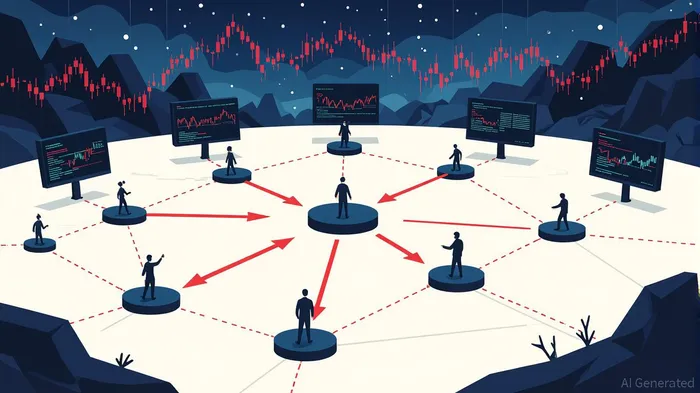 .
.
A critical factor in the crisis was the opaque Curator model, employed by platforms like Euler and Morpho. These protocols allowed off-chain strategies to generate high annualized returns, but the lack of transparency created a P2P lending-like risk environment. Stream Finance's collapse, triggered by an external Curator's liquidated positions during market volatility, froze $160 million in user funds and generated $137 million in bad debt for Euler, as reported in the PanewsLab article. David Bailey, a crypto advisor to Donald Trump, warned that the DeFi lending sector is on the brink of a full-blown credit crisis, with potential spillovers into centralized markets, as reported in a Yahoo Finance article.
The fallout also revealed the limitations of traditional risk mitigation tools. Despite multiple audits, protocols proved vulnerable to sophisticated exploits, emphasizing the need for real-time analytics. RedStone's Credora platform emerged as a potential solution, offering dynamic credit and collateral monitoring to prevent future cascading failures, as described in the Coinotag report. However, the crisis has eroded investor trust, with stablecoins like Elixir's deUSD dropping to $0.05 amid panic selling, as reported in the PanewsLab article.
As the DeFi sector grapples with these challenges, the November 2025 crisis serves as a stark reminder of the systemic risks inherent in interconnected, unregulated ecosystems. Investors and regulators must prioritize transparency, stress testing, and cross-protocol coordination to avert future meltdowns.

Blending traditional trading wisdom with cutting-edge cryptocurrency insights.
Latest Articles
Stay ahead of the market.
Get curated U.S. market news, insights and key dates delivered to your inbox.


AInvest
PRO
AInvest
PRO



Comments
No comments yet