
Bitcoin Hits New All-Time Highs Amid Institutional Demand and Trade Tensions
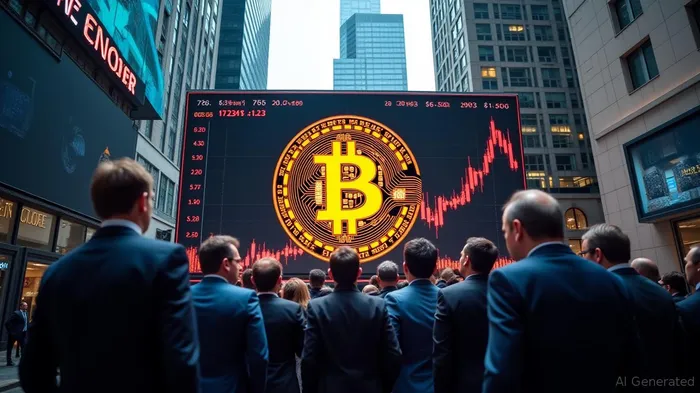
Bitcoin has continued its upward trajectory, reaching new all-time highs for the second consecutive day. This surge is driven by strong institutional demand and a favorable macroeconomic backdrop. The increasing interest in BitcoinBTC-- ETFs, expanding corporate treasury allocations, and a weakening U.S. dollar have all contributed to this bullish momentum. According to COINOTAG, the market sentiment shift towards digital assets reflects a broader embrace of cryptocurrencies amidst global economic uncertainties.
Bitcoin's recent price surge, reaching an unprecedented $113,358.50, underscores the growing influence of institutional investors in the cryptocurrency market. This rally, marking a nearly 96.2% increase year-over-year, is largely attributed to the expanding appetite for Bitcoin Exchange-Traded Funds (ETFs), which provide a regulated and accessible avenue for investors to gain exposure to BTC. The positive macroeconomic environment, characterized by a weakening U.S. dollar and low-interest rates, has further incentivized corporations to diversify their treasury holdings by incorporating Bitcoin. This trend signals a maturation of the crypto market, where digital assets are increasingly viewed as viable alternatives to traditional safe-haven investments.
The bullish momentum in Bitcoin has had a ripple effect across the wider cryptocurrency ecosystem. The total market capitalization of cryptocurrencies climbed to $3.52 trillion, reflecting a 3.64% increase within 24 hours. EthereumETH-- (ETH), the leading altcoin, outperformed Bitcoin with a 5.54% gain, highlighting investor confidence in decentralized finance (DeFi) and smart contract platforms. This broad-based rally suggests a renewed investor interest in diversified crypto portfolios, driven by both speculative and fundamental factors. Market analysts emphasize that the synergy between Bitcoin’s institutional adoption and altcoin innovation is pivotal for sustained growth in the crypto sector.
Despite the optimistic crypto market outlook, geopolitical risks remain a critical factor influencing investor sentiment. President Donald Trump’s announcement of a potential 50% tariff on Brazilian imports has raised concerns about escalating trade conflicts. This move, linked to political disagreements over the treatment of Jair Bolsonaro, threatens to disrupt one of the United States’ key trading relationships. Brazil’s retaliatory stance, promising reciprocal tariffs on U.S. goods, could exacerbate global supply chain uncertainties. Such trade tensions have historically impacted market volatility, prompting investors to seek refuge in assets like Bitcoin, which are perceived as insulated from traditional geopolitical risks.
The tariff threats against Brazil, alongside similar warnings to Japan, South Korea, and the Philippines, reflect a broader strategy of leveraging trade policy for geopolitical objectives. These developments introduce an element of unpredictability in global markets, potentially accelerating capital flows into cryptocurrencies. Bitcoin’s decentralized nature and limited correlation with traditional financial instruments make it an attractive hedge against trade-related market disruptions. Financial experts suggest that ongoing tariff disputes could indirectly bolster crypto adoption as investors diversify portfolios to mitigate geopolitical risks. This dynamic reinforces the importance of monitoring macroeconomic and political factors alongside crypto-specific developments.
Bitcoin’s consecutive all-time highs highlight the growing institutional embrace of digital assets, supported by ETF demand and a favorable macroeconomic environment. While trade tensions, particularly the looming tariffs on Brazil, introduce uncertainty, they may also enhance Bitcoin’s appeal as a safe-haven asset. The expanding crypto market capitalization and strong altcoin performance indicate a robust and evolving ecosystem. Investors should remain attentive to geopolitical developments and regulatory trends, which will continue to shape the trajectory of cryptocurrency markets in the near term.

Stay ahead of the market.
Get curated U.S. market news, insights and key dates delivered to your inbox.






Comments
No comments yet