
Bitcoin Faces Security Threats and Regulatory Progress in 2026
 Aime Summary
- Over $17 billion worth of BitcoinBTC-- was stolen in 2025, primarily due to the use of AI and impersonation tactics according to reports.
- The U.S. is progressing toward a strategic Bitcoin reserve, but implementation is hindered by legal and regulatory complexities as noted.
- Institutional adoption of Bitcoin is on the rise, driven by regulatory reforms and the launch of Bitcoin ETFs according to analysis.
The rise in Bitcoin thefts in 2025 signals a significant increase in cyberCYBER-- threats targeting the cryptocurrency. A 1,400% surge in impersonation scams and the use of AI-based fraud have made it increasingly difficult for investors to distinguish between legitimate transactions and fraudulent ones according to reports. These developments underscore a growing vulnerability in the crypto ecosystem and highlight the urgent need for improved security measures and user education.
Efforts to establish a U.S. Bitcoin strategic reserve are encountering obstacles due to obscure legal provisions and agency disagreements. While the Trump administration signed an executive order in March 2025, it restricts the government to acquiring Bitcoin through judicial forfeiture, not open-market purchases. This limitation has sparked criticism from parts of the Bitcoin community who view it as a missed opportunity to institutionalize Bitcoin more broadly as reported.
Despite these challenges, Bitcoin's role in the financial system is evolving. The introduction of Bitcoin ETFs and regulatory reforms such as the repeal of SAB 121 have normalized Bitcoin as a core institutional asset. Financial institutions like BlackRockBLK-- and Fidelity have launched Bitcoin ETPs with combined holdings exceeding $175 billion, signaling broader acceptance and integration of Bitcoin into traditional financial systems according to analysis.
What are the key risks to Bitcoin investors in 2026?
The threat landscape for Bitcoin investors remains volatile. AI-powered scams and impersonation tactics have made it easier for fraudsters to deceive users into transferring funds. These methods are becoming more sophisticated, making it harder for individuals to detect and prevent such attacks according to reports. In addition, the increasing use of IoT devices in homes introduces new vulnerabilities that hackers can exploit, extending risks beyond personal data breaches to include cryptocurrency and financial security as noted.
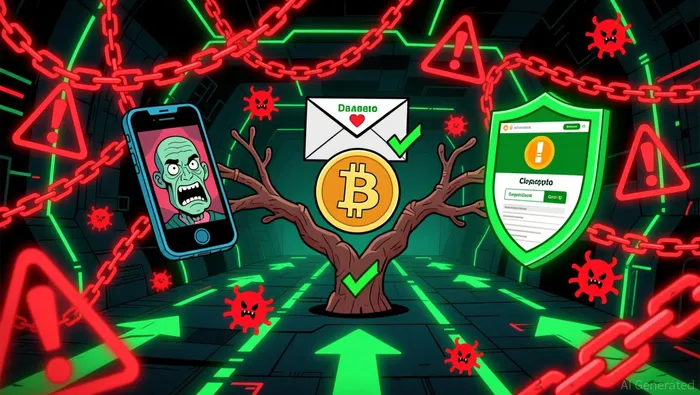
The growing adoption of AI in scamming tactics requires enhanced security protocols and user education. Multi-layered authentication and better awareness of fraudulent activities are essential to mitigate these risks. Investors are advised to remain vigilant and ensure their digital assets are protected with the latest security technologies and practices according to reports.
How is the regulatory landscape impacting Bitcoin's future?
The regulatory landscape for Bitcoin is undergoing significant changes. In 2025, the U.S. passed the GENIUS Act, establishing a framework for stablecoins and encouraging their role in financial infrastructure. Additionally, the launch of Bitcoin ETFs and DATs has institutionalized crypto exposure, drawing traditional capital into the sector according to analysis. These developments indicate a shift toward a more regulated and compliance-driven environment, which could lead to broader acceptance of Bitcoin as a legitimate investment asset.
However, the implementation of a U.S. Bitcoin strategic reserve is encountering delays due to legal and regulatory issues. Patrick Witt of the White House Crypto Council noted that obscure laws are complicating the process, and the current executive order restricts the government to acquiring Bitcoin only through asset seizures as reported. This limitation has raised concerns about the effectiveness of the reserve in promoting Bitcoin adoption and stabilizing the market.
What does the future hold for Bitcoin's price and adoption?
Bitcoin's price and adoption are being shaped by institutional backing, regulatory clarity, and technological advancements. The growing legitimacy of Bitcoin is evident in the increasing number of financial institutions offering Bitcoin ETFs and other investment products. This institutional adoption is expected to drive Bitcoin's value higher, especially if regulatory support continues according to analysis.
Analysts and market observers are optimistic about Bitcoin's future. Tom Lee, co-founder of Fundstrat, has reasserted his $250,000 price target for Bitcoin by the end of 2026, citing the diminishing influence of the traditional four-year halving cycle and the growing role of institutional investors and ETF-driven demand as cited. The correlation between Bitcoin and gold is also a positive factor, as stablecoin issuers and institutional investors continue to view Bitcoin as a hedge against fiat currency depreciation.
Despite these optimistic projections, short-term volatility remains a challenge. The recent 4% drop in Bitcoin's value over the past year, driven by a shift in investor sentiment toward safer assets, highlights the need for caution as reported. While long-term trends point to potential appreciation, investors should remain prepared for market fluctuations and adjust their strategies accordingly.

Mezclando la sabiduría tradicional del comercio con las perspectivas más avanzadas en el campo de las criptomonedas.
Latest Articles
Stay ahead of the market.
Get curated U.S. market news, insights and key dates delivered to your inbox.




Comments
No comments yet