
Bitcoin Explained: What It Is and Why It Matters to Investors in 2026
 Aime Summary
Bitcoin is a decentralized digital currency, not controlled by any central authority according to BBC News.
The blockchain technology that underpins BitcoinBTC-- records all transactions in a transparent, distributed ledger as reported by CNBC.
Bitcoin is often used for speculative investment due to its high volatility, but it is also favored for its potential to provide financial freedom outside of traditional banking systems according to CNBC analysis.
Recent market analysis suggests Bitcoin may be approaching a bottom, with some analysts predicting a potential drop to $50,000 before a recovery in the fall as Yahoo Finance reports.
To store Bitcoin securely, users must understand different types of wallets — hot, cold, hardware, and paper — each with distinct trade-offs between security and convenience according to MEXC.
Bitcoin has become one of the most talked-about financial assets of the 21st century. Unlike the U.S. dollar or the euro, it operates without the oversight of central banks or governments. This digital currency runs on a decentralized network, meaning no single institution controls it. Instead, Bitcoin transactions are verified by a global network of volunteers using specialized software, a process known as mining as BBC explains.
While this decentralization offers a unique kind of freedom — especially to those who are wary of traditional financial systems — it also introduces risks. Bitcoin is known for its volatility, with prices swinging rapidly in response to market sentiment, regulatory news, and macroeconomic trends according to BBC.
What Is Bitcoin and How Does It Work?
Bitcoin operates on a technology called blockchain, a digital ledger that records every transaction in a tamper-resistant, publicly accessible chain of blocks as CNBC reports. This transparency helps ensure trust without the need for a central authority. Every time a transaction is made, it is added to the blockchain by miners — individuals or groups who verify the legitimacy of transactions in exchange for rewards in Bitcoin according to BBC.
The system is also designed to be scarce. The total supply of Bitcoin is capped at 21 million coins, and every four years, the reward given to miners for processing transactions is halved. This built-in scarcity is one of the reasons many investors see Bitcoin as a digital form of gold according to CNBC.
Why Bitcoin's Volatility and Decentralization Attract and Deter Investors
Bitcoin's decentralized nature is a key factor in its appeal to certain investors. For those who are skeptical of central banks or want to avoid inflation risks in traditional currencies, Bitcoin offers an alternative according to BBC.
However, this same decentralization makes Bitcoin highly volatile. Prices can swing wildly in a short period, often driven by speculative trading, macroeconomic events, and even social media trends according to BBC. This has led to a growing debate among investors about whether Bitcoin should be treated as a speculative asset or a store of value as Yahoo Finance reports.
In 2026, the market is still grappling with the aftermath of the October 2025 crypto crash, which wiped out over $19 billion in leveraged positions according to CNBC. Many investors who lost significant amounts have become more cautious, leading to a shift in the market from speculation to more fundamental analysis of blockchain-based assets.
Bitcoin's Four-Year Cycle and Market Implications for 2026
Bitcoin operates on a well-known four-year cycle known as the halving cycle. Every four years, the reward given to miners for processing transactions is cut in half, which reduces the rate at which new Bitcoin is created according to CNBC.
The most recent halving occurred in April 2024, and analysts are watching closely to see if the market responds in the typical pattern. In past cycles, halvings have often led to sharp price increases in the months that follow. However, with the growing number of institutional investors and the increased scrutiny from regulators, the 2026 cycle may look different.
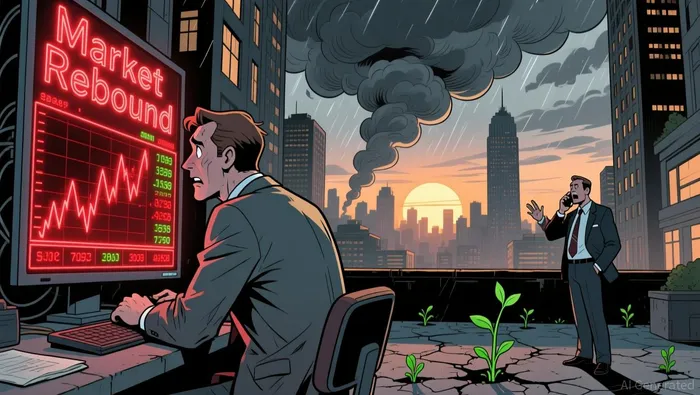
Recent market commentary suggests that Bitcoin could face another major pullback in the summer of 2026, possibly dropping to as low as $50,000 as Yahoo Finance reports. After that, it could rebound in the fall as the market absorbs the halving event and investor sentiment stabilizes.
How to Secure Bitcoin: An Overview of Wallet Types and Best Practices
Because there is no central authority to help recover lost keys or passwords, security is a critical concern for anyone holding Bitcoin according to MEXC. A Bitcoin wallet — a tool that stores, sends, and receives digital assets — is essential for managing one's holdings.
There are two main categories of wallets: hot wallets, which are connected to the internet and convenient for daily use, and cold wallets, which are offline and more secure for long-term storage according to MEXC.
Hardware wallets, which store private keys on a physical device, are considered one of the safest options for holding significant amounts of Bitcoin according to MEXC. Paper wallets, which are simply printed versions of one's private key and public address, are also a form of cold storage but are less practical for frequent transactions.
In addition to choosing the right wallet, it's important to practice good security habits, such as using strong passwords, enabling two-factor authentication, and keeping recovery phrases in a secure, offline location according to MEXC.
As Bitcoin continues to evolve and gain mainstream acceptance, understanding how to safely store and manage it will become even more important for both new and experienced investors.
What to Watch Next
Bitcoin's future in 2026 will likely be shaped by several factors, including continued regulatory developments, institutional interest, and the broader adoption of blockchain technology in industries like travel and finance according to the Statesman Journal.
For now, investors are advised to stay informed and carefully consider their risk tolerance before entering the market. Whether you're interested in Bitcoin for its speculative potential or as a long-term store of value, it's important to approach it with a clear understanding of the technology and the market dynamics at play.

Stay ahead of the market.
Get curated U.S. market news, insights and key dates delivered to your inbox.


AInvest
PRO
AInvest
PRO



Comments
No comments yet