
Bitcoin Explained for 2026: Understanding the Volatility, Risks, and Role in a Portfolio
 Aime Summary
Bitcoin is a decentralized digital currency maintained by a global network of computers through mining. , . Unlike stocks or bonds, BitcoinBTC-- is highly sensitive to investor sentiment and liquidity, making it more volatile than traditional assets. The total supply of Bitcoin is capped at 21 million, with a halving event every four years reducing the number of new coins awarded to miners. Bitcoin is considered a high-risk, .
Bitcoin's recent plunge has left even top crypto bulls uncertain about the cause. Investors are now scrutinizing a range of factors—ranging from shifting capital toward AI and meme stocks to regulatory uncertainty and macroeconomic concerns. The price has dropped below $64,000, a level not seen since early 2026, as institutional investors pull back and stablecoins take over for daily transactions.
What Is Bitcoin and How Does It Work?
Bitcoin is a decentralized digital currency that operates without a central bank or government oversight. Instead of relying on traditional financial systems, Bitcoin uses a blockchain—a digital ledger that records transactions across a peer-to-peer network. , who use powerful computing hardware, validate transactions and are rewarded with new Bitcoin. This process ensures the network's integrity and security without the need for intermediaries according to AInvest.
Bitcoin's design is unique in that its supply is capped at 21 million coins. To maintain scarcity, the number of new coins awarded to miners is halved roughly every four years in an event known as the "." This mechanism is intended to drive up demand as new supply decreases over time.
Why Is Bitcoin So Volatile in 2026?
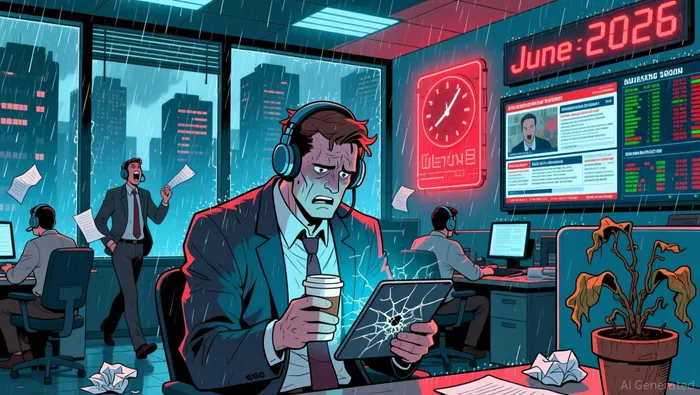
Bitcoin's volatility is one of its most defining features, and this has become even more pronounced in 2026. . Analysts attribute this to a combination of macroeconomic uncertainty, reduced liquidity, and a shift in investor sentiment as many reallocate capital to gold, silver, and more traditional equities.
Unlike stocks, which derive value from earnings and cash flow, Bitcoin has no intrinsic income generation. Its value is derived purely from market speculation and demand. This makes it highly sensitive to changes in risk appetite and liquidity conditions. In times of market stress, Bitcoin often sees sharper price swings than other assets.
Should Bitcoin Be in My Portfolio in 2026?
For most investors, Bitcoin is not a core holding—it's a speculative, high-risk asset. , especially for those with strong financial foundations and a high risk tolerance according to Seeking Alpha.
Bitcoin's role in a portfolio depends largely on an investor's goals, risk appetite, and time horizon. Some see it as a hedge against inflation or a way to participate in the digital economy. Others view it as a store of value or a test of the decentralized financial model. But for the majority, it's better suited as a satellite holding rather than a central one.
What to Watch for in the Near Future
Bitcoin's path forward will likely depend on several key factors. These include regulatory developments in the U.S. and other major markets, macroeconomic conditions, and the actions of institutional investors. The upcoming halving event, expected in 2027, could also play a role in shaping the narrative around Bitcoin's scarcity and potential price movement.
Meanwhile, companies like Paystand are quietly integrating Bitcoin into corporate payment systems, offering a potential new avenue for adoption. This "Trojan horse" strategy aims to build Bitcoin's utility without the noise of speculative trading according to Bitcoin Magazine.
As 2026 unfolds, investors will need to remain cautious but not dismissive of Bitcoin's potential. While it's not a guaranteed winner, it's also not a guaranteed loser. The key is understanding the risks and knowing when—and if—to hold, buy, or sell.

Stay ahead of the market.
Get curated U.S. market news, insights and key dates delivered to your inbox.


AInvest
PRO
AInvest
PRO



Comments
No comments yet