
Bitcoin Evolves Through Regulated Platforms and Institutional Activity in 2026
 Aime Summary
Bitcoin's purchasing process has transitioned from self-custody to regulated platforms like SoFiSOFI-- and CoinbaseCOIN--, offering institutional-grade security and easier recovery processes according to industry reports.
On-chain activity in April 2026 reflects operational movement likely driven by large entities, not retail demand, with transaction volumes surging to 615,000 daily, the highest since November 2024 according to data.
Bitcoin mining has consolidated into a triopoly among the U.S., Russia, and China, with the U.S. leading at 38%, driven by regulatory clarity and capital inflows as analysis shows.
Bitcoin's purchasing landscape has evolved significantly, with regulated platforms now serving as primary access points for most investors. These platforms operate under U.S. financial regulations and offer institutional-grade encryption, separating customer funds from company assets. Additionally, they streamline tax reporting by automatically tracking cost basis and generating IRS-compliant forms.
The shift toward regulated platforms has also introduced new limitations. Some platforms operate as "walled gardens," preventing users from withdrawing BitcoinBTC-- to external wallets. This is ideal for most investors but not for those seeking full control over their assets.
Meanwhile, Bitcoin's on-chain activity is raising questions about the nature of demand. While daily transactions reached 615,000 in April 2026, the surge appears to stem from large institutional movements rather than new retail adoption. Analysts point to low network fees and elevated transaction counts as indicators of operational activity, not fresh demand.
Institutional activity is further reflected in HODL waves data, which show a dramatic exit from the 1-month to 3-month buyer cohort. This exit reduced their control from 14.67% in January to 8.19% by April 1, signaling weak short-term conviction. This pattern aligns with a potential 14% price correction if key levels fail.
The broader Bitcoin mining landscape is also undergoing structural changes. Mining has consolidated into a triopoly controlled by the U.S., Russia, and China. Regulatory clarity in the U.S. and Russia is attracting miners, while China's mining ban is reducing its share. The U.S. alone accounts for 38% of the global hashrate, with institutional players like Mara Holdings expanding their presence.
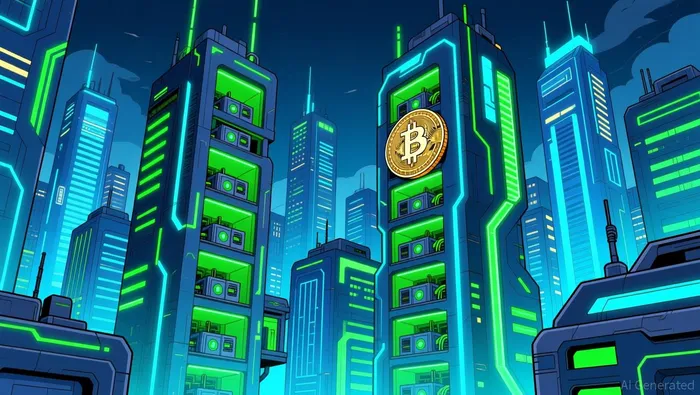
This mining concentration has created a paradox where Bitcoin's decentralized promise relies on a security apparatus controlled by a few large entities. The result is a network security model increasingly centralized, with a handful of pools controlling most of the hashrate. This trend raises concerns about long-term sustainability.
Bitcoin's price movements have also been influenced by institutional and corporate activity. Grant Cardone's $500M commitment to acquire 10,000 BTC echoes earlier moves by figures like Michael Saylor and reflects growing institutional interest in Bitcoin as a treasury asset.
Bitcoin has also reached new highs, surpassing $73,000, as institutional adoption and global uncertainty drive its mainstream acceptance. Spot ETFs have played a significant role, allowing traditional investors to participate without directly holding Bitcoin. This marks a shift from its early days as a niche speculative asset.
Why Does Bitcoin's Institutional Adoption Matter Now?
Bitcoin's transition into regulated platforms and institutional ownership marks a key milestone in its mainstream adoption. Institutional investors bring stability, security, and credibility to the market, reducing some of the risks associated with self-custody and unregulated exchanges.
This shift also reflects broader market dynamics. With declining trust in traditional financial systems and inflation concerns, investors are seeking alternatives that Bitcoin can provide. Its institutional adoption validates its role as a digital store of value and hedge against macroeconomic uncertainty.
What Are the Key Risks for Bitcoin Investors in 2026?
Despite growing adoption, Bitcoin investors face several risks in 2026. Mining centralization raises concerns about network security and governance. With just a few mining pools controlling the majority of the hashrate, the network's resilience to attacks or regulatory pressures is diminished.
Another risk is the potential for price corrections. The HODL waves data indicates weak short-term conviction among investors, and a breakdown below key support levels could trigger a 14% price drop. Additionally, the derivatives market remains skewed toward long positions, increasing exposure to sudden price swings.
Lastly, the ongoing pivot of mining capital toward AI and high-performance computing (HPC) infrastructure poses a long-term challenge. Publicly listed miners are reallocating billions into AI infrastructure, reducing reinvestment into the core Bitcoin mining business. This trend could lead to further hashrate declines and increased network volatility.
How Is Bitcoin Mining Changing in 2026?
Bitcoin mining has undergone a significant transformation in 2026. The industry has consolidated into a triopoly, with the U.S., Russia, and China collectively controlling 68% of the global hashrate. The U.S. now leads with 38%, driven by regulatory clarity and institutional support.
This regulatory clarity has been a key factor in attracting miners to the U.S. and Russia. By contrast, China's strict anti-mining policies have caused its market share to shrink. The result is a network security model where a small number of pools control most of the hashrate.
The economic challenges facing the mining sector are also significant. Post-halving costs and a sharp BTC price correction have pushed mining margins into negative territory. As a result, publicly listed miners are shifting capital toward AI and HPC infrastructure, which is creating a tangible reduction in the network's security hashrate according to industry analysis.
For the network to recover, Bitcoin's price needs to rise toward $100,000 to restore positive mining margins and encourage reinvestment. Without this price catalyst, the hashrate decline could persist, testing the network's security and potentially leading to more miner capitulation as market data indicates.

Blending traditional trading wisdom with cutting-edge cryptocurrency insights.
Latest Articles
Stay ahead of the market.
Get curated U.S. market news, insights and key dates delivered to your inbox.


AInvest
PRO
AInvest
PRO



Comments
No comments yet