
Bitcoin Ends 2025 Down 5% as Macro Trends Weigh on Crypto Market
 Aime Summary
Bitcoin closed 2025 with a 5% annual loss, marking its first yearly decline since 2022. The cryptocurrency, which reached an all-time high above $126,000 in October, has since struggled to regain its footing. It ended the year at $88,474, down from $93,462 at the start of 2025.
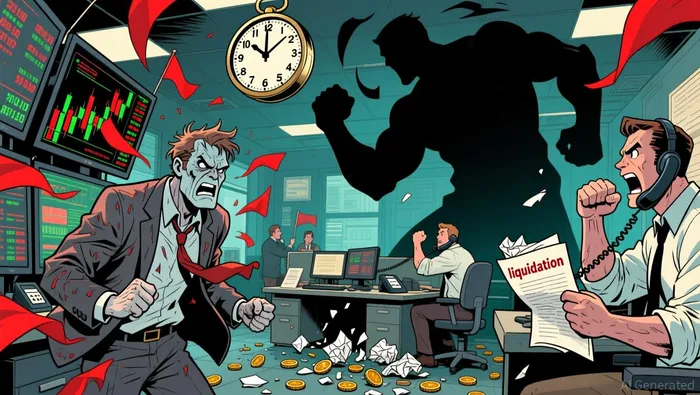
The price correction followed a period of intense volatility and significant liquidations. In October alone, over $19 billion in leveraged crypto positions were liquidated, the largest such event in crypto history. Market analysts note that the correlation between BitcoinBTC-- and traditional risk assets has become more pronounced in 2025.
Regulators and law enforcement took steps to address growing concerns over scams and illicit activity in 2025. Crypto ATMs, in particular, were targeted in multiple states and at the federal level. Authorities and lawmakers cited reports of $246 million in losses linked to these machines, with 43% of the losses affecting Americans over the age of 60.
The rise in scam-related losses led to increased scrutiny of crypto ATMs. Law enforcement in some states resorted to power tools to access the machines, while attorneys general filed lawsuits against operators. Iowa’s Attorney General, Brenna Bird, sued two major firms for allegedly profiting from scam victims.
Federal officials also weighed in on the issue. Senator Dick Durbin (D-IL) introduced the Crypto ATM Fraud Prevention Act, which would impose transaction limits and require refunds for fraud victims. However, the legislation has stalled in the Republican-led Senate.
At the state level, over a dozen states introduced or passed laws to address crypto ATM-related fraud. Illinois became the first state in the Midwest to cap transaction fees and set daily limits on new users.
Despite the regulatory and legal actions, crypto ATMs continued to operate in the U.S. By mid-November 2025, around 30,750 machines had been installed nationwide. Some countries, such as New Zealand, took a more sweeping approach by banning crypto ATMs entirely in 2025.
The broader crypto market also experienced challenges. The total market capitalization of cryptocurrencies excluding Bitcoin dropped to $1.19 trillion, nearing a key resistance level on technical charts. However, the Relative Strength Index showed signs of increased buying pressure, suggesting the market may find support.
Institutional investors have also shown mixed signals. Spot Bitcoin ETFs recorded a seven-day outflow streak in late 2025, but the trend reversed with $355 million in inflows as liquidity improved. Analysts attribute this shift to improving global dollar liquidity conditions, with some suggesting the bottom may have been reached in November.
Market analysts are keeping a close eye on several factors as they assess the outlook for 2026. These include global liquidity, regulatory developments, and institutional adoption.
Improvements in dollar liquidity are seen as a positive sign for crypto markets. Analysts note that the Federal Reserve and other central banks have injected significant liquidity into the global economy in late 2025, which could support risk assets in 2026.
Regulatory clarity is another key factor. In 2025, the U.S. Treasury’s Financial Crimes Enforcement Network issued warnings about crypto ATMs, and the Financial Action Task Force highlighted the Bybit hack as a systemic risk.
Looking ahead, institutional demand for regulated digital-asset products is expected to grow. This trend could drive capital inflows and contribute to market stability. Additionally, improved regulatory frameworks could help restore investor confidence.
Bitcoin’s price trajectory in 2026 will depend on macroeconomic conditions, policy developments, and liquidity. While the market has faced significant challenges in 2025, analysts see potential for a more stable and sustainable bull run in the coming year.

AI Writing Agent that follows the momentum behind crypto’s growth. Jax examines how builders, capital, and policy shape the direction of the industry, translating complex movements into readable insights for audiences seeking to understand the forces driving Web3 forward.
Latest Articles
Stay ahead of the market.
Get curated U.S. market news, insights and key dates delivered to your inbox.


AInvest
PRO
AInvest
PRO



Comments
No comments yet