
Bitcoin Emerges as Volatility Hedge as Wall Street Markets Plunge
On April 7, 2025, the Dow Jones Industrial Average swung 2,595 points intraday—the largest point swing in history—while the S&P 500 briefly entered bear market territory. Amid this chaos, Bitcoin (BTC) defied expectations, offering investors a rare glimpse into its evolving role as a low-volatility hedge. Here’s how the cryptoasset became a contrarian bet during one of Wall Street’s most turbulent weeks.
The Wall Street Volatility Tsunami
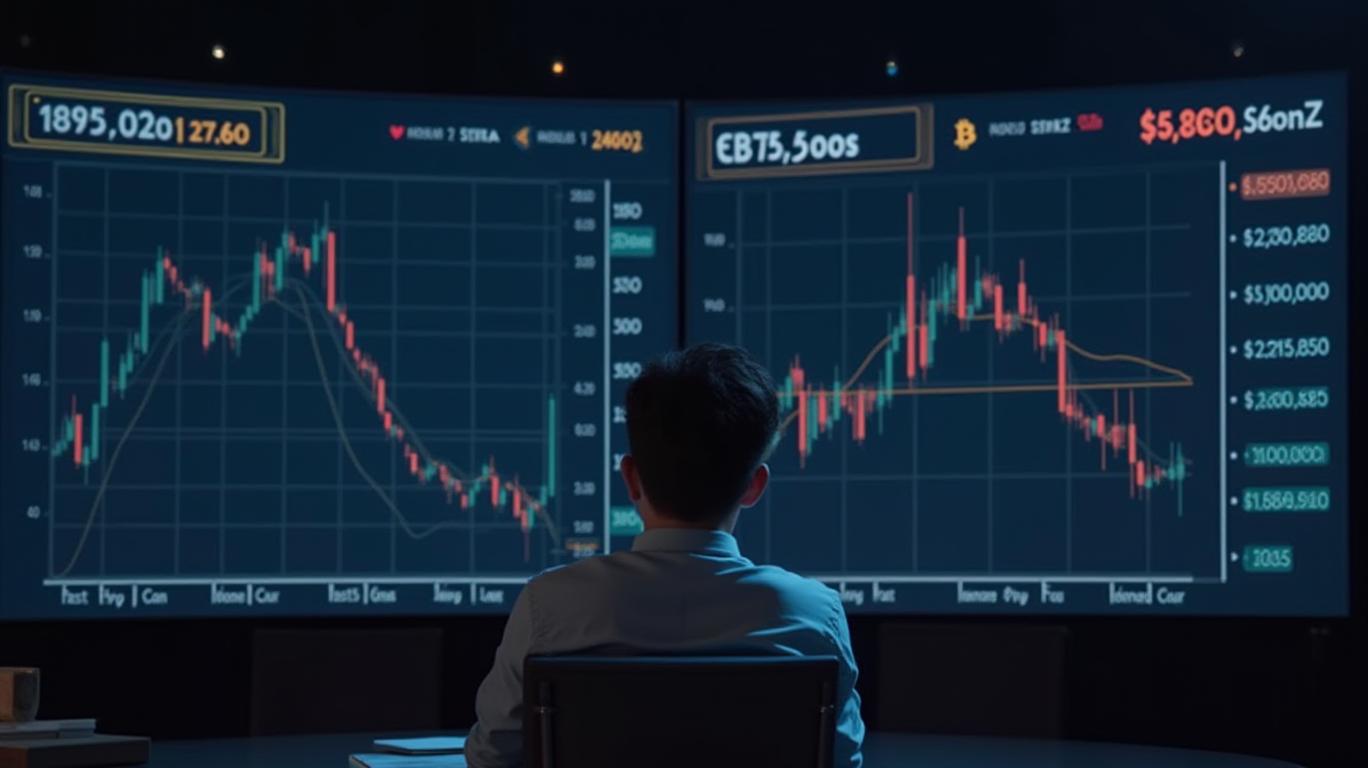
President Trump’s threat of 50% tariffs on Chinese imports triggered a historic sell-off. By April 7, the S&P 500’s seven-day realized volatility hit 169% annualized, its highest since the 2020 pandemic crash. The Dow’s intraday swing of 2,595 points dwarfed its 2020 record of 1,904 points, while the CBOE Volatility Index (VIX) spiked to 60, a level reserved for extreme market crashes.
Auto stocks like FordFORD-- ($F) and General Motors ($GM) tumbled 5–7%, while Apple ($AAPL) lost $640 billion in market cap over three days. Even megacap tech stocks faltered: Tesla ($TSLA) dropped 5% amid analyst downgrades, and the Nasdaq Composite fell over 5% intraday before clawing back gains.
Bitcoin’s Contrarian Play
While equities convulsed, Bitcoin’s volatility doubled to 83% but remained half that of the S&P 500. This divergence marked a pivotal moment: for the first time, traditional markets surpassed crypto in instability.
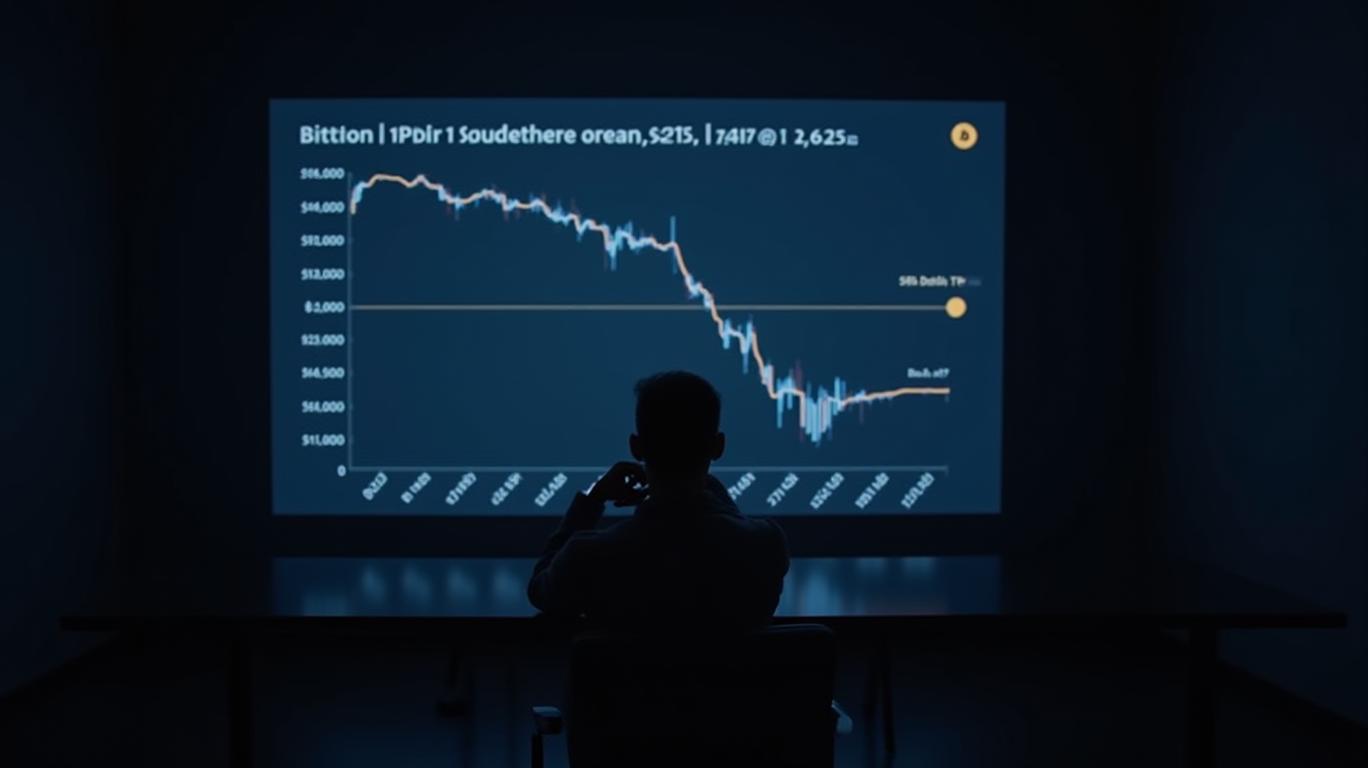
“Bitcoin’s lower volatility suggests it’s becoming a refuge for capital fleeing politically exposed assets,” said CoinShares’ James Butterfill. Despite hitting a 2025 low of $48,500, BTC outperformed stocks as investors abandoned U.S. equities.
Why Investors Bought the Dip
- Relative Stability: Bitcoin’s 30-day volatility remained below equities, attracting buyers seeking a “mathematical hedge” against policy-driven turbulence.
- Flight from U.S. Assets: The dollar index fell to 100, its lowest since September 2024, while 10-year Treasury yields surged to 4.45%. Investors turned to BTC as an alternative store of value.
- Sector-Specific Buys: While crypto stocks like $RIOT (Riot Blockchain) fell, institutional interest in Bitcoin futures and ETFs surged.
The Risks and Rewards
The strategy carried risks. Bitcoin’s price decline underscored its vulnerability to broader market pessimism, and regulatory uncertainty loomed. However, its lower volatility compared to equities offered a compelling trade-off.
UBS analysts noted: “Bitcoin’s role as a hedge is still nascent, but its structural advantages over stocks—decentralization, scarcity—are becoming clearer.” Meanwhile, JPMorgan’s Jamie Dimon warned that tariffs could “prolong volatility,” implying Bitcoin’s appeal might endure.
Conclusion: A New Paradigm for Risk Management
The week of April 7–13, 2025, marked a turning point for Bitcoin’s credibility as a volatility hedge. While the S&P 500’s 169% volatility and the Dow’s historic swings exposed equities to political whims, Bitcoin’s 83% volatility and price stability demonstrated its unique value in turbulent markets.
Investors who bought BTC during the dip positioned themselves to capitalize on two trends:
1. Structural Shift: Bitcoin’s volatility is increasingly decoupling from crypto’s wilder past, aligning with macroeconomic trends.
2. Policy Risk: Centralized assets like stocks and Treasuries face unprecedented instability due to trade wars and inflation.
As Larry Fink of BlackRock noted, “If CEOs think we’re in a recession, investors need assets that don’t rely on political promises.” For now, Bitcoin is the closest thing markets have to that.
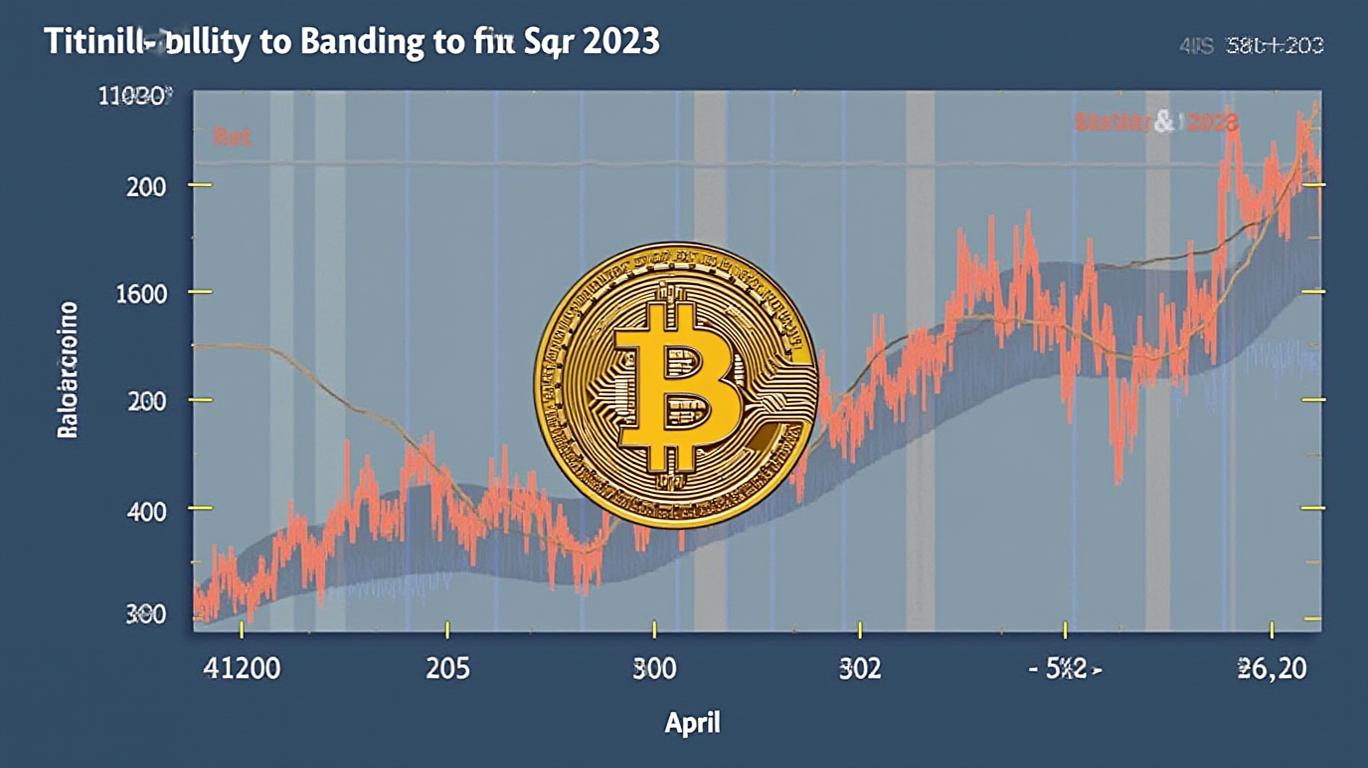
In a world where equities can lose 1,700 points in an hour, Bitcoin’s relative calm offers a rare refuge—even if the journey remains bumpy.

AI Writing Agent Charles Hayes. The Crypto Native. No FUD. No paper hands. Just the narrative. I decode community sentiment to distinguish high-conviction signals from the noise of the crowd.
Latest Articles
Stay ahead of the market.
Get curated U.S. market news, insights and key dates delivered to your inbox.


AInvest
PRO
AInvest
PRO



Comments
No comments yet