
Bitcoin Edging Bearish First Time in Years, So What Should We Do About It?
 Aime Summary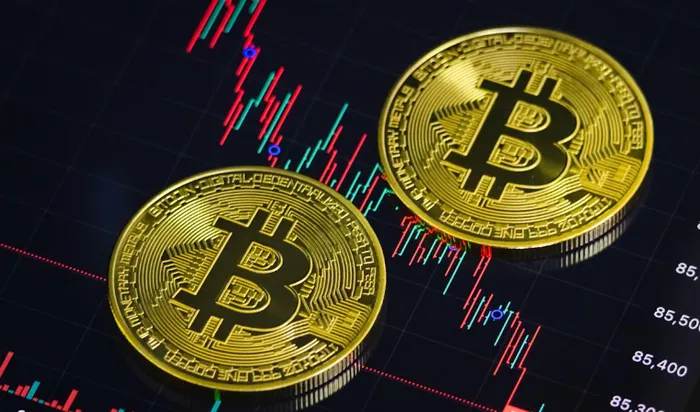
Bitcoin experienced significant volatility in 2025: In the first four months of the year, the price per BitcoinBTC-- fell from $93,000 to $75,000. However, over the next four months, it surged to a historic high of $120,000. Yet, this peak was as fleeting as a shooting star in the night sky—its brilliance vanished in an instant. Bitcoin's price once again plummeted, falling even lower than the start of the year, trading at around $88,000 at the end of November. After a brief period of excitement and speculation, what Bitcoin left investors was yet another outlook filled with uncertainty and endless concerns.
What Is Bitcoin?
According to Wikipedia , Bitcoin is a decentralized digital currency, commonly referred to as a cryptocurrency, that operates without a central authority or intermediary, such as a government or bank. It was introduced in 2008 by an anonymous person or group of people using the pseudonym Satoshi Nakamoto and became operational in 2009.
What Are Key Features of Bitcoin?
Based on information we gathered from credential websites like Bitcoin.org and Investopedia, these are the most notable features from Bitcoin:
- Decentralized: Bitcoin operates on a peer-to-peer network, meaning transactions occur directly between users and are verified by network nodes through cryptography. This eliminates the need for intermediaries like banks or financial institutions.
- Blockchain Technology: Bitcoin uses a blockchain—a distributed ledger that records all transactions. Each block in the chain contains a list of transactions, and the entire blockchain is publicly accessible, ensuring transparency.
- Limited Supply: There is a fixed supply of Bitcoin, capped at 21 million coins. This feature distinguishes Bitcoin from traditional fiat currencies, which can be printed at will by central banks. The limited supply is designed to make Bitcoin deflationary, though it has been a topic of debate among economists.
- Mining and Proof of Work: Bitcoin relies on a process called mining, where powerful computers solve complex mathematical problems to validate transactions and secure the network. Miners are rewarded with newly minted Bitcoin for their efforts, which also helps control the supply.
- Peer-to-Peer Transactions: Bitcoin allows users to send and receive payments without relying on traditional financial systems. It can be used globally, providing an alternative to fiat
How To Trade Bitcoin?
1. Choose a Trading Platform (Exchange)
The first step to trading Bitcoin is selecting a platform or exchange where you can buy and sell it. Some of the most popular Bitcoin exchanges include:
Coinbase: Known for its ease of use, especially for beginners.
Binance: Offers a wide range of cryptocurrencies and advanced trading options.
Kraken: Known for its robust security and variety of assets.
Gemini: Offers a secure trading platform with strong regulatory compliance in the U.S.
Each platform has different features, fees, and supported countries, so it's important to choose one that suits your needs. Be sure to check the security features of the platform, such as two-factor authentication (2FA) and insurance policies in case of a hack.
2. Create and Verify Your Account
After choosing a platform, you'll need to create an account. Most exchanges will require you to verify your identity to comply with regulations (this is known as KYC—Know Your Customer). This may involve uploading a government-issued ID and verifying your phone number or email.
3. Deposit Funds
To trade Bitcoin, you'll need to deposit funds into your exchange account. Most exchanges allow you to deposit fiat currency (such as USD, EUR, etc.) through: Bank transfer, Credit/debit card, and Cryptocurrency transfer (if you already own Bitcoin or other cryptocurrencies).
4. Buy Bitcoin
Once your account is funded, you can place an order to buy Bitcoin. There are two main types of orders:
- Market Order: This buys Bitcoin immediately at the current market price.
- Limit Order: This allows you to specify a price at which you're willing to buy Bitcoin. The order will only execute once the market price reaches your target.
5. Monitor the Market
After purchasing Bitcoin, it's important to monitor market trends, as Bitcoin's price can be highly volatile. Many traders use technical analysis tools like Moving Averages (MA), Relative Strength Index (RSI), and Bollinger Bands to help make informed decisions.
6. Selling Bitcoin
You can sell Bitcoin in a similar manner to buying it. You can either place a market order (to sell immediately at the current price) or a limit order (to sell when the price reaches a specified level).
7. Withdraw Funds
After selling Bitcoin, you can withdraw your funds to a bank account, transfer back to a different cryptocurrency wallet, or leave it in your exchange account for further trading.
FAQ:
At the Time of Bitcoin Bearish Market, Is It Still A Good Time to Buy Bitcoin?
It is definitely not the highlight trading time for the Bitcoin trading market due to its significantly volatile price and market skepticism, though there are still potential opportunities for adventurous traders to "buy the dip".
Bitcoin Price Prediction For December?
Trading View believes with few macro catalysts in November and uncertainty over U.S. economic data after the government shutdown, Bitcoin may continue trading sideways between $90,000 and $100,000, maybe even lower.
Still, some analysts remain optimistic about a potential "Santa Rally" in December. The expected end of QT and another possible rate cut could boost liquidity and bring back bullish momentum in the final weeks of 2025.
Can I trade Bitcoin 24/7?
Yes, Bitcoin can be traded 24/7, unlike traditional stock markets, which are only open during specific hours. This is because Bitcoin operates on a decentralized network, meaning there are no centralized trading hours.
What is the difference between buying Bitcoin on an exchange and using a peer-to-peer (P2P) platform?
Exchanges: These are centralized platforms where you can buy Bitcoin directly with fiat money (USD, EUR, etc.). They act as intermediaries, ensuring the security of your trade but charging fees for their services.
P2P platforms: Peer-to-peer platforms (like LocalBitcoins or Paxful) allow users to trade Bitcoin directly with each other. These platforms offer more privacy but can involve higher risks, as you are relying on the integrity of the counterparty. Be sure to use escrow services provided by the platform for added security.

The AInvest News Editorial Team consists of experienced financial journalists and editors who oversee all published content. While our newsroom leverages advanced AI tools to assist in data gathering and draft generation, every article is reviewed, fact-checked, and approved by human editors to ensure accuracy, clarity, and transparency.
Latest Articles
Stay ahead of the market.
Get curated U.S. market news, insights and key dates delivered to your inbox.
AInvest
PRO
AInvest
PRO



Comments
No comments yet