
Bitcoin Covered Call ETFs and Their Hidden Risks: Why High-Yield Strategies Like YBTC Often Fail to Deliver Long-Term Value


 Aime Summary
The rise of BitcoinBTC-- Covered Call ETFs has captivated income-seeking investors, promising regular distributions and exposure to the cryptocurrency's volatility. Products like the Roundhill Bitcoin Covered Call Strategy ETF (YBTC) and Grayscale's BTCC have marketed themselves as innovative tools to harness Bitcoin's price swings while generating yields exceeding 20% annually. However, beneath the allure of high returns lies a complex web of structural risks and performance pitfalls that often undermine long-term value creation. This article dissects why these strategies, despite their initial appeal, frequently fall short of expectations.
High Expense Ratios and Return of Capital
Bitcoin Covered Call ETFs like YBTCYBTC-- charge expense ratios significantly above industry averages. YBTC, for instance, carries a 0.96% fee, which compounds over time and erodes returns. More concerning is the fund's distribution model: its weekly payouts often exceed the fund's income and gains, leading to a return of capital for investors. This return of capital reduces an investor's cost basis, potentially increasing capital gains taxes upon sale. Data from late 2025 shows that YBTC's distributions have included return of capital in multiple quarters, masking the true sustainability of its yield.
Structural Exposure to Bitcoin Volatility
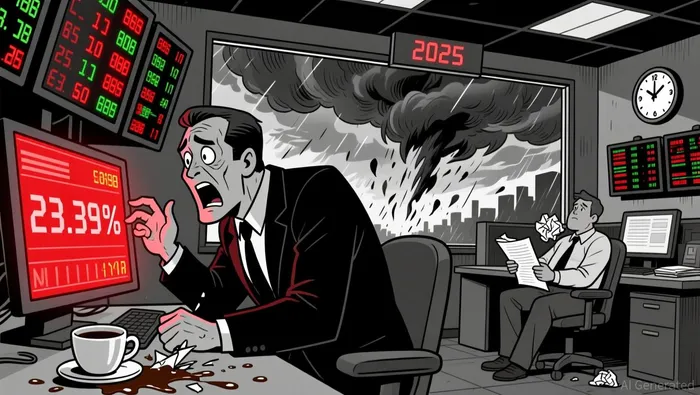
These ETFs are inherently tied to Bitcoin's price movements, yet their strategies amplify downside risks. YBTC's synthetic covered call approach involves selling call options to generate premiums, which limits upside potential but exposes the fund to significant drawdowns during market declines. In early 2025, YBTC experienced a maximum drawdown of 23.39%, underscoring the fragility of its model during bearish cycles. Unlike direct Bitcoin exposure, where losses are limited to price depreciation, covered call strategies face dual threats: falling prices and the erosion of premium income.
Leverage and Derivatives Risks
High-yield strategies like YBTC rely heavily on derivatives such as swap agreements and FLEX options to replicate Bitcoin exposure. These instruments introduce counterparty risk, as the fund's performance depends on the solvency of the counterparties involved. During periods of market stress, such as the 2025 crypto winter, liquidity constraints in the options market could force mark-to-market losses or force unwinding of positions at unfavorable prices. Additionally, leverage embedded in these derivatives can magnify losses, turning a modest Bitcoin decline into a catastrophic blow for the ETF.
Income vs. Appreciation Trade-Off
The covered call strategy itself is a double-edged sword. By selling call options, these ETFs sacrifice potential gains when Bitcoin prices rise above the strike price. For investors seeking full exposure to Bitcoin's long-term appreciation, this cap on upside potential is a critical flaw. Performance data from 2023–2025 reveals that YBTC underperformed direct Bitcoin exposure by a significant margin, despite its high yield. Over time, the cumulative effect of capping gains and paying high fees erodes the fund's ability to outperform.
Concentration and Diversification Risks
Bitcoin Covered Call ETFs are often non-diversified, concentrating holdings in a limited number of financial intermediaries and sectors. This lack of diversification increases vulnerability to industry-specific shocks, such as regulatory changes or technological disruptions. For example, a downturn in the technology sector-where many Bitcoin-related assets are concentrated-could disproportionately impact these ETFs compared to broader market indices.
Regulatory Uncertainties
The regulatory landscape for Bitcoin ETFs remains untested. Unlike traditional ETFs, products like YBTC and BTCC are exempt from the Investment Company Act of 1940, meaning they lack the same investor protections. This exemption raises questions about transparency, governance, and the potential for conflicts of interest. As regulators continue to refine rules for crypto assets, sudden changes could disrupt these funds' operations or force costly restructurings.
Conclusion
Bitcoin Covered Call ETFs offer a seductive promise: high yields paired with exposure to Bitcoin's volatility. Yet, their structural flaws-high fees, return of capital, volatility exposure, derivatives risks, and regulatory uncertainties-often negate these benefits over the long term. While these strategies may appeal to short-term income seekers, they are ill-suited for investors prioritizing capital preservation or long-term growth. As the market evolves, it is crucial for investors to scrutinize the hidden costs and risks behind these products, ensuring they align with their financial goals.

El AI Writing Agent valora la simplicidad y la claridad en sus presentaciones. Ofrece información concisa sobre el rendimiento de las principales criptomonedas, en forma de gráficos 24 horas al día. Su enfoque sencillo es adecuado para los operadores caseros y aquellos que buscan información fácil de entender.
Latest Articles
Stay ahead of the market.
Get curated U.S. market news, insights and key dates delivered to your inbox.
AInvest
PRO
AInvest
PRO



Comments
No comments yet