
Bitcoin Continues to Evolve in 2026 with Enhanced Storage, Staking, and Investment Frameworks
 Aime Summary
Bitcoin remains a leading digital asset in 2026, with evolving storage and investment frameworks enhancing security and accessibility for users.
- First-time buyers are increasingly advised to use cold storage solutions and secure platforms to minimize risks, such as those outlined by Financial Media.
- Staking and passive income generation from Proof-of-Stake (PoS) mechanisms continues to grow in popularity, with networks like EthereumETH-- and SolanaSOL-- offering varying reward structures and risk profiles.
Bitcoin continues to dominate the digital asset landscape in 2026, with increased adoption and more accessible investment tools like crypto ETFs contributing to its appeal.
As with any investment, proper research and understanding of market dynamics are critical, especially for first-time buyers navigating the volatile crypto space.
Investors are advised to evaluate factors such as market capitalization, liquidity, and real-world utility when choosing which cryptocurrencies to invest in.
Staking has become a viable method for earning passive income from digital assets, but it comes with risks such as slashing penalties for misbehavior.
Investors are encouraged to understand the trade-offs between reward potential and risk, and to choose reputable staking pools or protocols.
The evolution of blockchainAIB-- technology is also reflected in infrastructure advancements, such as hybrid-storage systems that support efficient and verifiable keyword queries.
What Are the Key Steps for Securely Storing and Managing Bitcoin?
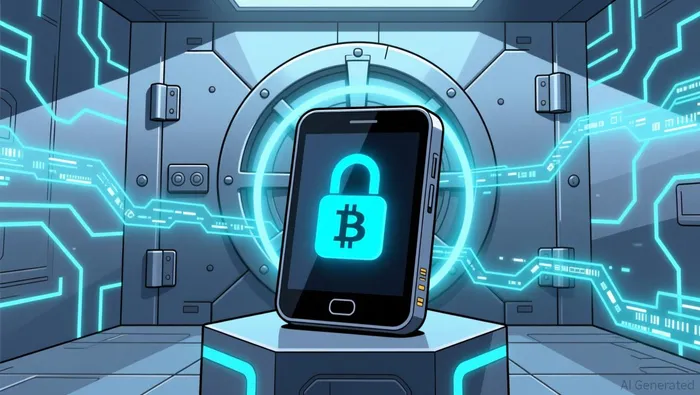
Cold storage solutions, such as hardware wallets and paper wallets, are widely recommended for long-term Bitcoin holders.
Hot wallets, while convenient for active traders, pose greater security risks due to their internet connectivity.
Investors are advised to back up recovery phrases and private keys in secure, offline locations and to avoid sharing them with anyone.
Security best practices extend beyond initial storage, including enabling two-factor authentication on all crypto-related accounts and being cautious of phishing attempts.
Periodic review of security protocols and updates to backup systems are essential for maintaining long-term safety in the crypto space.
For those who prefer not to manage their own wallets, spot crypto ETFs offer a hands-off investment approach with minimal direct storage responsibility.
How Are Investors Navigating the Evolving Crypto Market in 2026?
Investors are increasingly relying on a mix of news sources, on-chain analytics, and educational platforms to make informed decisions.
Mainstream outlets such as CoinDesk and The Block provide in-depth coverage of market trends and regulatory developments, while tools like Glassnode and CryptoQuant offer data-backed insights.
In addition, platforms like Mastercard have expanded their integration of blockchain by launching the Crypto Partner Program, aiming to bridge traditional and digital payment systems.
The integration of blockchain technology into mainstream commerce is accelerating, with companies like Circle and Mastercard collaborating to enhance financial infrastructure .
Circle’s development of its own blockchain, Arc, aims to make blockchain-based payments more accessible and scalable .
Stablecoins, such as USDC, are increasingly used for cross-border transactions and as a store of value in regions with unstable fiat currencies .
Despite the growing infrastructure, volatility and regulatory uncertainty remain key challenges for investors in 2026.
Market participants are advised to stay informed and to adopt strategies such as dollar-cost averaging to mitigate the risks associated with price swings.
Ultimately, the crypto market continues to evolve, offering both opportunities and challenges for investors navigating this rapidly changing landscape.

Blending traditional trading wisdom with cutting-edge cryptocurrency insights.
Latest Articles
Stay ahead of the market.
Get curated U.S. market news, insights and key dates delivered to your inbox.


AInvest
PRO
AInvest
PRO



Comments
No comments yet